Дети войны

Подростковая агрессия не прекращается: очередной инцидент в Киеве и Ровно

Recently, Ukraine is facing an alarming trend — the level of teenage aggression during the war is increasing even more, and cases of brutal beatings among children are becoming more and more frequent. Instead of decreasing, violence among minors continues to spread, taking on new forms. Social media is filled with videos of teenagers bullying their peers, and the community that watches these incidents remains divided between outrage and indifference.

Another incidents in Kyiv and Rivne

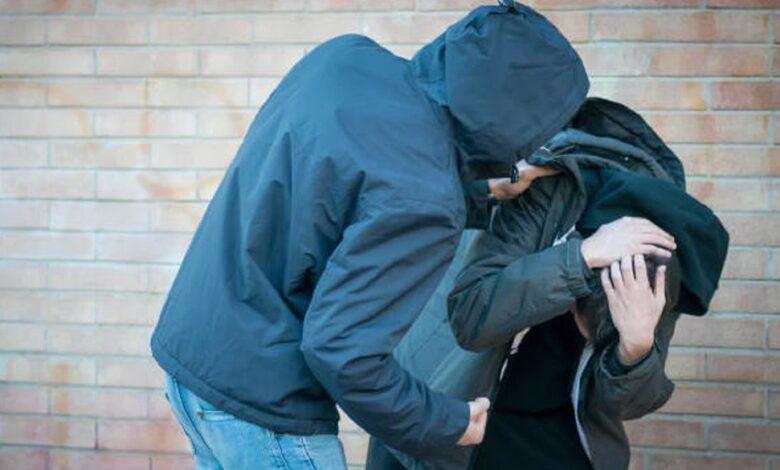
Another incident took place in the Obolon district of Kyiv, where a group of masked teenagers attacked a boy, beat him with their feet and a chain, and then stole his phone. This became known during the monitoring of social networks by the police, the report says Kyiv police.

According to preliminary information, the attackers set up an ambush using a dating site. They created a fake profile pretending to be a girl and asked a guy out. When the victim arrived at the designated place, a group of aggressive teenagers were waiting for her, who immediately resorted to physical violence. First they kicked him, then used a metal chain to reinforce the blows.

After the abuse, the attackers not only did not hide their actions, but also flaunted them on social networks, posting videos of the beating and flaunting the theft of the victim’s phone.

The Kyiv police have already registered the fact of the attack and started checking the circumstances of the crime. However, the law enforcement officers noted that no statements were received from the victim or witnesses of the incident. This raises another pressing question – why do victims and their families avoid contacting law enforcement? Are they afraid of reprisals from the attackers, or do they simply not believe in justice and protection of the law?

ПОСМОТРИТЕ ЕЩЕ:  Дети войны перед экранами: почему смартфон до 13 лет является риском для психических расстройств

At the same time, conflicts between schoolchildren took place in Rivne, which turned into violent fights. The incidents happened at two lyceums in the city at once, which caused concern among parents and teachers.

According to the publication Radio Track, which refers to its own sources, the participants in the conflict were students of the 8th and 9th grades. As a result of the clashes, several schoolchildren were injured, and some of them had to seek medical attention. One of the victims was so seriously injured that doctors suspect a fractured jaw.

The police are currently refraining from commenting on this incident, and the educational institutions have not yet expressed an official position regarding the situation. The reasons for the conflicts remain unknown, but such cases once again raise questions about the level of security in schools and the need to strengthen work with teenagers to prevent aggression.

A dangerous trend: what to do

The increase in violence among teenagers requires decisive action from both law enforcement agencies and society as a whole. Ignoring the problem will lead to a further increase in aggression among young people, turning the streets into a dangerous zone for teenagers who do not fit into aggressive groups.

  1. Parents and teachers need to strengthen control over how teenagers spend their free time, who they communicate with and what trends exist in their environment. Schools should pay more attention to preventive work and involve psychologists to work with problem teenagers.
  2. Attackers must bear real responsibility for their actions. The state should implement stricter measures for those who commit violence, even if they are minors.
  3.  Teenagers who take part in such attacks are often brought up in an environment of violence themselves. Work with dysfunctional families and aggressive youth should become a priority for social services.
  4. It is important to create mechanisms that would guarantee the safety of victims after contacting law enforcement agencies. Fear of revenge often keeps victims silent.
ПОСМОТРИТЕ ЕЩЕ:  The war fundamentally changed the lives of millions of Ukrainian children. Those who went to school carefree a few years ago are now forced to live in conditions of constant danger. Sirens, explosions, shelling, evacuation, loss of relatives and homes - this is a cruel reality in which a new generation of Ukrainians is growing up. The war forced children to grow up quickly, but at the same time it posed a new challenge to society: how to give them the necessary knowledge and skills so that they could survive, not lose faith in the future and have the opportunity to develop? Education in wartime is not just schooling. This is an opportunity to prepare children for dangers, teach them to react correctly in extreme situations, help them maintain psychological balance. After all, even the simplest knowledge about how to behave during an air raid or what to do when explosive objects are detected can save lives. An important step in this direction was the launch of the educational series "How to act in emergency situations", which recently appeared on the "Action.Education" platform. She reported about it DSNS press office. This course, created at the initiative of the State Emergency Service of Ukraine with the support of the Ministry of Digital Transformation and UNICEF, aims to teach children, parents and youth algorithms for actions in dangerous situations. What is the educational series "How to act in emergency situations" This series consists of six episodes, each of which is devoted to a different type of danger. Based on real situations, the Ukrainian family faces challenges that can happen at any moment. They are forced to act quickly, make the right decisions and stay calm. Among the main topics of the series are: Fires: what to do in case of a fire in a house or public place, how to use a fire extinguisher, what items should not be used during a fire. Danger on the water and in the mountains: what to do if you are caught in a storm, fall under the ice or get lost in the forest? Chemical and radiation threats: how to protect yourself and your family during accidents at chemical plants or in case of enemy use of poisonous substances? Dangers of war: how to act during shelling, what to do in case of detection of explosive objects, how to organize shelter at home? Medical safety: how to provide first aid to yourself or others, what to do in case of poisoning or injury? Psychological resilience: how to overcome panic, cope with anxiety and help children feel safe even in difficult conditions? The series does not just talk about dangers - it provides clear algorithms for actions in each situation. Thanks to the interactive format, viewers can learn to use the acquired knowledge in practice. The series can be viewed on the "Diya.Osvita" platform. Each episode is accompanied by practical tasks and useful materials that help consolidate the acquired knowledge. Users who complete all series and complete interactive tasks will receive certificates of basic emergency preparedness. This is not just a formal document, but confirmation that a person has the necessary knowledge to act in critical conditions. The importance of children's safety in wartime The war made the safety of children a top priority for Ukrainian society. Many children have already lost their homes, survived rocket attacks, witnessed violence or become orphans. In such conditions, they are particularly vulnerable to threats, and their psychological stability is severely tested. One of the greatest dangers to children is explosives. After hostilities, Ukrainian cities and villages remain littered with mines, cluster munitions and unexploded shells. Children who do not understand the dangers may accidentally find them, which can lead to tragedy. That is why the series pays special attention to how to recognize and avoid such threats. Airborne alarms and shelters are another important topic. Children should know how to act during an alarm signal, where safe places are, how to properly hide in shelters, and what to do if shelling catches you by surprise. Psychological support is also extremely important. The series talks about self-soothing techniques that help reduce anxiety, how parents can support children in stressful situations, what to do if a child begins to feel panic or fear. According to Andrii Danyk, head of the State Emergency Service, today the skills of safe behavior are not just desirable, but vitally necessary. In the conditions of war, every second can become decisive, and the right actions can save lives. This course helps to create a culture of safety among children and adults, prepare them for any challenges and make them stronger. Today, Ukraine is not just defending itself — it is creating the basis for the future, where security and knowledge will be the key to a life without fear. Children of war are a generation that will never be the same again. Now it is extremely necessary to give them knowledge that will help them not only to survive, but also to build a future.

Violent attacks on teenagers are becoming more and more common, and society risks getting used to such cases as something everyday. However, ignoring the problem or putting it off will only make the situation worse. Law enforcement agencies, schools, parents, and teenagers themselves must recognize the seriousness of teen violence and join forces to eradicate it. If society turns a blind eye to such crimes, any child could become the next victim tomorrow.


Добавить комментарий

Ваш адрес email не будет опубликован. Обязательные поля помечены *

Похожие статьи

Вернуться к началу