ЕС и мир

Великобритания ввела санкции против РФ за использование химического оружия

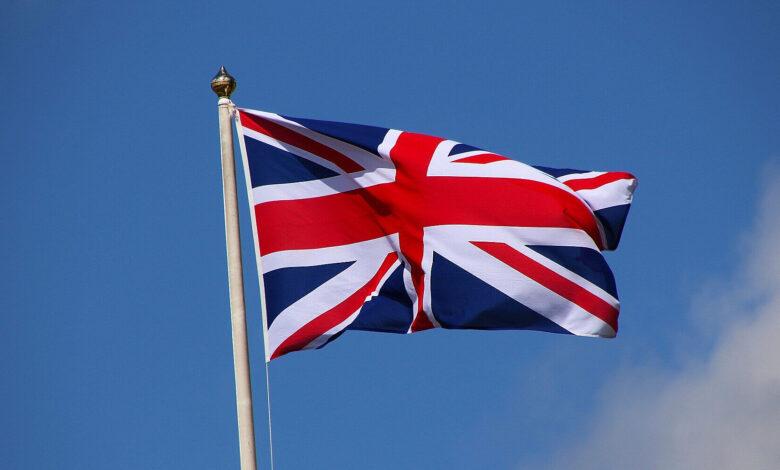
Правительство Великобритании объявило о введении новых санкций против России в ответ на использование химического оружия в войне против Украины. Об этом сообщается на официальном сайте британского правительства.

Санкции были наложены на Российский научно-исследовательский институт прикладной химии, а также на двух чиновников: начальника войск радиационной, химической и биологической защиты (РХБЗ) генерал-майора Алексея Ртищева и его заместителя Андрея Марченко. В ограничения входит запрет на въезд в Великобританию и замораживание их активов. Правительство указало, что основанием для применения санкций стала деятельность, связанная с использованием химического оружия.

Это уже не первый подобный шаг Лондона. Еще в октябре прошлого года Великобритания впервые ввела санкции против России за применение химического оружия на украинском фронте. Генеральный штаб ВСУ неоднократно отмечал, что действия России грубо нарушают нормы ведения войны и игнорируют положения Конвенции о запрещении разработки, производства, накопления и применения химического оружия, а также обязательства по его уничтожению.

Ранее издание France24 обнародовало расследование, посвященное использованию Россией хлорпикрина — токсичного газа, вызывающего слезоточивость и удушье. Его использование запрещено международным законодательством. В комментарии изданию эксперт по токсикологии Университета Гартфордшира Роб Чилкотт напомнил, что хлорпикрин впервые применили россияне еще во время Первой мировой войны в 1916 году, и уже впоследствии его использовали французские и германские войска. Газ использовали для того, чтобы заставить солдат снять противогазы, после чего запускали по ним более опасное химическое оружие — иприт.

 

ПОСМОТРИТЕ ЕЩЕ:  US President Donald Trump has announced tariffs on almost all goods imported into the United States, as well as higher tariffs for dozens of countries with the largest trade deficits with the US. That's what he's about reported during a speech at the "Make America Rich Again" event. Under the new trade policy, a base tariff of 10% is imposed on all imports from all countries except those that meet the terms of the USMCA, the free trade agreement between the United States, Canada and Mexico. For goods not covered by this agreement, the tariff will remain at the level of 25%. Importers will start paying the basic duty from Saturday, March 5. The increased tariffs for various countries will come into effect on April 9. The list of goods on which the USA imposed a 10% tariff includes products from Ukraine. At the same time, Russia is not mentioned in the list. US Treasury Secretary Scott Bessent explained it this way: Russia is not included because the United States does not trade with that country due to current sanctions. The full list of tariff rates proposed by the Trump administration, published on the official account of the White House. The list includes 140 countries. For about 40 of them, an increased duty is provided, for others - a basic tariff of 10%. The duty on Chinese goods will be 34%, on products from the European Union - 20%. "If they're complaining, if you want your tariff rate to be zero, then you build your product right here in America, because there's no tariff if you build your factory, your product in America. And we've seen companies come in that we've never seen before." Trump emphasized. In the circulated White House Bulletin is noted, that a national emergency was declared due to the situation in foreign trade and the economy. In this regard, the president issued an order to impose tariffs in order to strengthen the country's international economic position and protect US workers. Reciprocal tariffs will remain in place until President Trump recognizes that the threat posed by the trade deficit and uneven playing field has been eliminated or reduced, it said. Certain categories of goods are not subject to reciprocal duties. These are steel and aluminum, cars and spare parts, which are already subject to customs duties. Also not included are copper, pharmaceuticals, semiconductors, timber, bullion gold, energy resources and other minerals not available in the US. Canada and Mexico are not included in the list of countries subject to reciprocal tariffs. For these two countries, previously introduced tariffs, in particular on fentanyl and migration, remain in force. This means that goods from Canada and Mexico that do not meet USMCA requirements will continue to face a 25% tariff. A 10% duty has been imposed on energy carriers and potash fertilizers from these countries.

Добавить комментарий

Ваш адрес email не будет опубликован. Обязательные поля помечены *

Похожие статьи

Вернуться к началу