Экономические

Реестр счетов граждан: первый шаг к цифровой прозрачности или новый инструмент надзора? (продолжение)

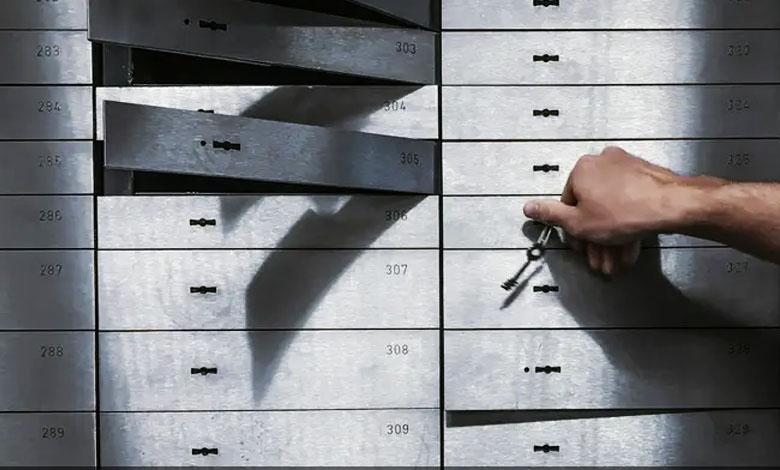
ИА «ФАКТ» начало разговор о том, что Кабмин утвердил законопроект о создании реестра банковских счетов и сейфов физлиц, которым предусмотрена автоматическая передача банками в налоговую факты открытия или закрытия счета, без данных о суммах или движении средств. Цель – адаптация к стандартам ЕС и СЕПА.

Однако пока не прописано, кто будет иметь доступ к данным и как будут защищать конфиденциальность. Есть риск злоупотреблений, поскольку через электронное взаимодействие реестр может стать доступным силовым органам, а технические гарантии безопасности и ответственность за истоки не детализированы.

Также правительство планирует создать реестр настоящих владельцев компаний и трастов, определить статус так называемых обличителей и обновить санкции за сокрытие бенефициаров. Инициативу представляют как антикоррупционную, однако критики предостерегают: без прозрачного регламента доступа и независимого аудита это может превратиться в инструмент контроля и давления, а не прозрачности.

Когда государство заглядывает в ваш кошелек: риски для налогоплательщиков в свете нового реестра банковских счетов

​Сейчас налоговая уже имеет право без суда списывать деньги с банковских счетов, если человек сам задекларировал налоги, но не заплатил их в течение 90 дней после установленного срока. Во всех остальных случаях, в частности, для блокирования счета требуется решение суда.

Когда у налоговой появится больше информации о счетах граждан и компаний, она сможет легче находить тех, кто не платит налоги. Это означает, что количество проверок может возрасти. Уже после возобновления проверок в 2023 году таких случаев стало гораздо больше.

Из-за усиленного контроля многие люди могут начать волноваться, что их финансовые данные будут не защищены. Это может снизить доверие к банкам – и люди начнут хранить деньги не в банках, а под подушкой. Исследование показало, что налоговая служба полностью доверяют менее 8% людей, а почти половина вообще не доверяет.

Кто будет контролировать контроль

Пока не ясно, что думают об идее создания Реестра ключевые игроки: банки, Нацбанк, депутаты, бизнес-ассоциации и омбудсмен по защите персональных данных.

Пока нет официальных заявлений, которые показали, что эта инициатива действительно согласована со всеми стейкхолдерами. Банки и НБУ обычно выступают за прозрачность, но только тогда, когда есть четкие правила игры, кто и когда имеет доступ к финансовым данным людей. Они неоднократно отмечали: без гарантий безопасности и сохранения конфиденциальности никаких решений принимать нельзя.

ПОСМОТРИТЕ ЕЩЕ:  Today is the United States raised tariffs on imports from China, Canada and Mexico. This decision of Donald Trump is not just another episode of the trade war, but a symptomatic manifestation of his political style. He, as before, acts according to the logic of confrontation, passing off his economic experiments as "protection of national interests". Now imports from Canada and Mexico taxed With a 25 percent tariff, only energy carriers from Canada are subject to a 10 percent tariff. Chinese imports received 20 percent tariffs, which effectively means further escalation of international trade tensions. Canada and Mexico respond to Washington with tough countermeasures Washington's official explanation sounds familiar - they say that economic partners have failed to deal with drug trafficking. But, as always with Trump, the real motivation has nothing to do with formal statements. In fact, this is a purely political move aimed at an internal audience. Justin Trudeau, whom Trump would rather see as the governor of the 51st US state than as the prime minister of a neighboring state, reacted instantly, calling Washington's actions baseless and announcing countermeasures. Government of Canada responds to trade pressure from the US with tough tariffs and possible restrictions on American companies. After imposing a 25% tariff on 30 billion Canadian dollars worth of US imports, Ottawa is warning that if Washington does not reconsider its decisions, there will be another blow in three weeks with additional tariffs of 125 billion. The blow will be aimed at the auto industry, metallurgy and other strategic industries. Justin Trudeau made it clear: Canada will not budge until the US lifts its restrictions. The provinces are already considering appropriate measures - in particular, the exclusion of American companies from government tenders and possible restrictions on the export of critical resources, in particular nickel. Doug Ford, Premier of Ontario, yes reacted on Trump's tariffs against Canada: "If they want to destroy Ontario, I'll cut off their power - and I'll do it with a smile on my face." In addition to economic sanctions, border controls are being strengthened, especially in the fight against fentanyl smuggling. Against the background of the escalation of the conflict, Ottawa is negotiating with the US administration and representatives of individual states, trying to find a compromise. But if the White House does not change course, Canada is ready for a mirror reaction. Mexico will also not be silent in the face of economic pressure from Washington. President Claudia Sheinbaum is clear stated: if the US is playing a tariff war, the response will be immediate. She emphasized that the introduction of a 25% tariff on Mexican goods is not only an economic blow, but also a threat to stable relations between neighboring countries. Mexico is not going to passively watch as American trade barriers make life difficult for Mexican producers. According to Sheinbaum, the country prepares mirror measures. American pork, cheese, vegetables, as well as steel and aluminum may be affected. The decision was made in the spirit of a fair response: if the US screws up, Mexico will respond in kind. At the same time, the president does not reject the possibility of dialogue. She calls for negotiations, stressing that escalation hurts both countries. However, if the White House chooses the path of economic pressure, Mexico will show that it is not the weak link in this game. China responds with tariffs, sanctions and a new economic reality for the US ​In response to Trump's introduction of additional tariffs on goods from China, Beijing chose a cautious and strategically balanced tactic that demonstrates China's desire to avoid an escalation of the conflict, while protecting its economic interests and signaling its readiness to act further if necessary.​ The agricultural sector of the United States will feel the consequences of the trade conflict, which Washington itself instigated. After all, since March 10, the People's Republic of China will enter additional tariffs of 10-15% on American chicken, wheat, corn and cotton, 10% on soybeans, beef, pork, fish, vegetables, fruits and dairy products. In addition, Beijing started the antitrust investigation against the American corporation Google, which shows that China is ready to do anything to protect its interests. ​ Also, to the blacklist got into 10 more American companies - TCOM, Stick Rudder Enterprises, Teledyne Brown Engineering, Huntington Ingalls Industries, S3 AeroDefense, Cubic Corp., TextOre, ACT1 Federal, Exovera and Planate Management Group. They are prohibited from engaging in China-oriented imports or exports and from investing in the Celestial economy. And Illumina, a manufacturer of genomic equipment, was banned from operating in China and exporting genomic sequencers to China. These developments may spur the growth of domestic production in China. Less dependence on imports means a stronger economy. Washington, used to dictating the rules of the game, finds itself in front of a new reality: its pressure methods fail, and the world no longer perceives it as an undisputed arbiter. The problem of drug trafficking as a justification for introducing tariffs The Trump administration announced on increasing tariffs on "Made in China" goods to 20% due to the problem of smuggling synthetic opioids, in particular fentanyl, from the PRC to the United States. Trump slightly changed the previous order of February 1, which imposed a 10% tariff on products from the Middle East. The US president explained that the tariffs were doubled because Beijing did not make efforts to stop the supply of fentanyl. US President substantiated the introduction of 25 percent tariffs on goods from Canada and Mexico, as well as the need to fight drug trafficking, in particular, the supply of fentanyl to the United States. However, this argument is questionable, especially with regard to Canada, which is not a major source of drugs for the US. Canadian Prime Minister Trudeau called the actions of the US "unfounded" and stressed that Canada will not leave them unanswered. ​ Some analysts believe that the real purpose of introducing tariffs is economic pressure on neighboring countries and a demonstration of force by the "global policeman". This could be an attempt to force Canada and Mexico to make concessions on other trade issues or to redistribute production flows in favor of the American economy.​ Critics point out that such actions undermine the credibility of the US as a reliable partner in international agreements. The introduction of these duties is not easy creates economic difficulties are an open challenge to the global rules of the game. Not only Trudeau criticized the American administration, but also hinted that Trump's actions are undermining the agreements he signed, in particular USMCA – the trade agreement between the USA, Canada and Mexico, which it replaced NAFTA. USMCA was the result of long negotiations and aimed to strengthen economic ties between the three countries of North America. However, Trump's customs policy contradicts the spirit of this agreement, undermining the credibility of the US as a reliable partner. Washington, which advocated free trade, is now violating its own principles, provoking chaos and unpredictability in the world economy. Reaction of American business Trump's imposition of tariffs on goods from China, Canada and Mexico has raised concerns among American companies, especially import-dependent businesses. The American economy is once again feeling the breath of an inflationary storm. February data of the index of business activity in the manufacturing sector (ISM Manufacturing Index) witnessed a jump in inflationary expectations. Suppliers are increasingly complaining about tariffs that catalyze price increases. Meanwhile, Americans' consumer optimism is waning, with confidence falling to an eight-month low and inflation worries growing. ​ Big tech giants so far remain silent before the threat of new tariffs. Apple, Google, Microsoft, Meta, Nintendo, Samsung, Sony and Nvidia have been slow to make public statements, although the potential hit to their businesses is clear. Only Google and Microsoft have publicly declined to comment, while others prefer to wait and see how things unfold. Concern over trade barriers is growing, and so are industry groups do not hide your concern. Jason Oxman, president and CEO of the Information Technology Industry Council, called on the Trump administration to act with caution: reach constructive agreements with foreign partners, avoid restrictions that could weaken economic ties in North America, and ultimately eliminate tariffs after reaching compromise Business hopes for common sense, because the risk of economic shocks is becoming more and more real. The American Chamber of Commerce is also concerned about the introduction of blanket tariffs, which it considers harmful to American families and communities. They support targeted tariffs as part of global trade negotiations, but oppose blanket tariffs that could negatively impact the economy. Survey of the American Chamber of Commerce in the European Union showed, that 9 out of 10 American companies in Europe expect the deterioration of transatlantic economic relations. They are concerned about the possible impact of tariffs and trade policies on their operations. ​ At the same time, Bank of America CEO Brian Moynihan appreciated Trump's economic policy is positive, considering it favorable for business. He noted that tariffs up to 10-15% will not significantly affect the economy or inflation. ​ However, according to experts, measures aimed at reducing the trade deficit and stimulating domestic production can have unforeseen consequences for the US economy. Joint European opposition to American protectionism The US is igniting a new trade war, and Europe is ready to fight back. The head of the European Commission, Ursula von der Leyen does not hide frustration and determination: Brussels will not accept unjustified tariffs in silence. The EU will not allow Washington to dictate terms and strike European producers, workers and consumers. A blow to American business - this is what awaits the United States if it insists on its restrictions. The EU is considering the possibility of introducing appropriate tariffs on such iconic products for America as whiskey, jeans and motorcycles. To protect their economic interests, countries can resort to expanding sanctions and introducing non-tariff restrictions - quotas, licensing or technical barriers. This could reduce international trade and deepen economic tensions. ​ Besides, Brussels prepares a legal counteroffensive at the World Trade Organization, where US decisions could be declared illegal. Consideration of such cases may be lengthy, but it will provide an opportunity to formally challenge US actions at the international level and create appropriate precedents.​ Some countries, including South Korea, can pay preference for negotiations to reach a compromise with the USA. They will hope to review existing trade agreements or conclude new agreements that take into account mutual interests.​ Some countries may choose to take a tougher stance, imposing mirror tariffs and other restrictions on American goods. This could escalate the conflict and negatively impact global supply chains, investment activity and economic growth. ... Trade wars are not easy slow down the world economy - they destroy trust, destabilize business and hit the pockets of consumers. In the end, the biggest victims of this policy, as usual, will not be governments, but ordinary citizens. According to calculations by the Peterson Institute, American families will lose more than $1,200 a year due to higher prices. But Trump doesn't get away with it. His goal is not real economic change, but a spectacular demonstration of power that is well received by his voters. And if this means destroying economic ties built up over decades, he will do it without hesitation. Tariff hikes drive up prices, weaken purchasing power, deter investment and disrupt global supply chains. When the US imposes restrictions against Canada, Mexico or China, it reverberates far beyond its borders: the loss of partner reliability forces the affected countries to look for new opportunities, strengthen cooperation and build alternative economic routes. Canada is intensifying trade with Europe and Asia, China is accelerating the implementation of the "One Belt, One Road" initiative by laying new trade corridors. And in the end, those who tried to dictate the terms risk finding themselves in a situation where they no longer determine the rules of the game. Tetyana Viktorova

Депутаты финансового комитета Верховной Рады обычно поддерживают борьбу с теневыми деньгами, но и сами признают: слишком большая власть в руках фискалов может обернуться злоупотреблениями. А вот представители бизнеса – Европейская Бизнес Ассоциация, СУП, АЮУ – осторожно относятся к законопроектам, которые могут дать налоговой еще больше рычагов давления. Их главное опасение — непредсказуемость и риск «облав» на бизнес под предлогом «борьбы за прозрачность».

Наконец, тревожно выглядит молчание со стороны омбудсмена и учреждений, отвечающих за защиту персональных данных. По евростандартам, любое вмешательство в частную жизнь граждан должно быть тщательно обосновано, согласовано с правозащитниками и понятно обществу.

Иначе риск очевиден: люди могут потерять доверие к банкам, перейти в наличную тень и еще больше удалиться от государства. Если цель построить цивилизованную финансовую систему, то должен быть не только жесткий контроль, но и ответственность тех, кто контролирует. И прежде чем открывать ящик Пандоры, стоит спросить: готово ли государство к вызовам, которые само создает?

Будет ли переходный период и когда система заработает

Правительство пообещало, что Единый реестр банковских счетов заработает к середине 2027 года. Сначала нужно принять специальный закон, затем разработать программное обеспечение, провести тестирование и впоследствии официально запустить.

будет создана специальная рабочая группа из представителей налоговой, Минцифры, НБУ и других органов. Они должны разработать четкие инструкции для банков: что именно передавать в реестр и как это должно работать технически.
Пока что в проекте закона не предусмотрено, чтобы банки сообщали людям о передаче их данных в реестр. Но, поскольку речь идет о персональных данных, такая прозрачность важна: и общественность, и правозащитники могут этого требовать.

То есть, новая система не появится завтра — это процесс на несколько лет. Но уже сейчас важно обсуждать, как она будет работать, кто получит доступ к данным и будут ли об этом знать обычные банковские клиенты.

Кто такие обличители и что они могут изменить

Представьте, что вы работаете в компании или госучреждении и видите, что там скрывают настоящего владельца бизнеса или проводят «серые» операции. Вы сообщаете об этом – и таким образом становитесь обличителем. Но не каждый человек, что-то увидевший и написавший пост в Facebook, получит официальный статус. Закон требует нескольких условий: вы должны знать информацию изнутри — по работе или обязанностям и иметь обоснованную уверенность, что это правда. Об этом четко сказано в материалах НАПК и памятках судебной власти.

ПОСМОТРИТЕ ЕЩЕ:  Между долгами и реформами: на чем базируется экономика Украины

Человек, официально сообщающий о коррупции или сокрытии бенефициаров, имеет право на конфиденциальность, защиту от увольнения или преследования — работодатель не имеет права вас уволить или наказать за то, что вы сообщили правду, безвозмездную правовую помощь в случае давления или судов. А также вознаграждение, если государство благодаря вам вернет деньги, вам могут выплатить до 10% от суммы, но не больше трех тысяч минимальных зарплат.
В вопросе разоблачения скрытых бенефициаров обличители могут стать ключевыми героями: именно они могут дать старт антикоррупционным расследованиям и разоблачить теневую собственность. Но чтобы люди не боялись сообщать о таких вещах, им нужна реальная поддержка, а не только закон «на бумаге».

Если государство действительно хочет искоренить «слепые зоны» в финансовой системе, оно должно не только вводить реестры, но и поддерживать тех, кто решается говорить правду. И здесь каждое положение о защите обличителей не просто формальность, а гарантия того, что справедливость не обернется против того, кто ее ищет.

Как защитить свои банковские данные, если что-то пошло не так

Когда в Украине заработает Единый реестр банковских счетов, возникает вопрос: а что будет, если кто-то незаконно воспользуется моими данными? Узнаю ли я, кто просматривал мои счета? Смогу ли что-нибудь обжаловать?

Да, сможете. Закон Украины «О защите персональных данных» гарантирует вам или право. И хотя о самом реестре еще нет отдельных инструкций, основные механизмы защиты уже прописаны. Вы имеете право узнать, какие персональные данные хранятся о вас, кто их обрабатывает, с какой целью это делается и кому еще эти данные могли быть переданы.

Если вы заподозрили, что ваши данные использовали неправомерно (например, налоговая получила доступ без оснований или передали не тому, кому нужно), вы можете подать письменное требование в учреждение с просьбой объяснить или прекратить обработку ваших данных, обратиться к Омбудсману с жалобой или подать в суд, если ничего не помогло.

Пока не ясно, будет ли в реестре банковских счетов функция, которая позволит человеку самостоятельно проверить, кто и когда просматривал его информацию. Такая функция действует, например, в некоторых электронных медицинских системах и вполне логично было бы ее внедрить здесь. Но для этого нужно, чтобы закон прямо это предусмотрел. Общественность и правозащитники точно этого потребуют.

Вы имеете право знать, какие данные о вас хранятся, кто их видит, и требовать исправить или удалить эти данные, если они используются без вашего разрешения. Если никто не реагирует, следует обратиться к Омбудсману или суду. Закон на вашей стороне.

Татьяна Викторовна


Добавить комментарий

Ваш адрес email не будет опубликован. Обязательные поля помечены *

Похожие статьи

Вернуться к началу