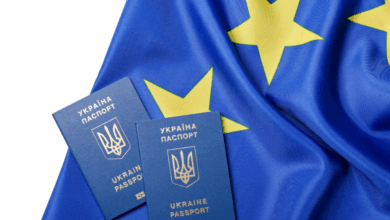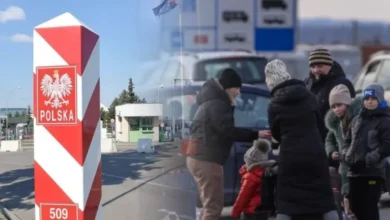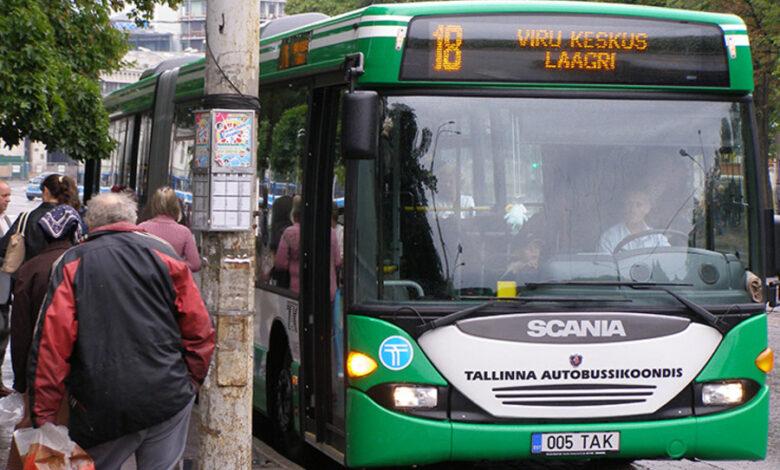
In 2022, when Ukrainians were leaving the war-torn cities en masse, Tallinn became one of the first European cities to open its doors not only for reception, but also for support. The capital of Estonia introduced a number of urgent social solutions for people who arrived from Ukraine, including the right to free travel in public transport. At that time, it was not something formal or bureaucratic — thousands of people sought temporary shelter, without yet having either a status, an action plan, or even the resources for basic things. Conventionally, a «free bus ride» often meant being able to get to a shelter, hospital, aid station, or just a temporary home. The Tallinn authorities emphasized at the time: this was a gesture of support, not an administrative concession. In a conversation with the Estonian publication ERR, Vice Mayor Andrii Novikov directly stated that the city wants to make the stay of forced migrants as comfortable as possible.
But from May 1, 2025, this right will be abolished. Free travel in transport will no longer be available to those Ukrainians who are not registered residents of Tallinn. Conditions have changed, and the city has revised its humanitarian initiative.
What exactly changes
According to a new resolution of the Tallinn City Council, from May 1, the right to free use of public transport in the capital of Estonia will be preserved only for registered residents of the city. Those Ukrainians who live in Tallinn, but still do not have official registration, will lose their right to free travel. It is reported ERR.
This applies to buses, trams and trolleybuses, which are used every day not only by locals, but also by forced migrants who have stayed in the city for more than two years.
The explanatory note to the document states that the majority of Ukrainians who live in Tallinn permanently have already completed the relevant registration. And therefore, they automatically received the right to discounted travel on general terms. Based on this, the authorities consider it expedient to cancel the special order adopted for Ukrainian refugees separately in 2022.
Why did they decide that?
The authorities’ argumentation sounds rational: the status of Ukrainians in the city has changed. They are no longer emergency evacuees in need of immediate adaptation assistance. The majority have residence permits, a registered place of residence, children in schools, a job, and a stable life.
The city does not close their access to benefits — it only cancels the parallel right if the person is not officially registered. If a Ukrainian lives in Tallinn and wants to continue using free transport, he needs to go through the standard procedure for registering his place of residence, which applies to all residents of Estonia.
The decision also adds a time buffer: the changes will only take effect from May 1, so that people can familiarize themselves with them and, if necessary, have time to redo their status.
How will it affect the Ukrainian community
On the one hand, the changes seem logical — Tallinn actually integrates Ukrainians into the system of general rules, giving them the same rights and the same obligations as other citizens. On the other hand, part of the refugees remains in a situation of instability: without a long-term lease, with difficulties with registration, temporary employment or staying with friends. For them, this change can become a tangible limitation — especially if the income is minimal or if there are several children in the family.
In practice, this means: Ukrainians without registration will have to pay for travel in public transport on general grounds. An alternative is to register officially in the city.
Does this mean a change in attitude?
Formally, no. The city government did not make any anti-migration or restrictive statements. It is exclusively about the regulation of legal status. Ukrainians in Estonia still have broad social guarantees: from access to medicine and education to the right to work, protection and integration programs.
However, the cancellation of the special benefits regime is a signal. Not about rejection, but about transition: from extraordinary support to long-term integration. And this is a new stage both for the Ukrainians themselves and for the Estonian society, which for the third year in a row lives next to the citizens of Ukraine not as guests, but as full-fledged co-residents.