How to safely cross the border with a child in the summer: practical tips for parents

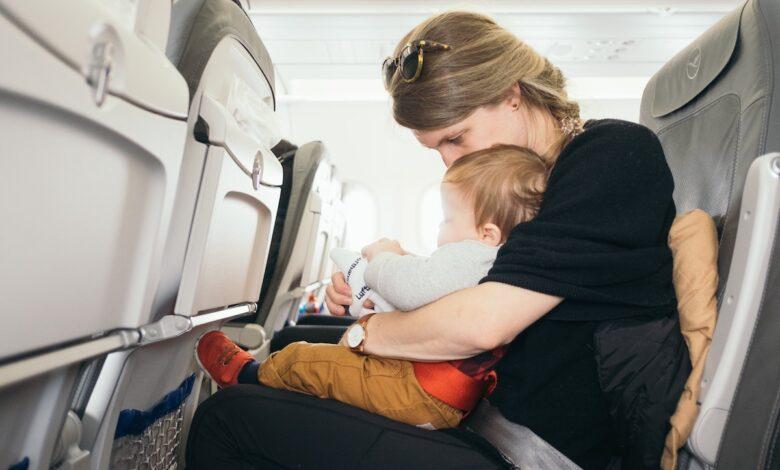
With the beginning of summer in Ukraine, the number of family vacations and trips abroad traditionally increases. Summer vacations, trips to relatives, participation in camps, medical programs or simply a desire to change the difficult situation in the country — all this prompts parents to plan a trip with their children. This became especially relevant during the war: many families seek to at least temporarily take their child to safer conditions. But crossing the border with minors has a number of legal nuances. To avoid unforeseen difficulties and delays, it is worth checking all documents in advance and familiarizing yourself with the rules that apply at checkpoints.
Documents for the child: what you need to have with you
The most important thing is a valid biometric foreign passport of the child. This is the only document that allows you to cross the border alone or accompanied. For children under the age of 16, in addition to a foreign passport, border guards may also require a birth certificate, especially if the child is traveling with a relative – a grandparent, brother or sister.
If the child is traveling with one of the parents, the second’s consent is not required. But you must have documents that confirm the family connection. If the child is accompanied by a third person – an acquaintance, coach, teacher or simply an authorized person – the notarized consent of one of the parents is mandatory.
In case of the death of one of the parents, deprivation of his parental rights or other non-standard situations, it is necessary to provide relevant official documents – extracts from the RAC, court decisions, etc.
Men’s accompaniment: Do restrictions affect mobilization
When planning a trip abroad with a child, you should pay particular attention to situations where the accompanying person is a man of military age. Even if his main purpose is to accompany a minor child, this is not an automatic reason for crossing the state border.
According to the current law, men between the ages of 18 and 60 who do not have an official right to a deferment or are not included in the list of categories exempted from mobilization can be refused a border crossing. This rule applies regardless of whether such a person is accompanying their own child or the child of another relative.
Therefore, before the trip, it is important to:
- Check whether the man has official documents confirming his right to leave — for example, a certificate of unfitness for service, having many children (three or more children under the age of 18), guardianship or other exceptions provided by law.
- Familiarize yourself with the latest clarifications from the State Border Service of Ukraine, which are published on official resources, as the rules may change.
- In case of doubt, consult a lawyer or contact the hotline of the border service before departure, so as not to face a refusal directly at the checkpoint.
From a practical point of view, this means that in the absence of confirmed rights to leave, it is worth considering in advance an alternative option of accompaniment – by the mother, grandmother, adult sisters or other persons who are not subject to restrictions. This will help to avoid unforeseen situations and stress both for the child and for all the participants of the trip.
How to prepare for a trip with children: a basic list and tips
First of all, it is necessary to make sure that all documents – both of the child and the accompanying person – are valid and do not have expired dates. All references and certificates should be collected in a separate folder in order to quickly show them during border control. If the child is accompanied by third parties, have with him the notarized consent of one of the parents with a clearly stated route and purpose of the trip.
For a comfortable trip, children will need basic necessities: water, light food, napkins, necessary medicines, warm clothes or a blanket, as well as a favorite toy or book. This will help reduce nervousness during a long wait in line.
How to choose a checkpoint: congestion and electronic queue
Border guards predict that passenger traffic on the western border will increase by 40% in the summer, so the choice of crossing point is of particular importance. According to the latest data, the busiest points are Kraków and Shegyny. Rava-Ruska, Hrushiv, and Ugryniv have average intensity. The shortest queues are usually recorded in Nyzhankovychy and Smilnytsia – it is these border guards advise you to choose for traveling with children.
To avoid waiting hours, you should use the electronic queue system on the website echerha.gov.ua. It is valid for buses and is available at Hrushiv, Ugryniv, Smilnytsia, Nyzhankovychy, Rava-Ruska, Krakivets.
The best time to leave
One of the key factors affecting the comfort of traveling with children across the border is the correctly chosen time of departure. Especially in the summer, when the load at checkpoints increases many times, this aspect can determine not only the duration of the trip, but also the psychological state of the whole family.
According to the observations of border guards, the smallest accumulation of cars and buses is observed on weekdays, especially in the morning hours — from 6:00 to 9:00, as well as after 10:00 p.m., when the activity of travelers decreases. It is during these periods of time that the number of people at the checkpoints is the smallest, the queues are shorter, and the documents are checked more quickly.
This is especially important for families with children. Long stays in transport, exhausting waiting in the sun or in rainy weather, lack of access to toilets or food – all this creates additional stress. Choosing the right time of departure helps to avoid this, to reduce irritability in children, to avoid mood swings, problems with sleep or digestion on the road.
In addition, traveling during off-peak hours allows you to better plan your day: arrive at your destination in daylight, have time to settle in, prepare food, and arrange your life in a new place. This is important for families crossing the border with small children or people with special needs. So if you’re flexible with your schedule, choosing a weekday morning or late evening departure time will really reduce stress, save time, and make everyone feel safer and more confident on the road.
In the summer, border checkpoints work with increased workload. Therefore, strict adherence to the rules, timely verification of documents and advance planning of the route allow you to avoid unnecessary stress. This is especially important when it comes to children, for whom even a short trip can become a psychological challenge. Taking care of your safety and comfort in advance will allow you to focus on what’s most important: relaxing, recuperating, and being together during difficult times.