
March 13 is celebrated as World Sleep Day, World Riesling Day, K-9 Veterans Day, and Jewelry Day. The history of this day combines events from different eras — from medieval battles and discoveries in science to revolutions, tragedies, and important political decisions.
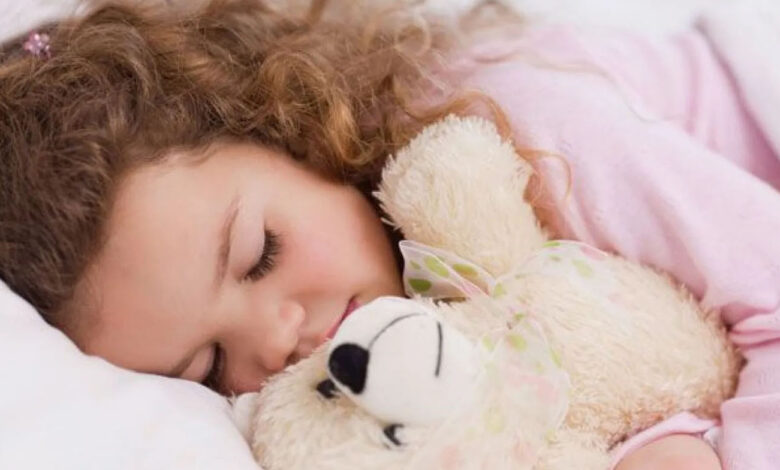
World Sleep Day
This day is celebrated every year on the Friday before the vernal equinox. The initiator was the International Association of Sleep Medicine, which draws attention to the importance of a good night’s rest for human health. The date changes every year, as it depends on the astronomical moment of the equinox. The day appeared in 2008 as a way to remind about the widespread sleep disorders, which are increasingly associated with the rhythm of modern life, information overload, and lack of regular rest.
Sleep is considered a basic biological need of the body. During a night’s rest, the nervous system is restored, hormonal balance is stabilized, and information received during the day is processed. Medical research shows that prolonged sleep deprivation is associated with an increased risk of cardiovascular disease, impaired concentration, and a weakened immune system. A regular sleep schedule and consistent bedtime are considered key factors in maintaining physical and mental health.
Interesting facts
On average, a person spends about a third of their life sleeping. If you live 75 years, about 25 of them are spent sleeping, and the deep sleep phases take up only a part of this time, but they are the most important for brain recovery.
During sleep, the so-called glymphatic system of the brain is activated – a network of channels through which metabolic products and proteins associated with neurodegenerative diseases are removed. Studies show that during deep sleep, brain tissue is cleansed much more intensively than during wakefulness.
The record for the longest voluntary wakefulness belongs to American schoolboy Randy Gardner, who in 1964 did not sleep for 264 hours, that is, more than 11 days. At the end of the experiment, he was observed to have serious disturbances in concentration, memory, and visual hallucinations.
Many animals have unusual forms of sleep. Dolphins and some species of whales sleep with only one hemisphere of the brain, while the other remains active to control breathing and movement in the water.
In Ukraine, scientists from the Oleksandr Bogomolets Institute of Physiology of the National Academy of Sciences of Ukraine are engaged in the study of biological rhythms and sleep. The work of Ukrainian neurophysiologists has helped to better understand the mechanisms of regulation of circadian rhythms and the interaction of sleep with the nervous system.
The longest continuous sleep among mammals is observed in bats, which can sleep up to 19–20 hours a day. Elephants, on the contrary, are among the animals with the shortest sleep and sometimes rest for only 2–3 hours.
The human brain remains very active during dreams. In the REM sleep phase, the activity of some of its areas is almost equal to the level of wakefulness, so dreams often have a complex plot and emotional coloring.
In medieval Europe, the so-called “split sleep” was widespread: people fell asleep after sunset, woke up in the middle of the night for one or two hours, did household chores or read, and then went to bed again until morning. This mode is described in numerous historical sources.
World Riesling Day
This holiday is dedicated to one of the most famous grape varieties in the world, from which white wines with a distinct aroma and high acidity are produced. The first official World Riesling Day was celebrated in 2019, when wine producers and connoisseurs decided to establish a separate date to popularize this variety. Riesling is particularly associated with the winemaking traditions of Central Europe, primarily Germany.
The Riesling grape variety is known for its ability to convey the characteristics of the soil and climate of the area where the grapes are grown. It produces various styles of wines, from dry and mineral to sweet dessert wines. Riesling is grown in many countries around the world, including Germany, France, Austria, Australia, and the United States. Due to its high acidity, wines from this variety can be stored for decades and change their aroma with age.
Interesting facts
The first documentary mention of the Riesling grape dates back to 1435. A record of the purchase of seedlings of this variety for the vineyards of the Katzenelnbogen county has been preserved in German archives.
Riesling is considered one of the grape varieties that best conveys the character of the local soil. In winemaking, this phenomenon is called terroir, and Riesling is often used as an example of how different soils can affect the taste of wine.
Ripe Riesling can acquire a characteristic aroma that resembles the smell of oil or kerosene. This effect is due to the natural aromatic compound TDN, which is formed during long-term storage of wine.
In some wine regions of Germany, Riesling is left on the vine until late autumn or even winter to produce sweet wines. The berries can freeze, and then they are used to produce the so-called “ice wine” – a concentrated dessert wine.
In the 19th century, German Riesling wines were considered some of the most expensive in the world. In British wine lists of the time, they sometimes cost more than many famous French wines.
Riesling grows well in cool climates, where grapes ripen slowly. That is why the most famous wine-growing regions for this variety are located in the north of the wine-growing zones of Europe.
In Ukraine, Riesling is grown in the wine-growing regions of the south, in particular in the Odessa region and Transcarpathia. This variety produces both dry and semi-dry white wines, which are gradually gaining popularity among Ukrainian winemakers.
K-9 Veterans Day
This day is dedicated to service dogs working in military, police and rescue units. It dates back to March 13, 1942, when the Army Canine Corps, known as K-9, was created in the United States. The initiator of the memorable date was Joe White, a former trainer of military service dogs, who proposed celebrating the contribution of these animals to the safety and rescue of people.
The first dogs of the corps appeared after the attack on Pearl Harbor, when the US Army began to actively use specially trained animals to perform various tasks. By the end of World War II, more than ten thousand dogs had already served in the units. They helped guard facilities, find explosives, transmit messages, search for the wounded and accompany soldiers in difficult conditions. Over time, the practice of using service dogs spread to many countries, where they are involved in police work, border services, rescue units and search operations.
Interesting facts
During World War II, service dogs performed dozens of different tasks. They were used as guards, scouts, medical assistants and messengers. Some dogs carried special bags with documents or medicines, moving between units where it was dangerous for people to pass.
One of the most famous US military dogs is a dog named Chip. During the Allied landing in Sicily in 1943, he attacked an enemy machine gun nest, forcing the soldiers to surrender. For this act, the dog was awarded medals, although they were later formally revoked due to the rules regarding awards for animals.
A service dog’s sense of smell is tens of thousands of times more sensitive than a human’s. Thanks to this, dogs are able to find even minimal traces of explosives, drugs or human odor, which can persist at the scene of an incident for many hours.
In many countries, service dogs enter a kind of “retirement” after completing their service. Often they are left to live with dog handlers with whom they have worked for many years, or are transferred to families where they are provided with peaceful living conditions.
In search and rescue operations, dogs are able to find people under the rubble after earthquakes or building collapses. There are known cases when dogs found survivors even several days after the disaster.
In Ukraine, service dogs work in units of the National Police, Border Guard Service, State Emergency Service and in the army. They are trained to search for explosives, weapons, narcotics, and also to assist in the search for people in an emergency zone.
Most often, breeds with a high level of endurance and intelligence are used for service. Among the most common are German and Belgian shepherds, Labrador retrievers and Dobermans, which are easy to train and can work in difficult conditions.
Jewelry Day
This holiday originated in the United States and gradually gained international popularity. It is dedicated to the beauty of precious stones, jewelry and the skill of their creation. Jewels have played an important role in the culture of different peoples for millennia, serving as decorations, status symbols, relics and memorable gifts.
The art of jewelry combines work with precious metals and stones, as well as complex processing techniques that have been formed over the centuries. Sapphires, rubies, emeralds and diamonds are considered the most valuable stones in the traditional classification, although there are many other minerals used in jewelry. In different historical periods, jewels could act as a sign of power, an element of religious rites or part of family treasures that were passed down from generation to generation.
Interesting facts
The world’s largest faceted diamond from those included in royal regalia is called “Cullinan I”. Its weight is over 530 carats, and it adorns the scepter of British monarchs. The stone was obtained from an even larger diamond weighing over 3,100 carats, found in South Africa at the beginning of the 20th century.
In ancient Egypt, emeralds were considered a symbol of eternal youth and fertility. Archaeologists found jewelry with these stones in the tombs of the pharaohs, and emerald deposits in the Eastern Desert of Egypt were developed more than two thousand years ago.
Diamonds are formed approximately 150–200 kilometers below the Earth’s surface under extremely high pressure and temperature. Most diamonds used in jewelry today are over one billion years old.
In Kievan Rus, jewelry was made using sophisticated scania and grain techniques. Archaeologists have found silver and gold jewelry with very delicate ornaments created by Kievan craftsmen as early as the 10th–12th centuries.
Rubies and sapphires are varieties of the same mineral, corundum. The difference between them lies in the impurities of chemical elements: chromium gives the stone its red color, while iron and titanium create blue shades of sapphires.
In medieval Europe, jewelry was often kept not only as jewelry, but also as a kind of financial reserves. The stones were easily transported, had high value, and could be used to pay for large transactions.
Ukraine is home to deposits of amber, which were formed millions of years ago from the fossil resin of ancient conifers. Amber has been used for jewelry since prehistoric times, and products made from it are found in archaeological sites in Europe.
Some gemstones change color depending on the lighting. One of the most famous examples is Alexandrite, which has a greenish tint in daylight and becomes reddish or purple under artificial lighting.
Historical events on this day
624 – The Battle of Badr took place, the first major military clash between the followers of the prophet Muhammad and the Meccan tribe of the Quraysh. The battle was a turning point for the early Muslim community, as Muhammad’s small army won an unexpected victory, which significantly strengthened his authority and influence in the region.
1325 – according to the traditional version, this is the year the city of Tenochtitlan was founded – the capital of the future Aztec state. The settlement arose on an island in Lake Texcoco and gradually turned into one of the largest and most developed metropolises of pre-Columbian America, on the site of which modern Mexico City is now located.
1519 – Spanish conquistador Hernán Cortés landed on the coast of Mexico with a small detachment of soldiers. It was this expedition that began the Spanish conquest of the Aztec Empire, which later led to the fall of their state and the establishment of Spanish colonial rule in the region.
1639 – Cambridge College in the English colony of Massachusetts was named Harvard in honor of the priest John Harvard, who bequeathed a significant part of his property and library to the educational institution. Later, this college became Harvard University, one of the most prestigious educational institutions in the world.
1669 – The Glukhov Articles were concluded between the Moscow authorities and representatives of the Cossack elders. The document determined the conditions for the existence of the Hetmanate after political changes in the region and regulated the rights and obligations of the Ukrainian Cossacks in relations with the Moscow Kingdom.
1781 – English astronomer William Herschel, while observing the sky, discovered a new planet in the Solar System – Uranus. At first, he considered it a comet, but further studies confirmed that it was a full-fledged planet, and this was the first such discovery in the new astronomical era.
1809 – British poet George Gordon Byron, known in literature as Lord Byron, took his place in the House of Lords of Great Britain. Despite his political status, he became famous primarily as one of the brightest representatives of romanticism in European poetry.
1809 – a coup d’état took place in Sweden, as a result of which King Gustav IV Adolf was removed from power. After these events, the country gradually abandoned the absolute monarchy and moved to a new constitutional system of government.
1839 – the Polotsk Cathedral of the Russian Union Church adopted a decision that effectively meant the liquidation of the union church structure on the territory of the Russian Empire and the accession of a significant part of the Greek Catholic communities to Moscow Orthodoxy.
1848 – student demonstrations in Vienna began a large-scale revolution in the Austrian Empire. The events quickly spread to other regions of the empire and the German Confederation, becoming part of a pan-European wave of revolutions demanding political reforms and civil rights.
1888 — the diamond mines of the South African city of Kimberley merged into one company called De Beers. Later, this company became the world leader in diamond mining and trading and significantly influenced the development of the global gemstone market.
1917 — historian and public figure Mykhailo Hrushevsky returned to Kyiv after a long exile. Soon he headed the Ukrainian Central Rada and became one of the key political leaders of the Ukrainian Revolution.
1917 — a decision was made to raise the blue-and-yellow flag over the Central Rada building in Kyiv. This symbol gradually established itself as the national flag of the Ukrainian liberation movement.
1921 — Mongolia declared independence from China. After a long period of political changes and external influence, the country began to form its own statehood, which later led to the creation of the Mongolian People’s Republic.
1938 — Germany annexed Austria, effectively annexing its territory to the Third Reich. The event became one of the important stages of Nazi Germany’s expansionist policy on the eve of World War II.
1940 — a peace treaty was signed between Finland and the Soviet Union, ending the Winter War. Under the terms of the agreement, Finland lost some of its territories but retained its independence.
1943 — the Nazi authorities liquidated the Krakow ghetto in occupied Poland. Most of its inhabitants were deported to concentration camps or killed, which became part of the Holocaust policy.
1949 — the Ukrainian Free Academy of Sciences began its activities in Canada. The institution united Ukrainian scientists in the diaspora and became an important center for research and preservation of Ukrainian science and culture outside the homeland.
1961 — The Kurenivka tragedy occurred in Kyiv, one of the largest man-made disasters in the city’s history. A powerful mudflow of brick factory waste broke through a dam and covered the residential area of Kurenivka, killing a large number of people.
1997 — Ukraine and the US National Aeronautics and Space Administration signed an agreement on the flight of a Ukrainian astronaut on an American spacecraft. Within the framework of this program, Leonid Kadenyuk became the first astronaut of independent Ukraine.
2013 — Francis, in the world Jorge Mario Bergoglio, was elected the new Pope. He became the first pontiff from Latin America and the first Jesuit to head the Roman Catholic Church.
2014 — In Donetsk, during a rally against Russian aggression, local resident Dmytro Chernyavsky was killed. The event became one of the tragic episodes of the beginning of Russian aggression in eastern Ukraine.
2022 — In temporarily occupied Kherson, residents of the city took to mass rallies against an attempt to organize a pseudo-referendum on the creation of the so-called “Kherson People’s Republic.” Residents openly demonstrated support for Ukraine, despite the presence of Russian troops.


