
Meditation as a way to save the psyche in a state of war
During hostilities, people are in a state of anxiety, fear and panic. The sounds of rockets, explosions, gunfire and screams create an atmosphere of constant threat. The inability to predict what will happen tomorrow, the expectation of new attacks... and the nervous system undergoes tremendous chronic stress.


In times of war, meditation can be a valuable tool to maintain mental balance and help combat stress. It allows you to find inner strength and peace at the moment of danger, strengthens psychological stability and helps maintain clarity of mind.
Meditation is a practice aimed at self-awareness, calming the mind and achieving deep relaxation. It can include various breathing techniques, visualization, repetition of mantras or simple observation of breathing.

A bit of history.
One of the first mentions of meditation can be considered ancient texts that were created in India more than 3000 years ago. Buddhism had the greatest influence on the development of meditation. Siddhartha Gautama himself, the future Buddha, attained enlightenment through deep meditation under the Bodhi tree in ancient India. After that he began to preach his teachings.
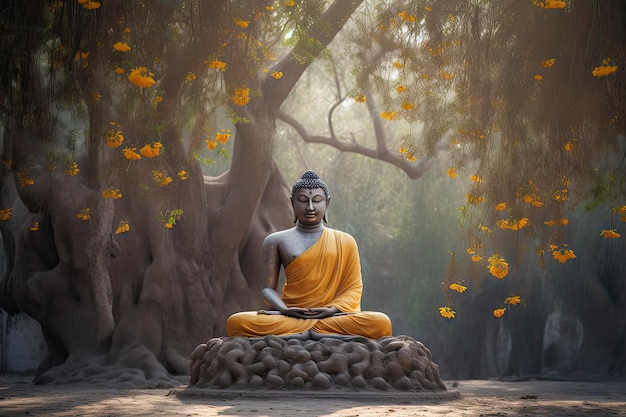
15 interesting facts about meditation in a historical context:
- Influence of tradition: Meditation was widely practiced in the ancient cultures of China, Tibet, Japan, Sri Lanka and other regions.
- Meditation in Christianity: In early Christian teachings, such as asceticism, meditation played an important role in spiritual practice.
- Eastern practices entered Western culture: In the 19th century, interest in Eastern cultures led to the popularization of meditation in the Western world.
- In the 1950s and 60s, Mahesh Yoga introduced Transcendental Meditation, which became one of the most popular forms of meditation in the world.
- Development of scientific interest: In the 1970s and 80s, scientific research began to actively study the impact of meditation on mental and physical health.
- Meditation in the modern world: With the advent of the Internet and mobile applications, meditation has become accessible to the masses.
- Meditation in Education: In some countries, meditation is being introduced into educational programs to relieve stress and improve student focus.
- Business and meditation: Many successful companies incorporate the practice into the workday to increase productivity and reduce employee stress.
- Meditation in psychotherapy: Meditation is used in psychotherapy practices to treat anxiety, depression, and PTSD.
- Meditation and brain research: Modern research using neuroscientific methods shows how meditation affects the structure and function of the brain.

Thus, meditation in the period of military operations becomes a necessary tool for maintaining mental health, developing spirituality and creating a basis for mental and physical recovery in conditions of crisis and instability.
Its value lies in the ability to strengthen a person’s internal resources, help adapt to changes and acquire inner joy and harmony even in the most difficult times.


I’m not sure where you’re getting your info, but great topic. I needs to spend some time learning more or understanding more. Thanks for wonderful information I was looking for this information for my mission.