
“Mobilized people who had nothing to do with the army before the war are fighting on the front line, and the officers almost do not fight”: Anna Skorokhod

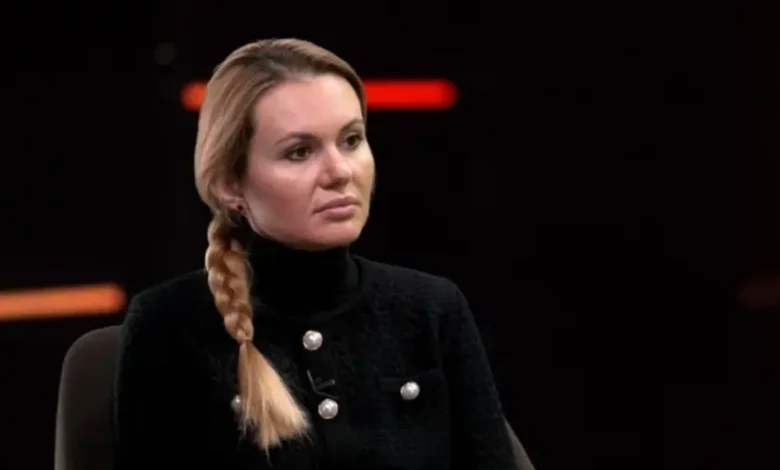
The topic of mobilization in Ukraine during the last almost three years remains extremely painful for society. Millions of people face injustice and uncertainty when their family and friends go to the front, and the mechanisms of mobilization raise many questions. Currently, the situation is complicated by the lack of opportunities for demobilization, which increases the tension in society. The problem is exacerbated by the uneven distribution of the burden of war, with recruits without military experience on the front lines and officers largely out of combat. This increases not only the risks at the front, but also the moral exhaustion inside the country.
Failure of mobilization as a key factor
People’s deputy Anna Skorokhod on “Vechir.LIVE” clearly outlined the main reason why Ukraine cannot afford demobilization. According to her, the mobilization plans are not being implemented, and the lack of reserves to replace the fighters who are currently on the front lines is becoming a critical challenge for the command of the Armed Forces of Ukraine. Commander-in-Chief Oleksandr Syrsky notes that the situation with the rotation of personnel is so difficult that demobilization can endanger the functioning of the army.
This problem is complicated by the fact that mostly mobilized citizens are fighting at the front, who before the full-scale invasion had nothing to do with military service at all. Instead, a significant part of the officers remains in the rear. As Skorokhod noted, officers cannot be appointed to positions lower than their rank, which creates an imbalance in the use of human resources.
“There will be no demobilization yet, because Ukraine is a failure with mobilization. We are not implementing the mobilization plans that exist today and demobilization for the head committee (Gof the senior commander of the Armed Forces of Ukraine Oleksandr Syrskyi, – ed.) will be simply critical. Because, according to him, there is no one to replace the guys on the front line. I want to remind you that we have almost no officers at war.
Moreover, an officer cannot be appointed to a position lower than the one he holds. Therefore, we have the result that we have mostly mobilized people fighting on the front lines, who before the full-scale invasion had nothing to do with the army at all,” – believes Anna Skorokhod.
Lack of rotation and reinforcement
ZSU Major Maksym Zhorin emphasized that in order to carry out demobilization, it is necessary to first solve the problem of rotation and restoration of units. The system fails to ensure regular turnover of personnel on the front lines, which causes chronic fatigue and demoralization among fighters. According to Zhorin, rotation should become a priority task for the military command, because only through this mechanism can stability at the front be guaranteed.
Social and political aspects
ATO veteran Yevhen Dyky emphasizes that demobilization without proper preparation of reserves will be suicide for the country. Currently, the political will is directed towards avoiding unpopular decisions, such as increased mobilization. This creates a paradoxical situation: society demands justice and transparency, but at the same time rejects the necessary measures that could stabilize the situation at the front.
In addition, the problem of mobilization and demobilization has profound social consequences. Many people perceive mobilization as unfair, because some categories of citizens avoid the draft, while others bear the brunt of the war. This deepens mistrust of the authorities and undermines national unity.
Consequently, Ukraine is in a difficult situation where demobilization becomes virtually impossible due to a critical lack of human resources. Failure to implement mobilization plans, problems with rotation and social tension create a vicious circle that needs an urgent solution. To do this, it is necessary to revise the approaches to mobilization, ensure a fair distribution of responsibilities and strengthen the preparation of reserves. Only then will it be possible to talk about the possibility of a gradual return to normal life of those who have already fulfilled their duty to the country.


