
New EU requirements for Ukrainians with pets: without which documents they may not be allowed across the border

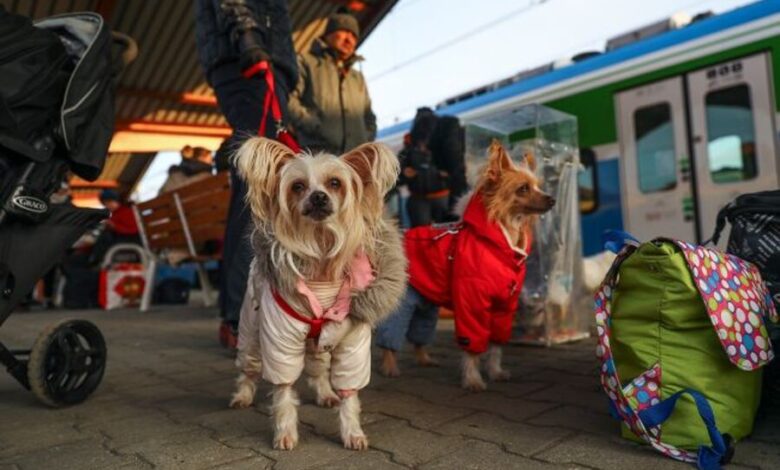
Ukrainians traveling to the EU with pets should be aware that border regulations have become more demanding regarding documents and accuracy of registration. For owners of cats, dogs, or other pets, even one mistake in the certificate or the lack of the necessary veterinary confirmation can ruin the trip, so preparation for departure should begin even before arriving at the checkpoint.
What has changed for Ukrainians with pets
Ukrainians traveling to the countries of the European Union with cats, dogs, or other pets should check the animal’s documents in advance, as updated requirements for the non-commercial transportation of animals from third countries, including Ukraine, will come into effect in the EU from April 22, 2026.
As reported by the State Food and Consumer Service, to cross the border, owners must prepare:
- international microchip;
- valid vaccination against rabies;
- test for antibody titers;
- international veterinary certificate.
Separately, the new requirements prescribe the procedure for accompanying animals: the veterinary certificate must now indicate the owner of the animal, even if it is transported by another authorized person. For Ukrainian families who travel separately or hand over the animal to relatives, friends or volunteers, this detail can be crucial. If the documents indicate a person who is actually accompanying the animal but is not its owner, border or veterinary services may ask additional questions.
For refugees who often cross the border in difficult living conditions, these rules are of practical importance, because an error in the certificate, the absence of the necessary examination or an incorrectly indicated owner can create problems during entry.
An international veterinary certificate is issued by the border inspection control department of the interregional main department of the State Service for Food, Agriculture and Consumer Protection at the state border. Without this document, crossing the border may be difficult, even if the animal is vaccinated and chipped.
What to check before traveling
Before traveling, Ukrainians should make sure that the microchip is readable, the rabies vaccination is valid, and the antibody titer test has the required validity period. It is also important to check the owner’s personal data in all documents so that the surname, first name and other information match without errors.
Particular attention should be paid to those who plan to travel through several countries or cross the border more than once. For refugees returning to Ukraine for a short time and then heading back to the EU, the animal’s documents must be checked before each departure.
The updated requirements may create difficulties for those who prepare documents in a hurry or rely on the old rules. Most often, risks arise due to the lack of an antibody titer analysis, overdue vaccination, inconsistency of data in the certificate, or the animal being transported by another person without proper registration.
For Ukrainian refugees, such a situation may mean a delay at the border, the need for additional checks, or the animal’s entry being refused. That is why preparation should begin before departure, and not during the registration of documents at the checkpoint.
Therefore, Ukrainians planning to travel to the EU with a pet should prepare veterinary documents in advance, check vaccinations, take care of antibody titer tests, and ensure that the certificate indicates the owner of the animal. For people who live between Ukraine and EU countries or have to cross the border frequently, these requirements become part of preparing for a trip along with documents for themselves and their children.
Other changes for crossing the EU border
In addition to the rules for animals, Ukrainians should also take into account other changes that the European Union is gradually introducing. In the last quarter of 2026, the ETIAS system should come into operation, which provides for the issuance of a paid entry permit for third-country nationals.
For Ukrainians, this will mean the need to apply before traveling to the EU. The permit fee will be 20 euros, and the permit itself is planned to be issued for a period of up to three years.
Ukrainians should also be more careful about the contents of their luggage, as cases of seizure of prohibited products and items have become more frequent at the border with Poland. This is a separate problem that is not related to the transportation of animals, but it also affects the passage of control.


