
Recovery from trauma: children from Mariupol rested and underwent rehabilitation in Azerbaijan

Childhood during war changes faster than adults can explain to children the reasons for danger, loss, and forced displacement. For many Ukrainian families, the usual rhythm of life has been disrupted by shelling, evacuation, separation from loved ones, living in foreign cities, and the constant expectation of news from home. Children who have experienced such events need not only safety, but also a space where they can regain a sense of peace, communication, and normal daily life.
Children of internally displaced persons from Mariupol, a city that has become one of the most painful symbols of Russia’s war against Ukraine, remain vulnerable. For them, a break from daily stress has a meaning that goes far beyond a regular trip: psychological support, a change of scenery, new experiences, and the attention of professionals help gradually restore their emotional state after what they have experienced.
Mariupol children underwent rehabilitation in Azerbaijan
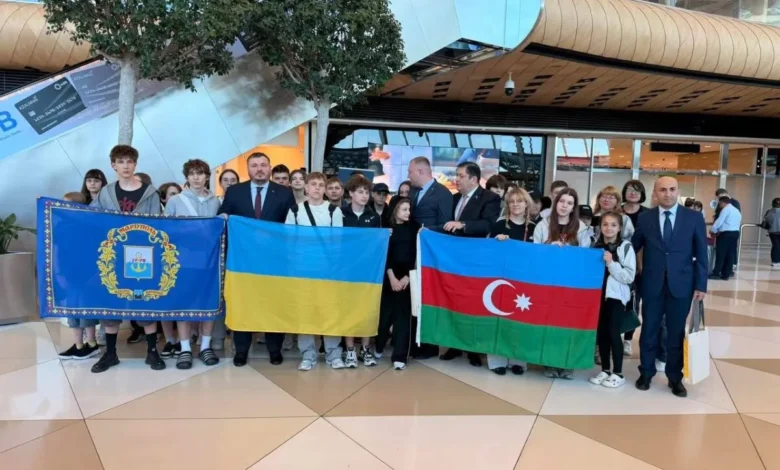
Thirty children from Mariupol took part in a rehabilitation program in Azerbaijan. Among the participants were children of military personnel, combatants, defenders of Ukraine, as well as families whose loved ones returned from Russian captivity.
The completion of the program was announced by the Mariupol City Council. According to it, the rehabilitation was organized by the Ministry of Labor and Social Protection of the Population of Azerbaijan.
The rehabilitation course took place at the Gabala Children’s Rehabilitation Center. For ten days, the children were in an environment where their day was built around rest, communication, psychological support, and gradual emotional recovery.
For children who have lived in conditions of anxiety for a long time, such a change of space is of great importance. A calm regime, adult attention and the absence of daily pressure make it possible to reduce the tension that often accumulates after forced relocation, loss of home or shelling.
As part of the program, children attended individual consultations with psychologists. This format makes it possible to work with the child’s personal experiences, which he or she cannot always voice in the family or among peers.
A separate part of the rehabilitation was group therapy. During such classes, children gained experience communicating with those who also experienced war, evacuation or separation from loved ones. For many, this is important, since shared experiences help reduce feelings of isolation and restore confidence in normal interaction with others.
Rest as part of recovery
The program in Azerbaijan was aimed at the physical and emotional recovery of children, as well as their social adaptation. After a war, it is often difficult for a child to quickly return to school, communication, and familiar activities, so rehabilitation trips play an important supporting role.
Rest in this format helps children switch from traumatic experiences to new impressions, movement, conversations, acquaintances, and activities that gradually restore a sense of stability. For children from military families and former prisoners of war, such support is especially important, as their growing up often takes place alongside difficult family trials.
In addition to psychological work, the children were introduced to the history and culture of Azerbaijan. Such activities complemented the rehabilitation program, as the new environment, excursions, and cultural experiences help children move beyond memories of danger and see a wider world beyond the experience of war.
For the children of Mariupol, this trip was an opportunity to spend ten days in a safe space, where attention was focused on their condition, needs, and gradual recovery. Amid the lingering effects of the war, such programs remain an important part of helping children who lost their normal childhood due to Russian aggression.


