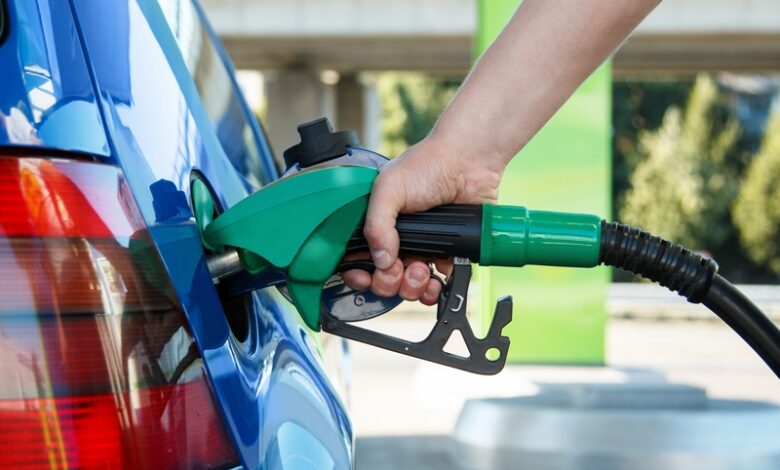
In the Oryol region of Russia, they plan to introduce new rules for the sale of gasoline, according to which local drivers will be able to refuel their cars on certain days depending on the license plate of the car. This is reported by The Moscow Times.
The governor of the Oryol region, Andrey Klychkov, explained that they want to tie the refueling schedule to the first digits of the car license plates.
“On Saturday, cars with license plates starting from 0 to 1 will be refueled, on Sunday – from 2 to 3, etc. We will release up to 50 liters,” explained the governor of the Oryol region, Andrey Klychkov.
According to him, such an order can be introduced at 57 gas stations of the Rosneft and Gazprom networks. Cars with license plates from other regions will be able to refuel only at three specially designated gas stations in Oryol.
“For me, the priority is the residents of the Oryol region, not transit cars or those who are simply passing by,” Klitschko emphasized.
He believes that such a mechanism will help reduce the excitement and provide drivers with fuel for one and a half to two weeks. Klitschko said that the authorities have already worked out these proposals. The decision is planned to be made on July 1, after which the system should be launched in the region.
Ukrainian attacks on Russia’s oil infrastructure have caused a fuel shortage in most regions of the Russian Federation. Because of this, gasoline is sold to Russians with restrictions. Recently, Putin first acknowledged the existence of a fuel crisis in Russia and said that the country may completely ban fuel exports due to problems in the domestic market.
Amid regular attacks by Ukrainian drones on Russian oil refineries, the Russian Federation has banned the export of gasoline until July 31, and the export of aviation kerosene has been limited until November 30.
After the strikes by Ukrainian drones, gasoline production in Russia has decreased by 25%. Massive attacks on oil refining infrastructure have led to disruptions in the supply of petroleum products in many regions of the Russian Federation, rising prices at gas stations, long lines and local fuel shortages.
The fuel crisis is spreading across Russia’s regions, including Moscow and St. Petersburg. The gasoline shortage is most acute in the annexed Crimea and Sevastopol.