Scientists have developed a way to process plastic waste into paracetamol using bacteria

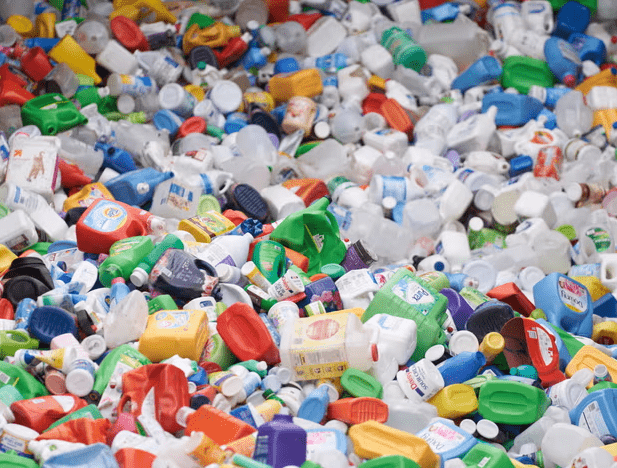
Scientists have developed a new way to turn plastic waste into painkillers – bacteria help them in this. As chemists discovered, Escherichia coli can be used to synthesize paracetamol from the material used to make plastic bottles. This discovery makes it possible to make the process of drug production more ecological, informs The Guardian.
“Currently, people don’t realize that paracetamol is derived from petroleum. This technology shows that by combining chemistry and biology for the first time, we can make paracetamol more environmentally friendly and at the same time clean the environment of plastic waste.” – explained the lead author of the study, Professor Stephen Wallace of the University of Edinburgh.
The researchers used polyethylene terephthalate (PET), a plastic widely used in food packaging, films and bottles. Using an environmentally safe chemical method—the Lossen rearrangement—they turned it into a new material. This material was then incubated with a harmless strain of E. coli and obtained para-aminobenzoic acid (PABA).
Normally, the Lossen rearrangement requires harsh laboratory conditions, but in the presence of E. coli the reaction occurred naturally and easily. Phosphate, which is contained in bacteria, played a key role in this.
Because PABA is necessary for bacterial growth and DNA synthesis, the researchers used a genetically modified E. coli that is unable to produce it on its own. This forced the bacteria to use the PET-derived substance to survive. Later, two more genes were added to the bacterium—one from fungi, the other from soil bacteria—which allowed it to convert PABA into paracetamol.
The research team said that using this approach, they were able to convert plastic raw materials into paracetamol in less than 24 hours, with low emissions and high production efficiency. Although the technology still needs to be refined before possible commercial application, the authors consider it promising.
“This for the first time opens a path from plastic waste to paracetamol, which is impossible with biology alone and impossible with chemistry alone”, — noted Stephen Wallace.