
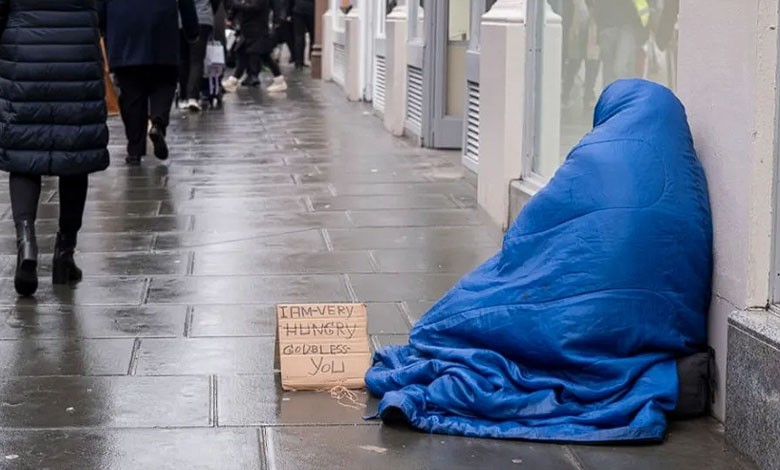
On a wet, rain-soaked Oxford Street in London, the man is hiding under a blue sleeping bag, as if trying to find shelter from the indifference of the world. Near him is a cardboard inscription: “I am very hungry, God bless you.” Pedestrians, deep in their own thoughts, pass by despite his attention. Although, it would seem, those who have not become public, such a picture should not leave them indifferent.
Such dramas unfold every day on the streets of the cities of Great Britain – the sixth largest economy in the world. Even in a country with such a high standard of living, people who only yesterday had a roof over their heads are today homeless. The reasons for this phenomenon are multifaceted and sometimes tragic.
Fortunately, society has mechanisms that help those who are in trouble. But, unfortunately, these mechanisms are imperfect and often fail. Local councils, charities and government programs are working to help people get back to normal. For example, Shelter provides support, legal aid and information for housing issues.
To whom social housing is provided
Homeless people or those who are at risk of being on the street have the right to temporary social housing. Victims of violence or persecution can also count on help, because for them housing is not just a roof, but also protection from threats. Do not forget about the graduates of orphanages. It is especially difficult for them to adapt to independent life, and social housing becomes a very appropriate start for them.
People who, due to financial difficulties, cannot afford to rent housing under normal conditions can get a life-saving social roof. These are low-income families, unemployed or those who have lost their jobs. Among them are many single mothers or fathers who try to provide their children with the most necessary things, but do not have the opportunity to rent housing on their own.
In addition, people with disabilities or seriously ill people need help. It is extremely important for them to have housing that meets their special physical needs. Elderly people also ask for help, looking for conditions for a peaceful old age.
Homelessness is rarely the result of a single event. As a rule, this is the result of a chain of circumstances that lead a person to the edge of the abyss. One of the main reasons is financial difficulties. People are forced to leave their homes due to job loss, low income or debt. Exacerbating the situation is the increase in the cost of rent, especially for those who live in regions with a high standard of living.
Social circumstances are no less dramatic – divorce or family conflicts often leave one of the partners homeless. Domestic violence is another reason that forces people to leave their homes to escape constant danger. Health problems, addiction to alcohol or drugs often worsen the situation, marginalizing people.
In many areas of the UK, demand for social housing far outstrips supply. Therefore, even those who meet all the criteria can wait years for their housing. Legal aspects also complicate the situation. Often the final blow for people who are already on the brink is eviction due to lease violations or paperwork issues.
What local councils expect from the UK Government
Local councils in Great Britain have large financial problems, which complicates the fight against homelessness. These costs have increased significantly and local authorities are now demanding more funding from the government to cope. Thus, from 2010 to 2020, funding of local authorities decreased by almost two-thirds. This forced them to cut spending on the social sphere, in particular on helping the homeless.
High inflation and a cost-of-living crisis have increased the number of disadvantaged people in need of assistance, putting additional pressure on local councils. Social spending is increasing, but funding is not increasing sufficiently. This leads to budget deficits and forces councils to cut essential services. In 2018, Northamptonshire County Council even declared bankruptcy due to these problems. Local councils are calling on the Government to increase funding to ensure homeless people are properly supported.
Local councils in the UK are facing major challenges due to the rising costs of temporary housing for the homeless. This is due to the policy of the government, which froze the limits on reimbursement of expenses back in 2011. Because of this, councils spend a lot of money on renting premises, hotels and other accommodation for homeless people, but do not receive enough compensation from the government.
These limits have not changed for more than a decade, despite rising housing costs and inflation. Over the past five years, councils have fallen short of nearly £740 million that could have been spent on preventing homelessness.
Because of this, local councils are forced to use their own funds that were originally intended for long-term purposes, such as building affordable housing or supporting rental programs. Instead, they spend money on temporary measures, which only adds to the financial pressure.
Consequently, local councils and organizations are calling on the government to review the frozen limits and increase funding to avoid further increases in homelessness and the burden on social services. They believe that saving today will lead to more spending in the future.
The Local Government Association says that fiscal policy should take into account actual spending this year. The situation is worsening: at the end of June, 123,100 households lived in temporary housing, which is 16% more than last year. The main reasons for this are rising rents and a shortage of affordable housing. Many people cannot afford rent and turn to local councils for help. Rising rents and a lack of affordable housing are forcing councils to resort to expensive hotels and B&Bs.
The director of the charity Crisis says more people are becoming homeless due to the rising cost of living. They turn to local councils, which are forced to house them in expensive temporary shelters that often do not meet their needs.
The Local Government Association wants the financial burden to be fairly shared between local authorities and the government. Although the latter allocates millions of pounds to fight homelessness, the strategy remains unimplemented. Labor is promising to build 1.5 million new homes over five years, but local councils doubt it can be achieved. Local councils currently spend £1.75bn on temporary accommodation each year and this figure is rising.
…On Oxford Street, a man under a blue sleeping bag symbolizes a crisis that is becoming a regular part of the urban landscape.
Tetyana Viktorova


