In today’s realities, it is very important to understand that we need to pay a lot of attention to the mental and psychological health of children, because life in war has a great impact on the psyche and the future. Realizing this, it is worth considering that adults experience war and stressful situations much more easily and calmly than children, who for the most part do not even realize what is actually happening.
It is very important to first explain to the child what war is and under what conditions it can occur, but depending on the child’s age, to present these reasons in a way that is understandable.
If these are very young children, then there are several methods to choose from, for example, to make up a fairy tale where one of the parties is evil and the other is a positive and kind character, and use this example to explain that sometimes it happens that good has to fight evil. At a young age, a child may not realize or understand the real reasons, but from childhood, everyone studies the concepts of good and evil, trying to realize what is right and wrong.
If the child is already of a more conscious age, then it is worth specifying the situation, explaining what actually happened and giving specific examples to explain why this is the case. Most often, children already understand what is happening, but they do not realize why. This is where the main task is to explain the situation correctly. Because children’s psyche and thought processes are still unstable and not fully formed, stressful situations affect them much more, and if nothing is done about it, the child may have traumas and fears in the future. This is because when a child lives in a calm environment, without any stressful situations, he or she realizes that there is nothing to be afraid of and that he or she is under the protection of parents. But when situations like the one we have in Ukraine arise, the child’s entire calm and safe life is destroyed, leaving nothing familiar and beloved. If you do not pay due attention to this in time, then, as a rule, these fears can manifest themselves in absolutely all areas of life in the future, preventing the child from simply existing.
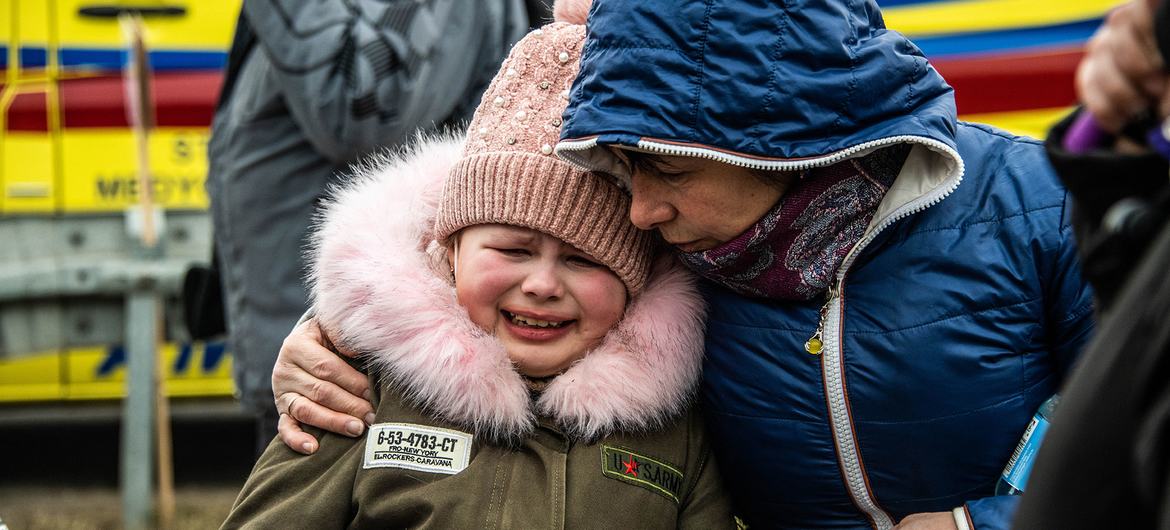
In our circumstances, during military operations, it is important to “fill” all the emotional needs of a child, because stress has a detrimental effect on mental health and physical well-being. This can be done by giving the child enough time and warmth to realize that no matter what happens, the family is always there, and the child is safe. You should never leave a child alone with their thoughts if they are scared or do not understand what is happening, because the consequences can be catastrophic. To this lifestyle, you need to add more entertainment and time spent with your family to leave your child with joyful and warm memories that will not let them drown in fear and uncertainty.
War is not only a conflict between states or groups, but also a complex situation that leaves its mark on every member of society, especially on the most vulnerable among them – children. The impact of war on a child can be extremely serious and then last for the rest of his or her life. Let’s look at the main aspects of this issue.
Psychological impact: War puts a lot of psychological pressure on children. They experience stress, anxiety and trauma in the middle of the conflict. Bombings, shelling, and the loss of loved ones are just some of the factors that cause post-traumatic stress in children.
Loss and separation: War leads to a large number of losses among children – loss of parents, relatives, friends. It destroys their worldview and security, leaving a big wound in their psyche forever.
Economic hardship: War often leads to economic devastation and destruction of infrastructure, making it difficult to access basic needs such as food, water, medical care, and education. Children become victims of hunger and disease, which deepens their vulnerability.
Loss of education: The war interrupts children’s education, causing the educational process to stop. This could have long-term implications for future and social development.
The need for support: In order to help children affected by war, comprehensive psychological support from specialists is needed. These include psychological assistance, medical care, education, and a safe haven.
The role of the public and the international community: Civil society organizations and international agencies play an important role in helping children affected by war. They should provide the necessary resources and coordinate actions to ensure the safety and well-being of children.

The impact of war on children is extremely serious and has long-term consequences for their lives. Comprehensive support and assistance should be provided to help the child overcome the trauma and ensure a healthy and happy life.
Ways to support children during armed conflict aimed at reducing the negative impact on their mental health include the following aspects:
- Creating a safe environment: Providing children with safe spaces where they can feel protected from danger and violence. This can be a school shelter, a children’s center or a special temporary shelter.
- Psychological support: Providing access to psychological support and counseling for children to express their feelings and get help in dealing with traumatic experiences.
- Maintaining family ties: Ensuring that children are able to maintain contact with their families even when separated due to war. This can be done through communication technologies, correspondence or other means of communication.
- Development of social skills: Programs and activities designed to develop children’s social skills to help them communicate, cooperate, and support each other under stress.
- Stimulating and creative activities: Organizing activities aimed at developing creative and positive aspects of life, such as art, music, sports or games, to help children take their minds off the military conflict and find joy in life.
- Economic support: Providing material support for families with children that can help meet the basic needs of children and reduce stressors associated with economic instability.
These ways of support are aimed at creating conditions in which children can develop and adapt to the military conflict with less stress and traumatic consequences for their psyche.