The Minister of Migration of the Netherlands proposed to reduce the period of residence for refugees to two years

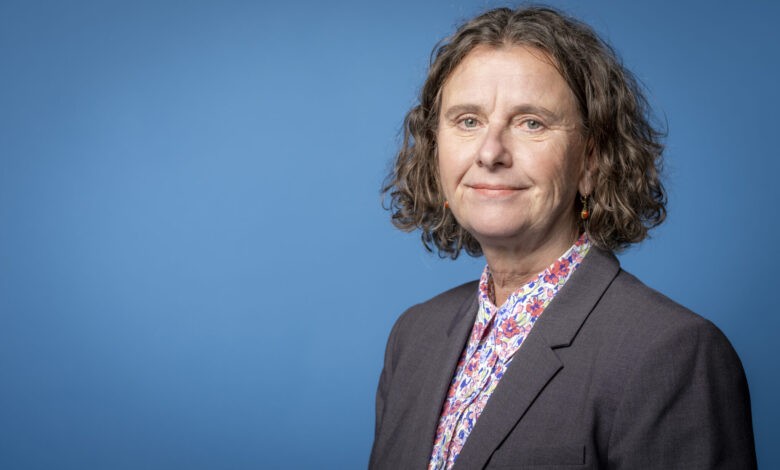
In Europe, the debate about limiting the rights of refugees continues, and the latest statements of the Minister of Migration of the Netherlands, Marjolein Faber, have once again raised a wave of indignation. She reported on plans to reduce the period of temporary residence for those fleeing war from five to two years. According to her, such steps are designed to make the migration policy more strict and controlled.
The essence of the initiative
On September 25, 2024, after a visit to Denmark, where a similar system is already in place, Faber announced its intention to introduce a similar practice in the Netherlands. She emphasized that she wants to get rid of permanent residence types for refugees, focusing on short-term permits. In her opinion, the two-year period of residence is a more acceptable model that will allow stricter control of migrant flows and better regulation of the asylum system.
This new policy will also affect family reunification procedures. Now, in order to bring their relatives to the Netherlands, refugees will have to meet strict requirements: have stable housing, permanent income and live in the country for at least two years. According to the minister, this will help reduce the number of migrants and complicate the processes related to obtaining asylum.
The reaction of society and human rights defenders
The proposed changes caused a wave of criticism from human rights organizations, lawyers and political opponents. They believe that the implementation of such restrictions violates the basic rights of refugees and is against the Dutch Constitution. The use of the state of emergency to change asylum laws, which many lawyers believe is illegal, is particularly controversial.
In addition, opponents of Faber’s policy draw attention to the fact that the new rules will significantly complicate the integration of refugees into society and create new obstacles for those already living in the country. This can lead to an increase in social tension and increased polarization in society.
Migration policy of the Netherlands in the context of the situation in Europe
Marjolein Faber’s initiatives appeared against the background of pan-European tendencies to strengthen migration policy. Many EU countries are developing new approaches to regulating the influx of refugees, including limiting the terms of temporary protection and strengthening the requirements for obtaining the right of residence.
According to data as of June 2024, more than 4.3 million Ukrainian refugees received temporary protection status in the countries of the European Union, and their number continues to grow. The largest number of Ukrainians settled in Germany, Poland and the Czech Republic. About 39,000 Ukrainian men currently live in the Netherlands, among whom 19,000 are of military age.
Ukrainian refugee policy and new government initiatives
It is important to note that the Prime Minister of the Netherlands, Dick Schoof, previously announced the government’s plans to develop programs that could motivate Ukrainian men of military age to return to their homeland. However, these measures do not involve deportation or forced return. The Dutch government seeks to find ways to encourage voluntary return, for example by creating conditions for further employment or participation in Ukraine’s reconstruction programs.
Marjolein Faber’s proposals to shorten the period of temporary residence for refugees can significantly change the migration policy of the Netherlands. These steps cause serious concerns among human rights defenders, who see them as a threat of human rights violations. At the same time, the Dutch government continues to seek a balance between compliance with international obligations and the need to control migration flows, which is extremely relevant for all of Europe in the current crisis.