The winter of 2025–2026 changed the priorities of Ukrainians in choosing housing: research results

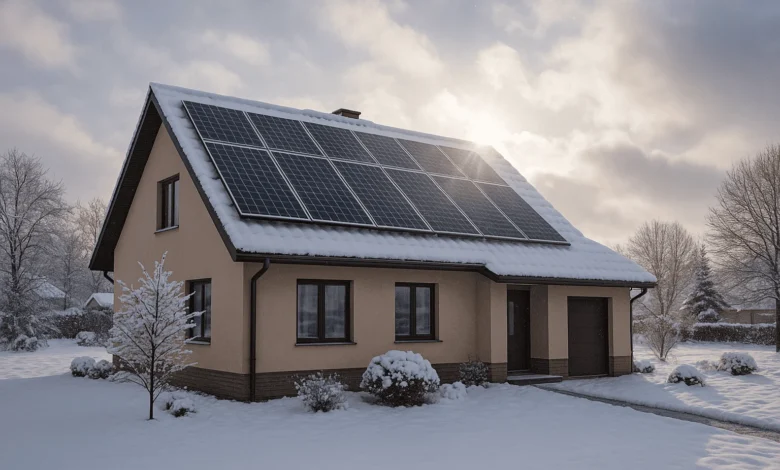
The winter of 2025–2026 was marked by a difficult energy situation related to the war. It affected the daily lives of Ukrainians and forced them to reconsider their approaches to housing. Regardless of whether it was their own or rented housing, problems with electricity, heating, and water supply forced people to rethink the criteria by which they choose housing, as well as determine what is most important for a comfortable and safe stay.
The impact of energy instability on housing decisions
Despite significant interruptions in electricity supply and heating, most Ukrainians remained in their usual places of residence. According to data from the OLX Real Estate study, 83% of respondents did not change their housing during the winter. At the same time, part of the population was looking for temporary alternatives: 7% rented housing in another settlement, 6% temporarily lived with friends or relatives, and 4% rented other housing within their city.
Such mobility emphasizes the desire of Ukrainians to adapt to the conditions, which creates an additional burden on the real estate market and urban infrastructure.
The housing structure demonstrates a variety of social models: 38% of residents live in their own separate apartments, 25% rent housing independently, 14% – together with a partner or friends, 16% – with parents, another 4% – in dormitories. This difference in housing types affects the possibilities of implementing autonomous heating and energy supply systems, since some citizens do not have direct control over engineering communications.
Changes in plans for buying and selling real estate
The unstable energy situation has led to a revision of plans for housing transactions. If by the winter of 2026, 24% of respondents planned to buy or sell, then by the end of the season, 20% are going to buy housing, and 4% are going to sell. The share of those who postponed their decision for 1–3 years is growing – from 28% to 35%, and 40% of respondents do not plan any actions with real estate.
Problems with energy supply became a key factor in changing intentions for 11% of respondents, another 18% noted that the situation “rather influenced” the decision. The most common consequences were delayed purchase (33%), reconsideration of the place of residence in search of safer or autonomous housing (33%), change of the type of desired housing (28%), budget adjustment (23%) and accelerated purchase due to fear of worsening conditions (13%). Some respondents began to consider renting instead of buying (12%), which indicates a desire to maintain flexibility in times of uncertainty.
Autonomy as the main criterion for choosing housing
In 2026, autonomy became one of the determining factors for Ukrainians when choosing a home. While previously the main criteria remained price and an area with infrastructure, now 42% of respondents take into account the presence of autonomous systems. These include their own autonomous heating (64%), autonomous water supply (40%) and alternative sources of electricity (35%). In addition, security factors remain important: 29% of respondents rate the security of the territory, and 24% assess the availability of shelter nearby.
Financial instability, problems with heating and electricity, psychological fatigue, and a sense of danger significantly influence decisions, as they directly affect comfort and a sense of security. Such a shift in priorities forms new expectations from the housing market, forcing developers and owners to offer solutions that take into account autonomy, security, and long-term reliability.
Therefore, the difficult winter of 2025–2026 changed the standards and requirements of Ukrainians for housing, emphasizing the need for autonomy and security in everyday life. Understanding these changes allows us to assess how socio-economic factors and unforeseen energy challenges affect people’s behavior, real estate plans, and expectations from the living environment. This experience defines a new direction for the real estate market, where the criteria for choice are not only price and location, but also the ability to live uninterruptedly and safely in any conditions.