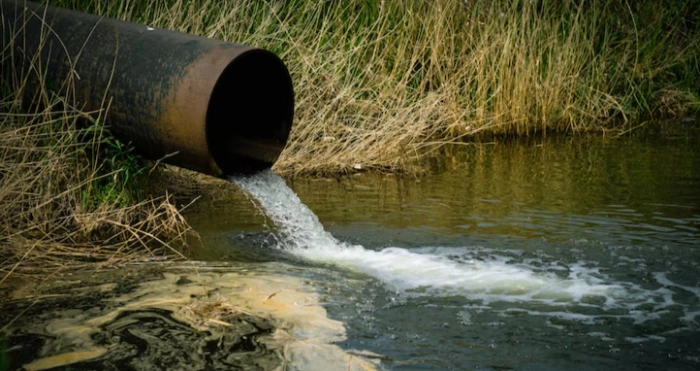
Scientists have estimated that approximately 8,500 tons of antibiotics enter the world’s river systems every year. This is almost a third of all antibiotics consumed by humanity. Such data was released by a team of researchers from McGill University, the results of which were published in the scientific journal PNAS Nexus, reports SciTechDaily.
According to the conclusions of the study, rivers stretching for millions of kilometers across the planet contain antibiotic residues in concentrations that can contribute to the development of drug resistance and threaten the life of aquatic organisms. Even after passing through treatment plants, a significant portion of these substances ends up in natural waters.
“Although the residual amounts of individual antibiotics in most rivers are very small and difficult to detect, their chronic and cumulative effects can pose risks to human health, aquatic ecosystems and living organisms,”, said the lead author of the study, McGill University research associate in geography Eloise Ehalt Macedo.
During their work, the scientists used a global model validated by field measurements from nearly 900 river basins. It turned out that amoxicillin – the most widely used antibiotic in the world – is most likely to be present in dangerous concentrations, especially in countries in Southeast Asia, where the increase in drug use and poor wastewater treatment are only exacerbating the problem.
Study co-author Bernhard Lehner, professor of global hydrology in the Department of Geography at McGill University, stressed that the results should serve as a warning against the overuse of antibiotics.
“Antibiotics are vital to treating diseases around the world, but our results show that their widespread use can have unintended effects on the aquatic environment and contribute to the development of drug resistance,” – explained the scientist.
The researchers call for more research and effective management mechanisms to minimize the effects of pollution. They also note that their assessment did not take into account antibiotics that enter the environment as a result of animal husbandry or pharmaceutical production, which are among the main sources of environmental pollution.