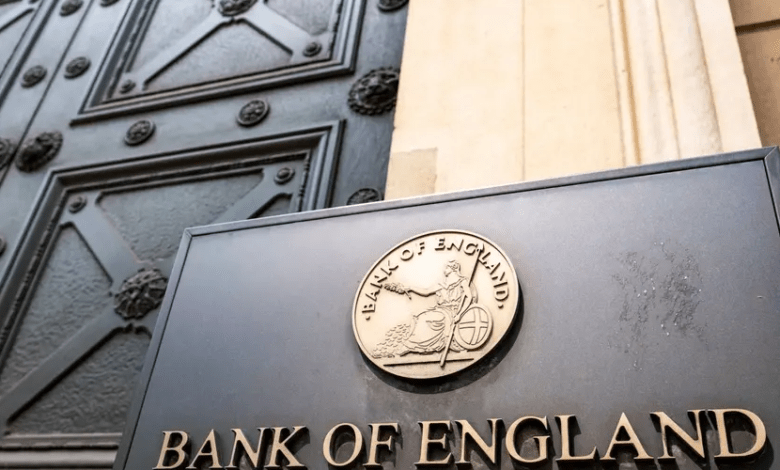
The Bank of England, together with the London Innovation Hub of the Bank for International Settlements (BIS), is conducting an experiment using artificial intelligence to detect financial crimes in real-time retail payment systems. The project, called Hertha, investigated how modern algorithms can recognize sophisticated and new fraud schemes during transactions. About this informs Finextra.
An innovative synthetic data set simulating real transaction patterns was created for testing. It reproduces the activity of 1.8 million bank accounts and 308 million financial transactions. This approach made it possible to assess the possibilities of systematic data analysis in detecting coordinated criminal activity.
The results of the experiment proved that the analytics of payment systems can significantly increase the ability of banks to detect suspicious activity. Project participants managed to identify 12% more fraudulent accounts than usual. The approach to identifying new, previously unknown fraud schemes proved to be particularly effective — accuracy increased by 26%.
At the same time, the Bank of England emphasizes that this approach has its limitations. System analytics is only one tool in the fight against financial crime, and its implementation is associated with a number of legal, practical and regulatory challenges.
It will be recalled that in April the Committee on Financial Policy of the Bank of England expressed concern about the potential risks to financial stability associated with the introduction of artificial intelligence in trading and investment activities. The regulator calls for increased supervision of these processes.