
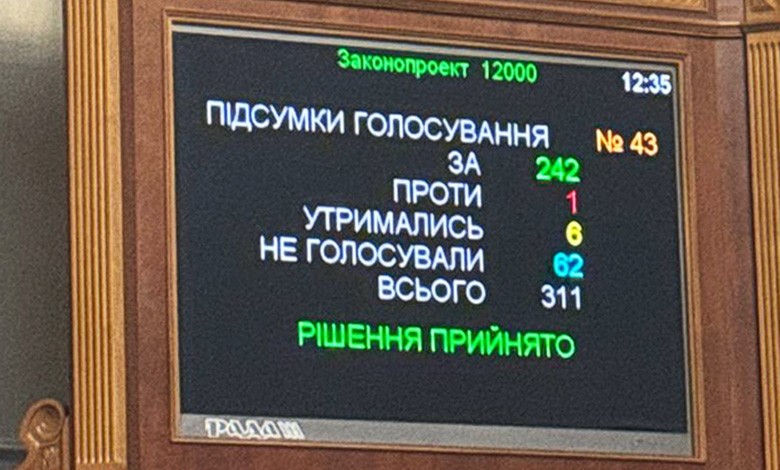
FACT has already reported that the Verkhovna Rada of Ukraine supported amendment No. 155 to the budget bill for 2025, which cancels the previously planned 37% increase in prosecutors’ salaries, leaving them at the level of 2024.
What has become a stumbling block between NABU, SAPO and prosecutors
In general, Ukraine has an interesting situation with the salaries of NABU and SAPO employees, which are significantly higher than those of their prosecutor colleagues. This is due to the fact that the salaries of the NABU and the SAPO are calculated on the basis of the subsistence minimum for able-bodied persons, which is planned to be set at UAH 3,028 next year, which is almost twice the basic subsistence minimum used to calculate the salaries of prosecutors.
It is worth noting that this difference in remuneration may be the cornerstone of discussions about the fairness of remuneration in various state institutions. On the one hand, higher salaries may motivate NABU and SAPO employees to work more efficiently and fight corruption more selflessly. On the other hand, prosecutors may feel some injustice and frustration due to the difference in pay, which may affect their motivation and quality of work.
Whether this will be an effective solution to increase productivity and motivation of staff remains a debatable issue, as it is important to find a balance between fair pay and equal conditions for all law enforcement officers.
Prosecutorial demographics in Ukraine and globally
It is important to note that the number of ordinary public prosecutors in Ukraine is much higher – about 10 per 100,000 people. For comparison, in EU countries, this figure ranges from 6 to 13 per 100,000 people. As for the monetary remuneration of this cohort of specialists in the EU and the US, it averages USD 79,017 per year. This is significantly higher than the average salary for many other professions. For example, the average annual salary for a full-time prosecutor in the EU is around €26,136. Clearly, the salaries of prosecutors anywhere are significantly higher than the average salary of other citizens in the same countries.
The problem is not only the large number of prosecutors, but also the shortcomings of many Ukrainian procedures, including bureaucracy, corruption, lack of transparency, slow trials, etc. This creates inequality and affects the motivation of prosecutors.
It should not be assumed that ‘ordinary’ prosecutors receive much lower salaries and that the state neglects their income compared to the NABU and SAPO employees. Prosecutors in Ukraine earn approximately UAH 37,000-5,000 per month. This depends on the level of experience, position and region of work.
Disability confirmed by the MSEC and other advantages of prosecutors
Firstly, they have a much shorter period of insurance experience. For ordinary people, the insurance period is 30-35 years, while for prosecutors it is only 25 years. This is provided that they have worked in the prosecutor’s office for at least 15 years.
In addition, the shorter pensionable service means that prosecutors can reach retirement age and receive a pension sooner, which is an additional advantage compared to other professions. Thus, although their salaries may seem lower than those of NABU and SAPO employees, they still have their benefits and support from the state.
Second, upon retirement, prosecutors receive a special pension at a higher rate. This also includes cases of disability sustained in the course of their duties, even as a result of minor injuries. The average pension for prosecutors in early 2023 was UAH 21,572. Many prosecutors continue to work after retirement, which allows them to compensate for the shortfall in salary and provide themselves with additional income.
Third, public prosecutors often do not stop at retirement age. They appeal to the court to increase their pension to 90% of their salary (for comparison, in the West this figure can reach 70-80% of the pre-retirement salary of a prosecutor). Thus, they continue to receive not only their salary, but also a pension, which sometimes amounts to 90% of their salary. This allows prosecutors to compensate for shortfalls in their basic salary and provide themselves with additional income.
Some prosecutors, having reached retirement age or received a disability, were able to significantly increase their income. This is due to the use of practices that allow them to receive special pensions at higher rates. For example, with the sharp increase in the number of prosecutors with disabilities confirmed by the MSEC, we see a clear trend of use and, apparently, abuse of such practices.
The system of medical and social expert commissions allows prosecutors to obtain disability status, which automatically increases their pensions to higher levels. In addition to the standard pension, prosecutors can receive additional payments, which significantly increases their income.
Such cases raise questions about the transparency and fairness of the pension system and the need for reform to avoid abuse. It also suggests that pension reform should include measures to ensure transparency and accountability to avoid manipulation by some workers.
Is it necessary to index wages?
Absolutely, yes. But at the same time, all manipulations with pensions must be stopped. In 2024, Ukraine spent about UAH 120 billion on special pensions for judges, officials, law enforcement officers, and the military. This indicates significant state budget expenditures that could have been spent on other important needs. The issue of fairness and transparency of pension payments is relevant and needs to be addressed to ensure effective management of the state’s financial resources.
The budget of the Prosecutor General’s Office for the next year is UAH 18 billion, including planned amendments. If the state audits the Pension Fund’s spending on special pensions, it could save several billion hryvnias by reducing the cost of covering its budget. These savings could be used to increase prosecutors’ salaries. At the same time, prosecutors should lose the ability to use loopholes in the state pension system. If you are working and receiving a pension, you are not entitled to special pensions of 90% of your salary.
The problem of corruption in the prosecutor’s office is complex and multifaceted. Raising salaries alone will not solve this issue, as many prosecutors already receive significant sums through pensions. The problem lies deeper – in the system itself, its dependence on the authorities and insufficient control over its transparency.
In addition to the first salary increase in 2021, a comprehensive review of the prosecution service is needed. This will help to identify weaknesses and understand where major changes are needed that have not yet been made. Reforms should include changes in the structure, working methods, and greater transparency and accountability of the prosecutor’s office. These steps will help to make important changes in the work of the prosecutor’s office, reduce corruption and increase people’s trust in the legal system.
Removing conflicts in the Pension Fund of Ukraine could have a significant impact on the budget. Raising prosecutors’ salaries could even cut costs. With a 37% indexation over three years, the fund for special pensions could be reduced. These pensions are not taxed, which allows not only to increase salaries but also to optimise pension costs.
Tatiana Morarash


