They say that guests are happy twice. What about refugees? Apparently, the situation here is not so unambiguous. After all, at first, the integration of refugees requires significant resources from the host country, but when they successfully integrate into society, the economy begins to reap benefits, in particular, solving the shortage of personnel in certain industries. And in this situation, the mass return of integrated refugees to their historical homeland can become an unexpected challenge for the country that received them.
The role of Syrian migrants in various sectors of the German economy
The German publication Spiegel is of the opinion that return of Syrian migrants from Germany to their homeland, which may become possible after the stabilization of the situation in Syria, may create certain difficulties for the German economy, especially in sectors experiencing personnel shortages. Currently, about 80,000 Syrians work in professions with a shortage of specialists, in particular in car mechatronics, where there are problems with filling vacancies, and in medicine, where more than 5,300 Syrian doctors work. Their departure could exacerbate the staffing crisis in these industries.
Unlike Syrians, migrants from, say, Poland or Romania work mainly in construction, agriculture and logistics, while migrants from Africa or Asia are more likely to occupy unskilled jobs. On the other hand, the majority of Syrians have a high level of education: of the 213,000 employed, about 127,000 are employed in qualified positions. About 4,400 Syrians work in childcare, sick and elderly care, providing quality care to those in need, especially in Germany’s aging population. In the field of education, Syrian migrants help children from migrant families to integrate better.
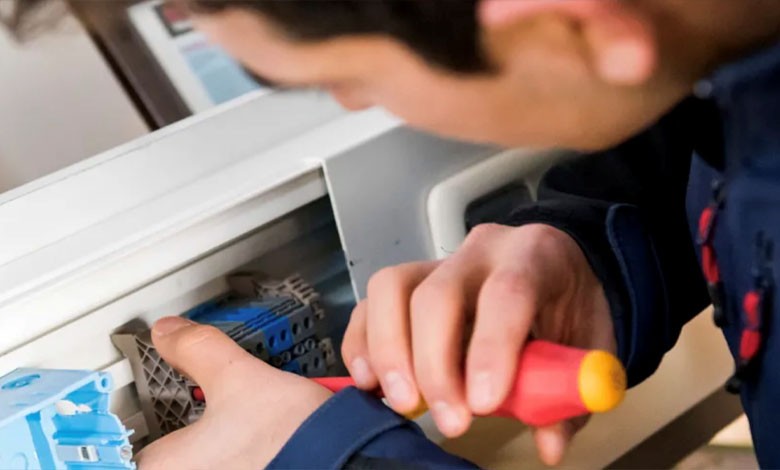
Middle Eastern refugees work in technical professions, servicing heating, air conditioning and plumbing. They support the basic infrastructure of cities and ensure the stable functioning of the service sector. The successful integration of Syrians in Europe’s first economy has been made possible thanks to special training programs: technical courses help quickly master new professions, and accelerated diploma confirmation programs allow doctors from Syria to quickly start working.
Syrians are the second largest group among those seeking refuge in Germany (currently, they are surpassed only by Ukrainians). In total, the country is home to around 1.3 million people of Syrian descent, but only 42% of working age are currently employed. This is because most young Syrians are still in education or vocational training.
Reasons for the shortage of personnel in Germany
There is a shortage of workers in Germany in many important sectors – medicine, engineering, maintenance and care for the elderly. This is due to the small number of students in technical specialties, difficult working conditions, low pay and long training. Also, the rapid development of technology creates a demand for IT and automation specialists, but many people do not have the necessary skills. The situation is complicated by the difference between cities and villages: there are more vacancies in the villages, but few people want to move there. In rural areas, the situation is even worse, because few people want to work there.
The COVID-19 pandemic has compounded the problem as many people have changed jobs, leaving critical industries without staff. Many people have left the medical and service industries. This is hurting Germany’s economy, so the government is attracting migrants and helping people learn new professions that are now most in demand.
There is also a shortage of workers in Germany due to the fact that. the population is aging: many people are retiring, and there are significantly fewer young people who could replace them. In addition, Germany has a low birth rate, so there are not enough new workers either.
Some professions are not attractive to people because of difficult working conditions or low pay, and it takes a long time to get the necessary education. The rapid development of technology creates a demand for specialists in new fields, among others, IT and automation, but many people do not have the necessary skills.
It so happened that the government solves this problem not only through the retraining of the local population, but also through the involvement and training of migrants.
Integration of Syrians into German society
Germany actively helps Syrian migrants integrate into society and find work. For this, programs of professional training, retraining, language courses and social adaptation have been created. Migrants can confirm their diplomas, take an internship or get a new profession if their skills do not meet the needs of the market.
Knowledge of the German language is key, so the state offers free language courses. Migrants are also helped to get used to the new culture through trainings, consultations and volunteer programs. They can receive financial assistance while studying or looking for work.
However, there are difficulties. Learning a language takes a long time, diplomas often need to be verified, and cultural differences and discrimination make adaptation difficult. Migrants also face problems finding housing due to competition in the market. Like many other migrants, Syrians face language barriers, but government programs help them learn the language and gain in-demand occupations. Their work is especially important in rural regions, where the lack of personnel is acutely felt.
Despite this, many Syrians have successfully integrated, working as doctors, engineers or teachers, and make a significant contribution to the development of Germany. Integration remains a challenge, but the support of the state and the persistence of the migrants themselves help them find their place in society.
What will happen if Syrians leave Germany en masse
If Syrian migrants start to leave Germany en masse, it will hit various industries hard. As Syrian doctors and nurses make up a large proportion of hospital staff, especially in understaffed regions, their departure will cause further staffing shortages, longer wait times and more difficult access to health services, especially in rural areas.
The shortage of Syrian engineers can slow down production and reduce the competitiveness of German cars on the world market. The departure of Syrians who work with children, especially from migrant families, will reduce the number of places in schools and kindergartens, which will make life difficult for many families. Syrians who have integrated help other migrants to adapt. Their departure will make it difficult for new migrants to integrate and reduce the cultural diversity that enriches Germany.
Many Middle Eastern emigrants work in construction, repair and maintenance of transport. Their outflow can lead to disruptions in public transport and delays in infrastructure projects.
Fewer Syrians means fewer taxes and social contributions, which can increase the burden on the state budget. A shortage of workers in important industries will require more spending on training or attracting new personnel, which will take a long time.
To avoid these problems, Germany must create conditions that would facilitate a long-term stay of Syrians: offer opportunities for development, security and support for integration. This will help maintain the stability of key industries and prevent serious crises.
How Germans treat Middle Eastern emigrants
The state migration policy is also influenced by the attitude of Germans towards Syrian migrants. Many citizens support the integration of Syrians, as they work in important industries and help the economy overcome demographic challenges.
However, part of the Germans distrust them, fearing competition for jobs, housing or overloading of social systems. This is often exacerbated by politicians who pedal the migration theme in their populist campaign slogans. In rural areas, where there is a shortage of workers, Syrians are supported more actively.
Proposals for integration policy
The German government is trying to find a balance: it creates integration programs – language courses and vocational training – and at the same time tightens border controls.
In order for Syrian migrants to stay in Germany and work successfully, a simple and clear integration policy is needed. First, it is worth simplifying the recognition of their diplomas, so that they can work faster in their profession, and offer courses for training in new professions needed in the labor market. It is especially important to expand language courses that will help Syrians better adapt to work and life.
Social support is also necessary. It can be cultural events to get closer to the local population and help their children in education. In regions where there is a shortage of workers, incentives should be created, such as financial assistance for moving or access to cheap housing.
It is important to provide Syrians with long-term residence permits and to simplify the possibility of obtaining citizenship. Those who want to start their own business should also be supported through micro-loans and advice.
In addition, work with employers to create new jobs for Syrians and fight discrimination by talking about their contribution to the country’s development.
Germany is heavily dependent on skilled migrants to address its aging population, labor shortages and growing demand for specialists in critical industries.
As for Ukrainian refugees, in the case of their mass return home, this can also become a serious problem for the economy. Ukrainians work in Germany in areas with a large shortage of workers – construction, medicine, care for the elderly and in technical specialties. For example, if 30-40% of Ukrainian workers, or about 100-150 thousand people, leave Germany, it can slow down economic development and create serious difficulties for many industries. Their departure could exacerbate a labor shortage, make it harder to fill vacancies and force the government to spend more on training or automation.
It is clear that working refugees are of key importance for the German labor market, and public policy must create the conditions for their integration and long-term stay.
Tetyana Viktorova