Bulgaria’s transition to the euro from 2026: what does this mean for Ukrainian refugees

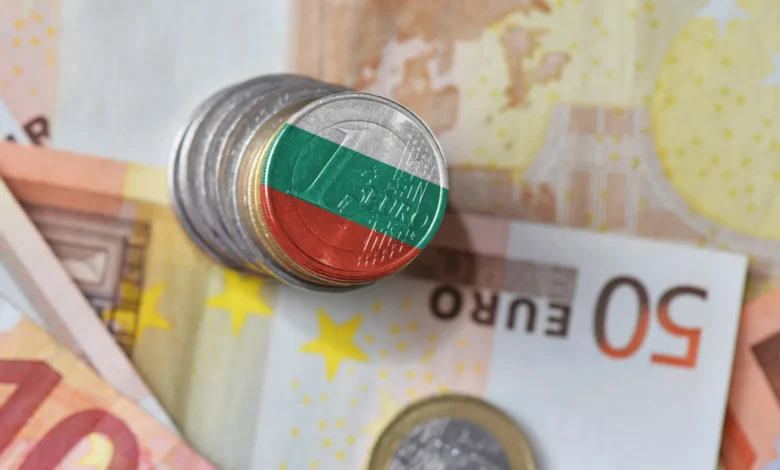
For many Ukrainian refugees who have found temporary shelter in Bulgaria, the news about the country’s upcoming transition to the euro has practical significance. From January 2026, Bulgaria will become the 21st country of the eurozone, and this means that the national currency – the Bulgarian lev – will be finally withdrawn from circulation, and all financial transactions will be carried out in euros. Considering the number of Ukrainians who use local bank accounts, receive payments or work in Bulgaria, it is important to understand the specifics of this process in advance and prepare properly.
Changeover to the euro in Bulgaria
The European Commission and the European Central Bank (ECB) have officially recognized that Bulgaria meets all the conditions to join the eurozone on January 1, 2026, after which it will become the 21st country to use the euro as its official currency. This was reported by the agency Reuters.
Key European institutions have concluded that Bulgaria meets all the “Maastricht criteria”: stable inflation, controlled public finances, appropriate levels of interest rates and a stable exchange rate. A positive conclusion means the end of the monitoring phase since Bulgaria joined the European Exchange Rate Mechanism (ERM II) back in July 2020.
The official launch of the transition process is expected in the second half of 2025.
The decision-making sequence will be as follows:
- June 19 — discussion of reports at the Eurogroup meeting in Luxembourg;
- June 20 — approval of recommendations at the level of the EU Economic and Financial Affairs Council (ECOFIN);
- June 26-27 — consideration by the European Council;
- July 8 — the final decision from the European Parliament and the Council of the EU, which will determine the date of the transition to the euro — January 1, 2026.
After the final decision, the rules for rounding amounts when converting prices into euros, the procedure for exchanging cash, and the terms of the transition period will be approved. During the first year after the introduction of the euro into circulation, a system of double prices will be in effect: amounts will be indicated both in leva and in euros. This practice is a prerequisite for a transparent and comfortable transition, so that consumers can navigate the new prices.
What does this mean for Ukrainians in Bulgaria
Ukrainian citizens temporarily living in Bulgaria face the same financial issues as citizens of the country: housing rent, utility costs, bank transactions, social benefits. With this in mind, the transition to a new currency may affect household payments, contract terms, bill payments, and income accounting if some relatives or employers send funds in euros.
In addition, the issue of currency transition is important for those Ukrainians who work in Bulgaria officially – especially with regard to the calculation of salaries, taxes and social contributions, which will be calculated in euros after 2026. The changes will also apply to bank accounts: they will not be canceled, but all leva balances will be automatically converted to euros at the fixed rate.
Recommendations on how to prepare for the changeover to the euro in Bulgaria
- Stay tuned for official information. The Ministry of Finance of Bulgaria and the National Bank will publish clarifications regarding the conversion, exchange of banknotes, conditions for keeping deposits. It is also worth checking the communication in the bank where the account is opened.
- Take your time to exchange cash. It is assumed that lions can be exchanged without commission for a long time – even after 2026. There will be no massive shortage of euros.
- Update your financial habits. If you keep records of expenses in leva every month, you should start getting used to equivalents in euros at the same time to avoid confusion after changing currencies.
- Check the terms of the contracts. If you rent housing, work under a contract or receive regular payments, pay attention to whether there is a mechanism for automatic conversion of amounts into euros after the introduction of a new currency.
- Keep your payment receipts. In the transition period, inaccuracies are possible, so it is worth keeping documents confirming payments and account balances.
- Check with your local social services. Adaptation support is provided in communities where refugees live. As the number of appeals increases, information events will be organized – it is worth following the announcements.
It is important to be aware and flexible: changing currency is not a one-time event, but a long-term process that should be approached in stages. For Ukrainians in Bulgaria, it brings not only everyday changes, but also a signal of the need to evaluate their future plans for staying, working or returning.