China resumes anti-COVID measures in Guangdong province due to Chikungunya virus outbreak

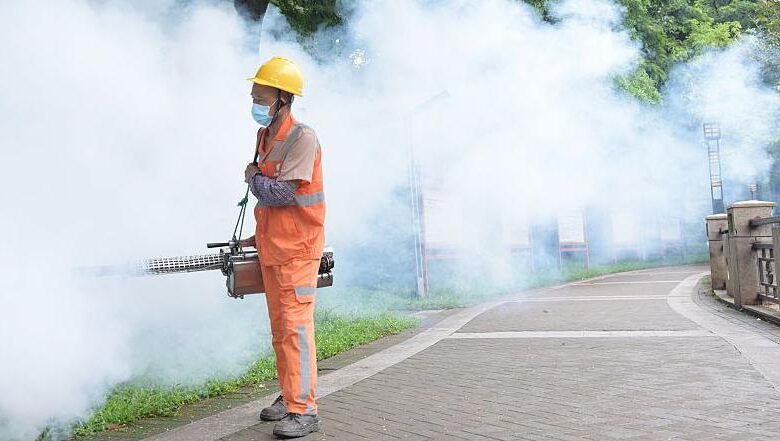
In the Chinese province of Guangdong, more than 7,000 cases of infection with the Chikungunya virus have been recorded since July. Local authorities are responding to the outbreak with methods similar to those used during the COVID-19 pandemic, informs NOW.
Soldiers in protective masks treat parks and streets with insecticides, and drones are used to identify mosquito breeding sites. Biological methods are also involved – thousands of fish are released into the reservoirs, which feed on mosquito larvae, and so-called “elephant mosquitoes” are used, the larvae of which destroy virus carriers.
Chikungunya virus, which is transmitted only through the bites of infected mosquitoes, does not spread from person to person. Infection is possible only in the case of a mosquito bite, which has already been in contact with an infected person. The disease causes fever and severe pain in the joints, symptoms can persist for a long time, sometimes for years. Despite this, the virus rarely leads to fatal consequences.
Over the past four weeks, about 8,000 cases have been registered in China, most of them in Foshan, a city of ten million people. This is the largest Chikungunya outbreak in the country since the virus was first identified in 2008. Experts point to climate change as one of the key factors — warmer and wetter weather promotes active mosquito breeding.
Foshan authorities have organized a large-scale public health campaign, which involves mobilizing the city in the style of measures introduced during the pandemic. At the entrances to the buildings, residents are sprayed with repellents, and workers in red vests go from house to house calling for the removal of stagnant water. In case of refusal to cooperate, residents may be fined or even prosecuted for obstructing anti-epidemic measures.
Those infected in Foshan are kept in hospitals under mosquito nets — usually for up to a week, or until tests no longer detect the virus. According to local authorities, all cases are currently mild and 95% of patients are discharged within a week.