
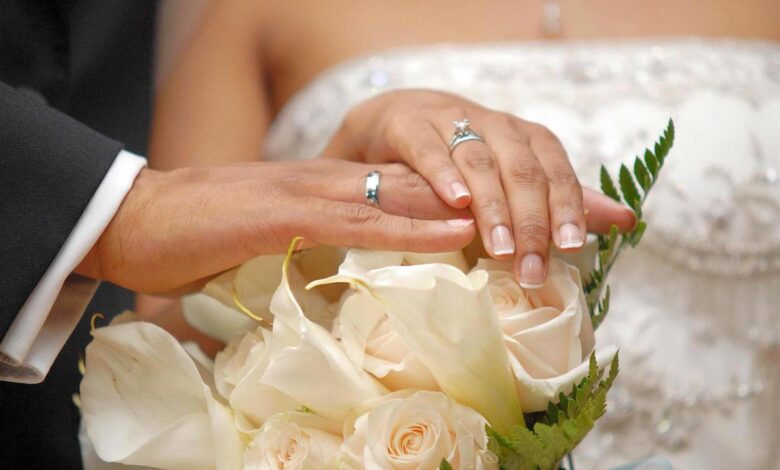
February 8th is celebrated as International Marriage Day and International Scotch Whisky Day. The events of this day in different eras show how the decisions of individuals and communities have influenced politics, science, culture, and the course of world history.
International Marriage Day
This day is celebrated annually on the second Sunday of February. The date is associated with the idea of marriage as a long-term union based on mutual consent, responsibility and support. The day is international in nature and is not tied to religious or state calendars, therefore it is perceived as a symbolic opportunity to draw attention to the importance of marital relations in the life of society.
The initiative to establish this day originated in the USA at the end of the 20th century and later spread to other countries. The main emphasis is on the very fact of marriage as a social institution that affects demography, child rearing and the stability of communities. The second Sunday of February was chosen as a neutral date, not related to specific historical events or holidays.
Interesting facts
In medieval Europe, marriage was considered valid without a priest if the man and woman publicly declared their mutual consent, and a church wedding became mandatory much later.
In ancient Rome, a couple could divorce without a court hearing; an oral statement by one of the partners in the presence of witnesses was sufficient.
In France, until 2013, there was a ban on weddings on Sundays, as this day was considered unsuitable for civil marriages. acts.
In Japan, a traditional marriage contract could be concluded between families before the future husband and wife met, and personal feelings had no legal significance.
In Great Britain, until the 18th century, secret marriages were concluded in Fleet Prison in London, where priests performed ceremonies without checking documents.
In Ukraine, during Cossack times, marriage was often concluded with the participation of the community, and the consent of the girl was considered a mandatory condition, which was atypical for many European regions of that period.
In Ukraine, until the beginning of the 20th century, the remarriage of a widow or widower was usually concluded much faster than the first, due to the economic necessity of maintaining economy.
In traditional Ukrainian culture, the age for marriage was strictly regulated by public opinion, and marrying too late caused condemnation and special nicknames.
In Scandinavia in the past, the marriage contract regulated the division of property in detail even before the wedding, and violation of the conditions could lead to financial sanctions even without divorce.
In some regions of the world, a marriage was considered invalid without cohabitation for a certain period of time, and only after that the union was recognized as full.


