Fines in the Czech Republic for Ukrainians: rules that are easy to miss and expensive to break

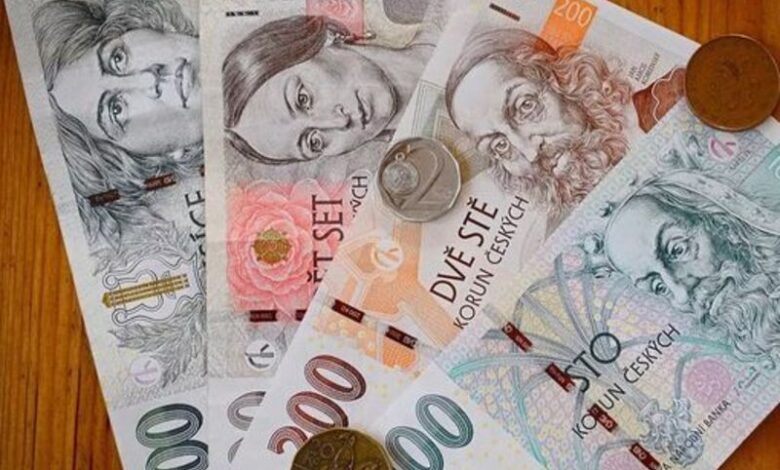
In the Czech Republic, daily routine is based on strict rules that may seem trivial or unusual to newly arrived Ukrainians. Paid travel for a dog, a reflector outside the city at night, a ban on making noise after 10:00 PM, a pet tax, or restrictions on alcohol in the park are not perceived by locals as a formality, because each such item carries a specific responsibility. To avoid fines, you should know not only the obvious requirements, but also those everyday norms that operate in the Czech Republic every day and without unnecessary warnings.
Cars, highways, and parking: saving can be expensive
For trips on most Czech highways, an electronic vignette is required. An annual one costs about 1,500 CZK, short-term options are cheaper, but a trip on a toll road without a toll can result in a fine of up to 20,000 CZK.
In addition, parking in the Czech Republic requires no less attention. A car can be fined for parking on the sidewalk, lawn, in a blue residential zone or in a space for people with disabilities. In Prague, the fine for parking in a residential zone is often 500–1500 CZK, and in more serious cases the case can be referred to the administration, where the amount increases to 5000 CZK.
The most severe punishment is for occupying a space for people with disabilities: the fine can reach 2500 CZK on the spot or up to 10,000 CZK through the administration. If the car interferes with traffic or is parked in a prohibited place, it can be towed. In Prague, a complete towing costs about 3800 CZK, and this amount is added to the fine.
Ukrainians should remember a rule that is of great importance for safety in the Czech Republic. A pedestrian walking on the sidewalk outside a settlement after dark must have a visible reflective element.
This can be a ribbon, vest, sticker or pendant on a backpack. For the absence of such an element, the police can fine up to 2,000 CZK on the spot, although they often first explain the rule or issue a reflective bracelet. This requirement is not a trifle, since a driver in the dark sees a person on the road much later than a pedestrian with a reflector.
Public transport: you have to pay not only for yourself
In Czech transport, controls appear without warning, so traveling without a ticket often ends in a fine. In Prague, the standard fine for free travel is 1,500 CZK, but if you pay quickly on the spot or within 15 days, the amount is reduced to 1,000 CZK.
The controller has the right to ask for a document to issue a fine, and if you refuse, he can call the police. Because of this, an attempt to “drive one stop” without a ticket can turn into much more expensive than the usual fare.
At the same time, a separate ticket is required for a dog if the animal is traveling without a carrier, as well as for large luggage. In Prague, the fine for such a violation can be 400 CZK, although if paid on the spot, the amount is sometimes reduced to 200 CZK. It is also forbidden to eat in transport, especially if the passenger may leave garbage, stains or an odor in the cabin. For violation of the rules of conduct, the fine can reach 1,000 CZK.
Silence, alcohol and smoking: public order is closely monitored
In most Czech cities, night silence is in effect from approximately 10:00 PM to 6:00 AM. Loud music, repairs, shouting, parties or fireworks at this time may be a reason to call the police. For the first violation, it is often limited to a warning or a small fine, but systematic ignoring of the rules can cost up to 10,000 CZK.
It is worth knowing that alcohol is not allowed everywhere in the Czech Republic. In Prague, Brno, Ostrava and other cities, local bans on drinking alcohol are in force in certain parks, historical centers, near playgrounds, bus stops and public spaces. Such places are marked with signs “Zákaz požívání alkohlo”. For beer in a prohibited area, a fine of up to 1,000 CZK can be imposed on the spot.
Smoking is also restricted – smoking is prohibited in restaurants, bars, public transport stops, train station platforms and other designated places. For repeated violations, the fine can reach up to 5,000 CZK, and a cigarette butt thrown on the sidewalk can be a separate reason for a fine.
Cleanliness in the city: garbage and public spaces
The Czech Republic takes the cleanliness of public spaces seriously. A piece of paper, a bottle, a cigarette butt or other litter lying by a bin can be fined several hundred crowns, and for a serious violation the amount can increase to 500–1000 crowns.
There is a separate penalty for defecating in public places. Usually the fine is up to 1000 crowns, but for soiling a building, repeated violations or impudent behavior the amount can be higher. Swimming in fountains, nudity in public places or indecent behavior can also result in a fine of up to 10,000 crowns.
Some cities have local bans that tourists and new residents often do not notice. For example, in resort areas you can be fined for feeding pigeons or other birds in the city center. In Karlovy Vary, fines of 200–500 crowns have already been applied for this, and in some cases the sanctions can be much higher.
Registration of residence, housing and neighbors
Foreigners in the Czech Republic must comply with the requirements for registering their place of residence. The deadlines vary for different categories of people: EU citizens register for a longer stay, and persons with a visa or temporary protection must report their address within the legally established deadlines after arrival or moving.
Ignoring this rule can result in a fine of several thousand crowns. Therefore, after changing housing, it is worth immediately clarifying whether you need to update your data with the Foreigners’ Police or another relevant authority.
In apartment buildings, it is important to follow the house rules, which often stipulate when repairs, drilling or noisy work are allowed. Usually, such work is allowed during the day on weekdays, but in the evening, at night and on Sundays, noise can cause complaints from neighbors.
Owners or tenants of private houses should check the local rules for snow removal near their property. In many communities, residents are responsible for the sidewalk next to their house, so uncleared snow or ice can lead to a fine, which in some cities can reach 10,000 CZK.
Municipal duties should also not be ignored. In the Czech Republic, there are garbage fees, as well as a radio and television license for households. The radio fee is about 45 CZK per month, the television fee is about 135 CZK. Failure to pay may result in a demand to repay the debt and a fine, which can reach 5,000 CZK.
Dogs in the Czech Republic: Love for animals does not cancel the rules
A dog owner must register the animal with the local council and pay an annual municipal fee. This tax usually applies to dogs older than three months, and the amount depends on the city. In Prague, it can reach up to 1,500 CZK per year per dog, although lower rates are provided for certain categories of residents.
When walking a dog in most public places, a dog must be on a leash, and large or potentially dangerous breeds often have to wear a muzzle, especially in transport. For walking without a leash where this is prohibited, the fine can be up to 2,000 CZK on the spot, and in more complex cases – more.
In the forest, letting a dog go unsupervised is especially risky. For such a violation, the fine can reach 30,000 CZK, and the gamekeeper, in situations specified by law, has the right to shoot a dog that runs away unsupervised far from homes and poses a threat to wild animals.
It is mandatory to clean up after the dog. In cities, there are special bins and bags for this, and a fine is provided for left-over excrement, which in law can reach up to 20,000 crowns, although in practice lower amounts are more often used.
In the Czech Republic, all dogs must be vaccinated against rabies and microchipped. Since 2020, rabies vaccination is considered valid only if there is a microchip or an old tattoo.
For Ukrainians who came with a pet, this rule is especially important, because the animal should have already been identified in order to cross the border. The absence of a chip or valid vaccination can lead to a fine of up to 20,000 crowns, and problems most often arise after a bite, a dog escapes, or a check of veterinary documents.
What Ukrainians should remember in the Czech Republic
Most Czech fines arise not because of complex laws, but because of everyday rules that local residents perceive as part of normal life. In 2026, the Czech police and customs administration have the right to react harshly to drivers’ debts related to unpaid fines, road fees, or the lack of mandatory insurance. This rule applies not only to local car owners, but also to drivers of cars with foreign registration, in particular Ukrainian.
During the check, the patrol can immediately see in the electronic system whether the driver has unpaid administrative fines or debts for using toll roads. If the debt is confirmed, law enforcement officers demand to pay it on the spot – by card or cash.
If the driver cannot or refuses to pay the debt, the police or customs officers can apply a locking device to the wheel, remove the license plates, or temporarily detain the car. The return of the car or license plates is possible only after full payment of the fine and compensation for the costs associated with the forced detention of the vehicle.
Control in the Czech Republic is largely automated. Cameras on highways read license plates, and information about violations quickly reaches the tablets of police and customs officers. Because of this, drivers should not expect that an unpaid fine or the absence of a vignette will go unnoticed.
Ukrainians who live or plan to live in the Czech Republic should get used to the simple logic of local order: it is better to clarify the rule in advance than to pay a fine later for something that at first seemed insignificant.