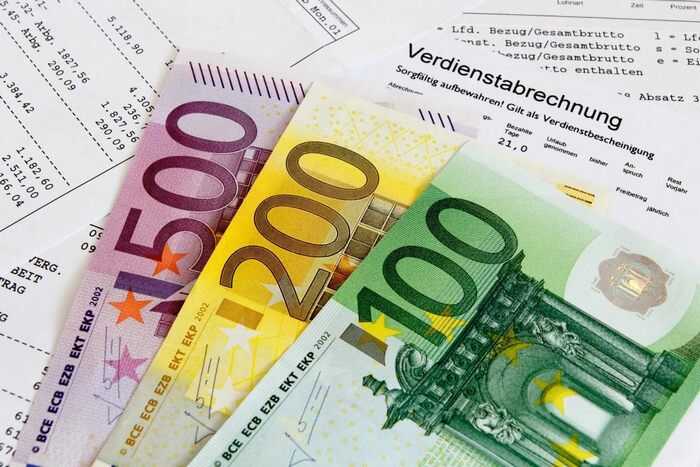
Germans who decide to stay at work after reaching retirement age will be able to earn up to two thousand euros per month without paying taxes. This is one of the key initiatives of Chancellor Friedrich Mertz aimed at overcoming the problem of labor shortages and stimulating economic growth. According to government estimates, the implementation of the measure will cost the state 890 million euros a year from the time it comes into force on January 1, reports Financial Times.
The so-called active pension plan, which was a campaign promise of Mertz, is expected to be supported by his coalition partners from the Social Democratic Party as early as Wednesday. The coalition aims to mitigate the effects of an aging workforce in Germany, as the country’s economy suffers from a shortage of skilled workers after three years of stagnation.
“The German labor market faces structural challenges due to demographic changes. In the coming years, the baby boomer generation will gradually retire, and young people will enter the labor market less and less. This leads to a shortage of qualified workers in many industries, says the draft law.
In Germany, as in most European countries, it is allowed to work after retirement, but the government plans to make it even more attractive with tax breaks. According to forecasts, 4.8 million people will retire by 2035, which is about 9% of the country’s workforce. This will create significant pressure on the economy and social system.
Tax incentives are designed to “ keep experience and knowledge in companies longer” and contribute to “general growth in the level of employment, economic development and increase in state revenues,” the text of the document states.
At the same time, the calculation of possible tax losses in the amount of 890 million euros every year is considered by experts to be rather minimal, which may indicate the cautious expectations of the government regarding the number of potential recipients of this benefit.