
How to prevent ear diseases – useful recommendations and tips
Today, the health of hearing organs is becoming an increasingly relevant topic, as diseases in this area are becoming more and more common.

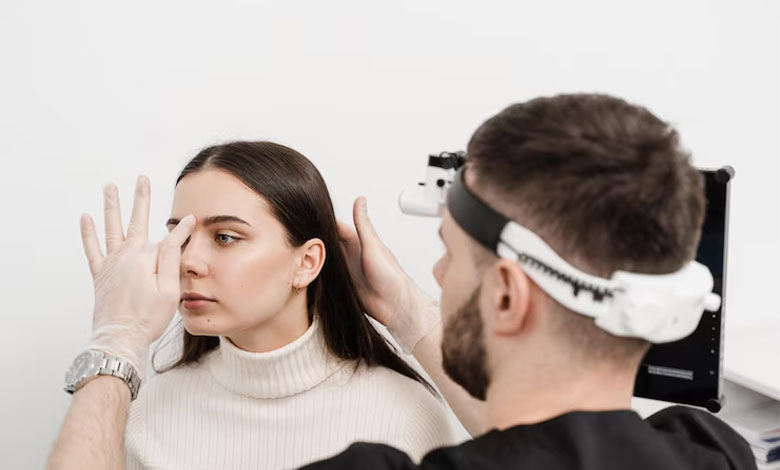
In order to avoid unpleasant consequences and preserve your auditory function, it is necessary to take preventive measures and follow practical advice that will help support the health of the hearing organs.
One of the key aspects of the prevention of hearing diseases is the timely detection and treatment of abnormalities in the auditory system. Prevention begins with awareness of the importance of regular checkups and consultations with specialists. Proper care of the hearing organs will help detect any disorders in time and take appropriate measures for their treatment.
In order to prevent diseases of the auditory system, it is recommended to follow a healthy lifestyle, including regular physical activity and a balanced diet. Healthy food, rich in vitamins and minerals, contributes to the general strengthening of the body, and also has a positive effect on the condition of the hearing organs. In addition, it is important to avoid bad habits, such as smoking and drinking alcohol, because they can negatively affect auditory function and cause the development of diseases.
Prevention of hearing diseases: practical tips and recommendations
The organs of hearing are an integral part of our body, which require special attention and care. To maintain hearing health and prevent diseases, it is necessary to follow certain recommendations and use practical advice.
- Regularly conduct preventive examinations with well-known specialists in the field of otolaryngology. Early detection of hearing problems can be successfully corrected or treated.
- Avoid exposure to loud sounds, especially for long periods of time. Use protective devices such as earplugs or cotton plugs when working or playing at high noise levels.
- Follow the correct method of cleaning the earlobes. Use special products for ear hygiene and do not use sharp objects for cleaning, which can cause damage to the ear canal.
- Avoid using cigarettes and other tobacco products, as nicotine can adversely affect the hearing system.
- A balanced diet with the inclusion of products containing vitamins and minerals helps to strengthen the hearing organs. In particular, it is important to include foods containing omega-3 fatty acids in the diet, such as fish, nuts and seeds.
By following these recommendations and using practical tips, you can maintain hearing health and prevent disease. Remember that hearing preservation is an important aspect of overall health that requires constant care and attention.
Basic rules for preserving hearing
Preventing hearing diseases is an important aspect of preserving our hearing throughout life. Following certain recommendations and practical tips can help prevent hearing problems and maintain hearing quality.
One of the most important rules for preserving hearing is avoiding long-term exposure to loud sounds. Constant exposure to noise can damage your hearing aids, so it is recommended to use protective devices such as earmuffs or headphones when working or in loud places.
Additionally, it is important to avoid using ear sticks to clean the pinna, as this can cause damage to the eardrum or eardrum. Regular cleaning of the ears should be carried out using soft means, such as special solutions or washing with water using special devices.
It is equally important to rule out the possibility of ear injury. When playing sports or other active activities where injury is possible, it is recommended to use protective hats or headphones, which will help to avoid injury to the hearing aid.
- Avoid prolonged exposure to loud sounds.
- Use protective devices when working or staying in noisy places.
- Clean the ears with mild products, avoid using ear sticks.
- Protect your ears from possible injuries during sports or active activities.
Regular ear cleaning from sulfur
One of the most important aspects of preserving hearing is regular cleaning of the ears from accumulated sulfur. Sulfur, or wax, is a natural protective mechanism of the hearing organs, which is produced by the ear glands. It helps retain moisture, protects the ear from bacteria and other infectious agents, and also prevents excessive pressure on the tympanic membrane.
However, accumulated sulfur can cause difficulty hearing, a feeling of ear blockage, a feeling of discomfort and other unpleasant symptoms. Therefore, regular cleaning of the ears from sulfur is an important part of the prevention of diseases of the hearing organs.
| Recommendations and practical tips for cleaning ears from sulfur: |
| 1. Use special ear cleaners. Do not use sharp objects such as pins or cotton buds to clean the ear canal, as this may cause damage. |
| 2. After taking a shower or bath, dry your ears with a soft towel to remove excess water and sulfur. |
| 3. See your doctor or audiologist for professional earwax cleaning if you have earwax build-up that cannot be removed on your own. |
| 4. Avoid using ear drops without a doctor’s prescription, as they may cause irritation or an allergic reaction. |
| 5. Remember that cleaning ears from sulfur should be a gentle and careful process. Do not try to penetrate deeply with ear sticks or other objects, as this may cause damage to the ear canal or tympanic membrane. |
By following these recommendations and practical tips, you will be able to preserve your hearing and prevent the development of hearing diseases. Consult a professional for further advice and professional ear cleaning if you have any doubts or hearing problems.
Limiting the impact of noise on the hearing aid
Ensuring the health of the hearing organs is an important task, as they play a key role in our daily lives. To prevent the development of hearing diseases, it is necessary to take preventive measures and follow recommendations and practical advice.
One of the most important aspects of prevention is limiting the impact of noise on the hearing aid. Constant exposure to a high level of noise can lead to hearing damage and the development of various diseases. Noise can be both an external source and related to working conditions or the use of loud devices.
To prevent the negative impact of noise on the hearing aid, it is recommended to use ear protection, such as special headphones or cotton plugs. These tools will help reduce the level of noise reaching the ears and reduce its negative impact.
In addition, it is important to avoid prolonged exposure to high noise levels. If this is not possible, it is recommended to use special means to help reduce noise, such as noise-cancelling headphones or special noise-canceling devices.
It is also important to properly organize the workplace and comply with sound regulations. Using acoustic screens and other means to reduce noise levels can be an effective way to protect your hearing.
| Recommendations for limiting noise exposure: |
| 1. Use ear protection such as earplugs or cotton plugs. |
| 2. Avoid prolonged exposure to high noise levels. |
| 3. Use noise-canceling headphones or devices if you must work in high-noise environments. |
| 4. Organize the workplace taking into account the reduction of the noise level. |
By following these recommendations and taking preventive measures, you can significantly reduce the risk of hearing diseases and maintain its proper functional state for a long time.
Use of protective devices when working with loud tools
Avoiding hearing problems is one of the key components of prevention of hearing diseases. It is especially important to take precautions when working with loud instruments, as they can adversely affect the hearing system.
To prevent possible diseases and preserve hearing, it is recommended to use protective devices such as headphones or cotton plugs. These devices help reduce the level of noise that reaches the ears, thereby reducing the negative impact on the hearing aid.
When choosing protective devices, you should pay attention to their quality and compliance with safety requirements. It is important that they are tight enough to prevent noise from entering. In addition, it is recommended to use these devices properly by wearing them in the ears properly.
Protective devices help reduce the risk of developing hearing diseases, such as noise injury or hearing loss. They are effective and affordable tools for practical prevention. Don’t forget to use them, especially when working with loud instruments, to preserve your hearing for life.
Prevention of hearing diseases in children
One of the most important aspects of a child’s health is the preservation of his hearing. Prevention of diseases of hearing organs in children is an important task that parents and doctors must perform. Experienced medical professionals recommend following a number of simple tips and taking practical measures to ensure the optimal development of the child’s auditory system.
One of the main ways to prevent hearing diseases in children is proper ear care. Regular cleaning of the auricle from sulfur and dirt helps to avoid inflammation of the ear cavity and other diseases that can affect hearing function. It is also important to avoid injuring the ears by reminding children to be careful when playing and playing sports.
Proper nutrition is another important aspect of preventing hearing diseases in children. The diet should be balanced and varied, with the inclusion of products containing vitamins and minerals necessary for the healthy development of the ear system. Regular consumption of fish, nuts, green leaves and other healthy foods helps strengthen hearing and prevent possible problems.
However, the most important aspect of prevention of hearing diseases in children is the avoidance of harmful factors. The use of headphones with high volume, long-term stay in a noisy environment and exposure to harmful substances on the body can negatively affect the hearing function. Therefore, it is important to limit the use of headphones and provide the child with a calm and safe environment.
- Regular cleaning of the auricle from sulfur and dirt
- Avoiding injury to the ears
- Proper nutrition with the inclusion of useful products
- Avoidance of harmful factors such as loud noise and harmful substances
Restrictions on the use of loud toys
Prevention of hearing diseases is an important component of prevention. One of the important aspects is limiting the use of loud toys, especially in children. Hearing protection from harmful influences is necessary to maintain its normal functioning and health.
Aware of the importance of preserving hearing, it is recommended to limit the use of loud toys, especially those that can be harmful to hearing. Loud volume can damage hearing aids, especially in children, or lead to unforeseen problems in the future.
Instead of loud toys, it is recommended to use toys with natural sounds or sounds that do not exceed a safe volume level. It is also worth paying attention to the age recommendations of manufacturers regarding the use of toys. Ensuring the safety and health of hearing should be a priority when choosing toys for children.
Along with limiting the use of loud toys, it is also important to teach children the proper use of headphones or earphones with a limited volume level. Using headphones at excessive volume can also cause hearing damage. It should be explained to children that they should listen to music or watch videos at a low volume level and periodically take breaks to rest their ears.
Music and TV volume control
In today’s world, when music and television have become an integral part of our lives, it is important to remember the need to control the sound volume to prevent possible diseases of the hearing organs. Proper volume control can provide adequate hearing protection and help prevent hearing problems in the future.
| Tips and practical recommendations |
| 1. Use headphones or clip-on headphones that allow you to listen to music without damaging your hearing. They help keep the sound in the ears, preventing it from scattering around. |
| 2. Limit the amount of time you listen to loud music or watch TV. Don’t forget to take breaks and give your ears a rest. |
| 3. Control the volume level on devices used for listening to music or watching TV. Always use a volume level that is comfortable for you but not harmful to your hearing. |
| 4. Reduce the use of headphones in loud places where you have to turn up the volume to block out outside noise. This can cause the hearing aid to become overstressed. |
| 5. If you feel discomfort or pain in the ears, contact an otorhinolaryngologist for a professional consultation and examination. |
Prevention of diseases of the hearing organs is an important component of maintaining general health. Following guidelines and practical tips for controlling the volume of music and TV can help preserve your hearing for a lifetime.


