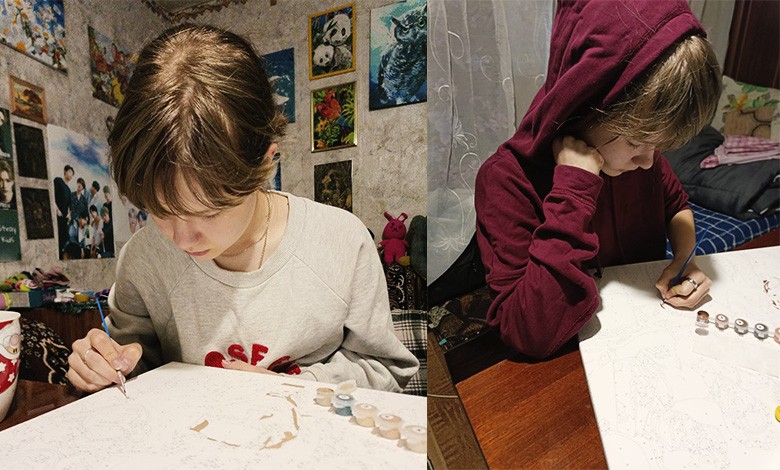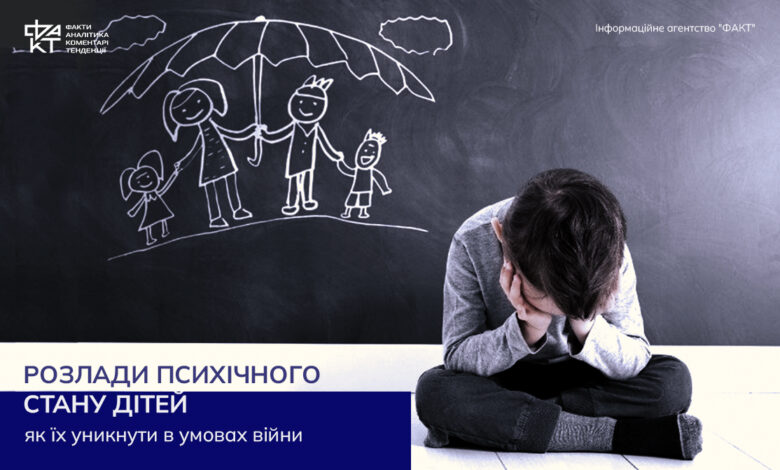
The war came unexpectedly to the homes of Ukrainians back in February 2022, destroying everything in its path and taking away peace. Many impoverished families, destroyed houses, death and despair are always nearby. For many, life is divided into “before and after”.
The increasing roar of an enemy plane can be heard in the air. Children who were playing on the playground just a minute ago fall to the ground, covering their heads with their hands. For several minutes, while the iron Russian bird flew low over the houses, the children lay motionless. Then they get up and quickly run around the houses. Unfortunately, these are the realities of Ukrainian children, filled with terror and constant danger. Our children are growing up under conditions of constant stress, the consequences of which are getting worse every day.
According to the data of the Prosecutor General’s Office, as of the end of May 2024 548 tiny hearts stopped beating forever, at least 1,351 children were injured in varying degrees of severity. Children were most affected in Donetsk (532), Kharkiv (378), Kherson (152), Dnipropetrovsk (139), Kyiv (130), Zaporizhzhya (108) and Mykolaiv (105). However, these data take into account only information from the territories controlled by Ukraine. Therefore, unfortunately, the real number of child victims of war is much higher and continues to grow every day. In addition, as of May 25, 2024, 2021, the child is considered missing as a result of Russia’s war against Ukraine.
You can be a victim of war not only physically, but also mentally. Analytical company Gradus Research conducted a study and found that 75% of young Ukrainians have various symptoms of mental disorders.
What mental disorders did the war cause in children and adolescents
Mortal danger, death of relatives, loss of home, forced relocation, destroyed hometowns, being in places of constant explosions and fires, frequent and long blackouts, inability to communicate with friends and get an education – all these horrors became catalysts that gradually, and sometimes instantly destroy the already fragile and vulnerable children’s psyche.
Ukrainian mothers took part in a social group survey “Rating”. According to the results of this survey, it became known that 38% of children began to show uncontrollable outbursts of anger, and 35% of mothers claim a constant feeling of fear in their children. 39% of children began to show indifference not only to studies, but also to their favorite activities.
According to the results of the clinical-psychopathological study of the Institute of Child and Adolescent Health of the National Academy of Sciences of Ukraine, it was established that of the 940 children who participated in the study, 57.3% have psychogenic disorders, which are signs of obvious psychosis and impaired social functioning. Post-traumatic stress disorder was found in 26.4%; 21.2% have anxiety and depressive disorders, and 2.6% of teenagers have symptoms of reactive depression.
In addition, according to UNICEF and other international organizations, approximately 40% of children living in active combat zones suffer from PTSD. About 70% of children show symptoms of anxiety and depression. About 4 million children had limited access to education due to the destruction of schools or their use as shelters.
Factors of war that destroy children’s psyche
For results research The Institute of Health Protection of Children and Adolescents found that migration, forced relocation, destruction, living in a basement, inability to study at school and communicate with friends, frequent presence in a large crowd of people, loss of relatives – all these factors cause so much strong shocks that it is difficult to imagine how to deal with them. Especially when the parents themselves are in the same atmosphere of tension and uncertainty.
- Trauma and stress. Children who have witnessed or become victims of violence often experience post-traumatic stress disorder. Symptoms include nightmares, flashbacks, increased anxiety and depression.
- Losses and grief. Losing family members or friends can cause deep grief, affecting a child’s emotional and psychological development.
- Disintegration of social structures. The breakdown of normal social ties and infrastructure, including schools, can have a negative impact on children’s socialization and learning.
- Migration and displacement. Forced resettlement causes additional stress as children adapt to new living conditions, losing their familiar surroundings and support.
What help do children need in order to bring back the joy of life and save them from constant anxiety
- Creating a safe environment:
- Provide children with information about safe places to shelter and rules for behavior in times of danger.
- Keep calm, because children sense and take on the emotional state of adults.
- Maintaining stability and routine:
- Maintain normal daily routines as much as possible.
- Regular meals, sleep and study will help children feel stable.
- Engage psychologists to work with children, organize support groups.
- Communication and information:
- Answer children’s questions honestly and simply, according to their age.
- Avoid an excess of information about the war and catastrophic news.
- Emotional support:
- Encourage children to express their emotions through drawings, conversations, and play.
- Be attentive to their needs, let them know that any emotions are normal.
- Physical activity and creativity:
- Support children’s physical activity through games and exercises.
- Encourage creative activities: painting, music, needlework.
- Creating a safe learning environment:
- Ensure the physical safety of children in schools (shelters, safe places).
- Organize classes aimed at reducing stress: meditation, relaxation.
Specialists advise, first of all, not to leave the child alone in the world of fears and disappointments. Only constant support from parents will help to adapt to difficult trials as quickly as possible. It is worth carrying out explanatory work among parents about the symptoms of mental stress and ways to deal with them. Only attention and support in the family circle will give the child such a desired sense of security.
At the end, we will give an example of a family from Vovchan region. In May 2024, Natalya Borysovska, together with her daughters – Tanya and Valya, evacuated from the dangerous territory. The decision to leave her native home was extremely difficult for the woman.
“I myself am not afraid of anything. I’m only afraid for my girls, so I’m doing it just for them.” – Natalya told the journalists of “FAKT” IA.
Natalya enveloped her children with maternal care as much as possible and saved the girls in every possible way from the fears and anxieties brought by the war. The family, like most, is now in difficult living conditions, but Natalya does everything to ensure that her children enjoy life. Tanya showed an interest in music, and Natalya, without thinking twice, did everything to buy a guitar for her daughter. Remembering how actively Valya participated in amateur activities at her native school, Natalya immediately enrolled her daughter in a dance studio. The girls are also actively studying English.
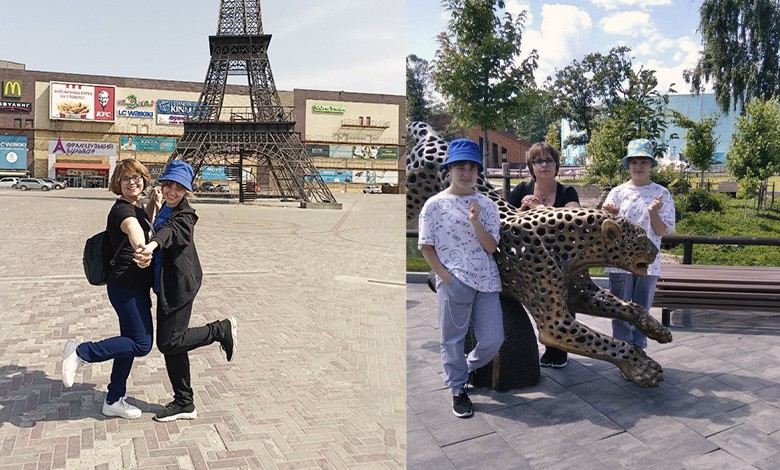
Despite the fact that she has to provide for her family, Natalya always finds time to spend with her children. This woman is a real optimist and tries to surround her girls with an atmosphere of goodness. Sometimes it brings them into contact with animals in the Feldman Ecopark, then it gives children moments of joy in the Central Park. Children’s faces light up with joy in these moments, and all fears go away. Girls develop comprehensively and are constantly interested in something.
“Children should have a happy childhood, no matter what.” – says Natalya.
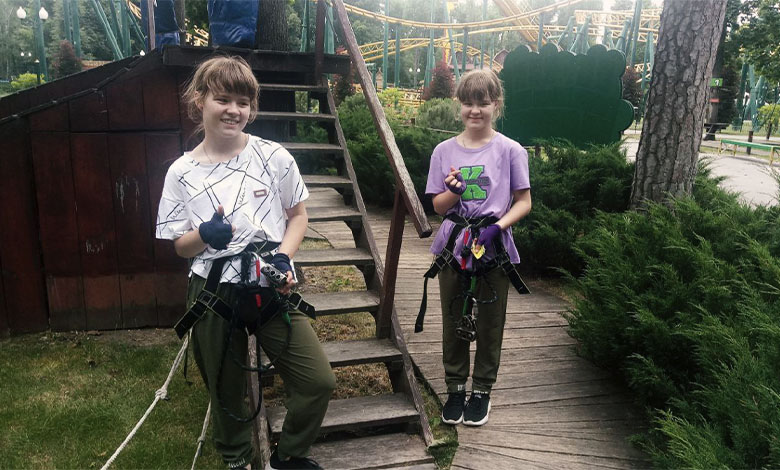
This story of a woman devoted to her family should be an example of how to protect her children from the terrible adjustments that the war brought to our lives.
You should not shut yourself up and wait for danger. You should be attentive and sensitive to your children, create the maximum atmosphere of peace and trust for them. Children are the most vulnerable part of our society. And it is in the family circle that they have to find their saving island.