
Olaf Scholz and Alice Weidel officially nominated as candidates for Chancellor of Germany

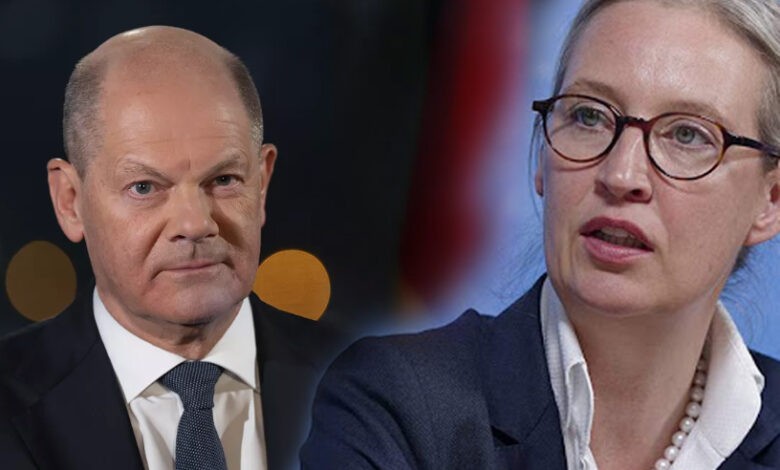
The leader of Germany, Olaf Scholz, and the co-chair of the far-right Alternative for Germany (AlD) party, Alice Weidel, were officially nominated as candidates for the position of chancellor in early parliamentary elections, which are to be held on February 23. It was reported DW and Euronews.
The Social Democratic Party of Germany almost unanimously supported Scholz’s candidacy. Of the 596 delegates to the party congress, only five voted against his nomination. During his speech, Scholz emphasized his ambitious plans, saying that his campaign will surprise those who think they already know the outcome of the election.
At the same time, the right-wing populist Alternative for Germany unanimously nominated Alice Weidel as its chancellor candidate. This decision was adopted at the party congress without a formal vote, by open support of the delegates. Party co-chair Tino Chrupalla said that “Weidel is the future chancellor” and emphasized her role as a leader capable of “making Germany strong, rich and safe again.” In her speech, Weidel called for closing borders and fighting for traditional values.
Alice Weidel is one of the most recognizable figures in the AdN party. With her doctorate in economics and professional experience, she has earned a reputation as a competent expert in financial matters. Her role in the party is also unique in that she is one of the few women in leadership positions in a male-dominated structure.
Currently, in addition to Scholz and Weidel, the leader of the Christian Democratic Union (CDU) Friedrich Merz and Vice-Chancellor Robert Habek from the party “Union 90/Greens” are applying for the post of chancellor.
Earlier, on January 9, American businessman Elon Musk held a public online conversation with Alice Weidel on the X platform. In the conversation, they discussed criticism of “leftism” in German education and the problem of bureaucracy. Musk supported Weidel’s position, agreeing with her claims about the “irrationality of the socialist approach” in Germany’s education system.
Early parliamentary elections in Germany became necessary due to the political crisis that began with the collapse of the governing coalition in November 2024. The culmination of the crisis was the vote on December 16, when the parliament expressed a vote of no confidence in Chancellor Scholz.


