
Pension indexation in March is not for everyone: Hetmantsev criticized the injustice of the pension system

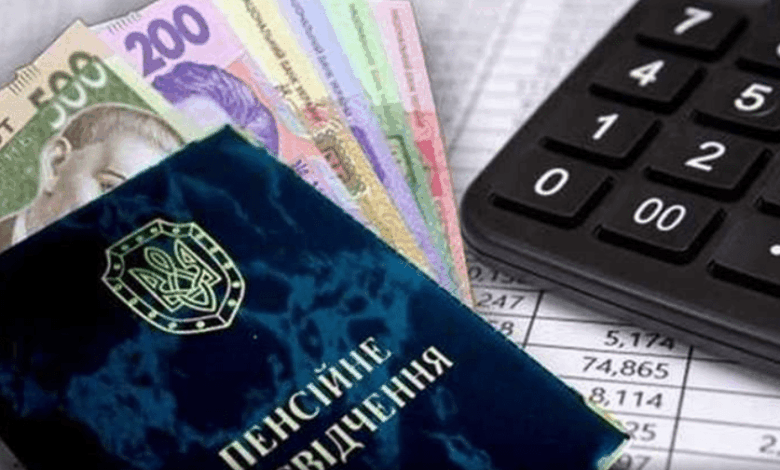
The pension system of Ukraine has been facing the problem of insufficient payments for senior citizens for many years, especially for those who receive minimum pensions. The planned indexation, which takes place every year, does not provide a fair increase in payments, and a significant part of pensioners continues to remain on the verge of survival. Last year, state supplements allowed to raise the minimum pension to 2,595 hryvnias, but this does not solve structural problems and does not compensate for many years of underfunding.
The situation is complicated by the fact that half of Ukrainian pensioners receive less than 5,000 hryvnias per month, and the existing mechanisms for distributing state funds are often not aimed at a real improvement in the financial situation of senior citizens. In addition, some budget programs, although they receive significant funding, do not provide an economic effect, which creates additional inequality in the social sphere.
The planned indexation of pensions in March 2026, which provides for an increase in payments by 12%, has become a reason for criticism of the existing social security system by the head of the parliamentary committee on finance, tax and customs policy, Danylo Getmantsev. He criticized this mechanism, which effectively leaves the pensions of the poorest Ukrainians, whose payments last year, thanks to state subsidies, reached 2,595 hryvnias, unchanged. He emphasizes that this situation reflects the obsolescence of the current approach and does not comply with the principles of social justice, since it does not take into account the long-term underpayments that have accumulated over recent years.
According to Getmantsev, the current pension recalculation system ignores those pensioners who are on the verge of the minimum subsistence level and does not provide an appropriate increase in payments even for people with full insurance experience. As a result, the minimum pension after indexation will be only 3,406 hryvnias, which does not meet the real needs of older people and is not able to cover even basic living expenses. Hetmantsev emphasizes that indexation should not only maintain the stability of payments, but also compensate for years of underfunding, which remain critical for the financial security of pensioners.
The chairman of the finance committee said that he has repeatedly proposed to double the basic minimum pension to 6,000 hryvnias, but the government does not plan to implement this step yet. He emphasizes that the main problem lies in the priorities of the state budget: large sums continue to be spent on programs with low efficiency, in particular on state cashback, which does not provide a tangible economic effect. These resources would be more appropriate to direct to increasing basic payments to pensioners, since about half of Ukrainian pensioners receive less than 5,000 hryvnias per month. Thus, ineffective state programs create additional inequality and limit opportunities for a fair increase in social assistance.
Hetmantsev’s criticism concerns not only the recalculation mechanism, but also the distribution of public funds. He notes that the government continues to spend billions of hryvnias on programs that do not contribute to economic growth and have minimal effectiveness, in particular on state cashback. In his opinion, these resources could be more effectively directed to increasing basic pensions, since about half of Ukrainian pensioners receive less than 5,000 hryvnias per month. Continuing to fund ineffective initiatives does not solve social problems and creates additional inequality between different categories of elderly people.
To create a financial basis for a fair increase in pensions, Hetmantsev proposes a comprehensive approach to redistributing budget funds. He points to the need for a detailed audit of state expenditures, which will allow identifying ineffective programs and reducing their funding. At the same time, he emphasizes the need to abolish special pensions for privileged categories that receive significant payments without economic or social justification. Hetmantsev considers de-shadowing of the economy to be one of the key sources of additional funds, which, according to his estimates, is capable of providing the state budget with at least a trillion hryvnias of additional revenues. Systematic involvement of internal reserves will ensure a fair increase in minimum pensions and support those who need it most.
Hetmantsev plans to submit these proposals for discussion during the next plenary session of parliament, emphasizing the need for a comprehensive approach to social security and a fair distribution of resources. His position focuses on the fact that increasing pensions should not remain formal, but should take into account the real needs of citizens and ensure long-term financial stability for the elderly. Therefore, he proposes to change not only the recalculation mechanism, but also the policy of public spending as a whole, focusing resources on social justice and supporting the most vulnerable categories of the population.


