
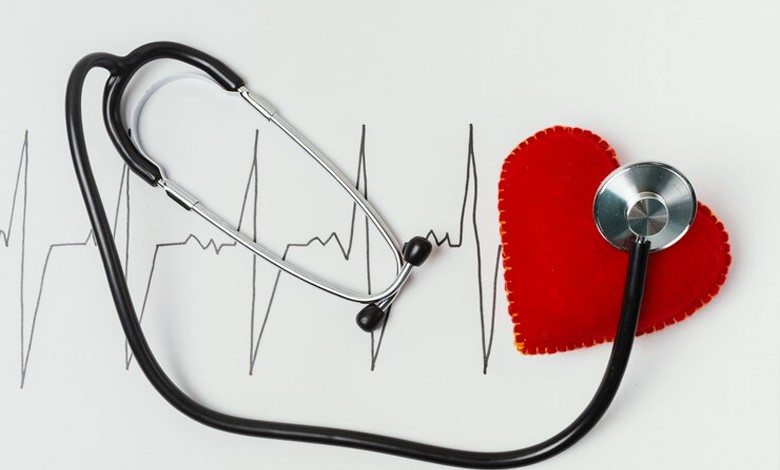
The heart is an undeniable symbol of life, the most important organ of our body, which bears great responsibility for our well-being. However, cardiovascular diseases, such as heart attack, atherosclerosis, arrhythmia, are becoming more and more common in the modern world. To avoid these troubles, it is necessary to take preventive measures and take care of the health of your heart.
One of the most important aspects of cardiovascular disease prevention is a healthy lifestyle. Regular physical activity, a balanced diet and giving up bad habits are the main steps on the way to a healthy heart. Stress, unhealthy diet and lack of physical activity have a negative effect on the heart and can contribute to the development of cardiovascular diseases.
To ensure the best protection for your heart, it is important to follow the recommendations of professional doctors. Regular checkups, blood pressure and cholesterol measurements, and taking the necessary medications if prescribed will help keep your heart in top condition.
A healthy lifestyle is the key to a strong heart
Today, cardiovascular diseases have become one of the most common problems in the world. But did you know that many of these diseases are preventable? Prevention of cardiovascular disease is of great importance, and a key factor is a healthy lifestyle.
Preventing cardiovascular disease includes a variety of recommendations and practical tips that you can easily incorporate into your daily life. First of all, it is important to pay attention to nutrition. The diet should be balanced and varied, with the inclusion of fresh vegetables, fruits, cereals and lean proteins. It is necessary to limit the consumption of fatty and sweet foods, as well as harmful habits such as smoking and drinking alcohol.
In addition to proper nutrition, physical activity is essential for heart health. Regular training helps maintain an optimal weight, improves blood circulation and strengthens the cardiovascular system. It can be walking, running, cycling or classes in a fitness center – the main thing is that the chosen activity is enjoyable and regular.
In addition to proper nutrition and physical activity, it is necessary to pay attention to stressful situations and be able to manage them effectively. Stress can have a negative effect on the cardiovascular system, so it is important to develop relaxation skills, engage in its prevention through meditation, yoga or other techniques.
You should also not forget about regular medical examinations and visits to a cardiologist. Only a specialist will be able to make a comprehensive assessment of your heart health and provide individual recommendations for the prevention of cardiovascular diseases.
- A balanced diet with the inclusion of fresh vegetables and fruits
- Limiting the consumption of fatty and sweet foods
- Giving up bad habits such as smoking and drinking alcohol
- Regular physical activity
- Relaxation skills and stress management
- Regular medical examinations and visits to a cardiologist
Remember that a healthy lifestyle is the key to a healthy heart. The recommendations and practical tips that have been given in this section will help you maintain a strong heart and reduce your risk of cardiovascular disease. Take care of your health today!
Regular physical activity for heart health
Physical activity is an important component of prevention of cardiovascular diseases. Daily physical activity helps to strengthen the cardiovascular system and prevent the development of diseases. Regular exercise helps reduce the risk of heart problems and improves the overall health of the body.
The optimal amount of physical activity for heart health is at least 150 minutes of moderate intensity or 75 minutes of intense training per week. Moderate exercise includes walking, swimming, cycling, dancing, etc., which increase heart rate and breathing but do not cause severe overexertion. Intense workouts, such as running, jumping rope or aerobics, require more physical strength and increase the heart rate.
- Regular physical activity improves blood circulation, strengthens the heart muscle and lowers blood pressure.
- Physical activity helps reduce the level of bad cholesterol in the blood and increase the level of good cholesterol.
- Exercise helps control weight and prevents obesity, a risk factor for heart disease.
- Regular physical activity helps reduce stress and improve mood, which has a positive effect on the cardiovascular system.
Before starting a new exercise program, it is important to consult a doctor for recommendations and a physical assessment. It is necessary to gradually collect the load, start with light exercises and gradually increase their intensity. Training should be regular and consistent with your capabilities. Remember that regular physical activity is the key to a healthy heart and prevention of cardiovascular diseases.
Healthy Eating
To maintain heart health and prevent cardiovascular disease, it is important to pay attention to your diet. Nutrition affects the state of the cardiovascular system and can be an effective means of disease prevention.
The main dietary recommendation for heart health is the rational consumption of products. It is important to include in the diet a sufficient amount of vegetables and fruits, which contain a large amount of vitamins and minerals necessary to support the functioning of the heart. Also, you should limit the consumption of products that contain a large amount of salt, sugar and saturated fats, since these substances can have a negative effect on the cardiovascular system.
For a healthy diet, it is recommended to consume a sufficient amount of proteins contained in meat, fish, eggs and dairy products. In addition, foods that contain unsaturated fats, such as fish, olive oil and nuts, should be included in the diet, as these substances contribute to lowering the level of harmful cholesterol in the blood and reducing the risk of developing cardiovascular diseases.
Along with proper nutrition, it is important to remember about regular physical activity. Performing physical exercises improves blood circulation, strengthens heart muscles and reduces the risk of developing cardiovascular diseases. It is recommended to perform daily physical exercises lasting at least 30 minutes.
In general, a healthy diet is an important element in the prevention of cardiovascular diseases. Taking into account the recommendations on the rational consumption of products, the inclusion of proteins and unsaturated fats in the diet, as well as ensuring sufficient physical activity, it is possible to preserve the health of the heart and reduce the risk of cardiovascular diseases.
Rejection of bad habits
One of the key aspects of preventing cardiovascular diseases is the rejection of bad habits. This is an important step in maintaining heart health and preventing the risk of developing cardiovascular diseases.
Harmful habits such as smoking and drinking alcohol can seriously undermine heart health. Smoking contributes to the narrowing of blood vessels, increases blood pressure and the risk of blood clots. Alcohol can cause blood vessels to dilate, heart rhythm disturbances and increase cholesterol levels.
For the health of the heart, it is important to make a decision to completely abandon these harmful habits. Instead, it is recommended to focus on a healthy lifestyle and the implementation of positive habits.
Positive habits
One of the most important practical tips for heart health is regular physical activity. It improves blood circulation, maintains a normal heart rhythm and helps lower cholesterol levels. It’s important to include exercise or an activity you enjoy, such as walking, swimming, or yoga, in your schedule.
A healthy diet is also important for heart health. A balanced diet rich in vegetables, fruits, fish, whole grains and low-fat dairy products is recommended. It is worth limiting the consumption of products containing a large amount of saturated fat, salt and sugar.
Avoiding stress and getting enough rest are also important factors for heart health. Try to find a way to relax and engage in a hobby that will help relieve tension and calm the nervous system.
Giving up bad habits and introducing positive habits are important steps in the prevention of cardiovascular diseases. Following these recommendations and practical tips will help maintain heart health and reduce the risk of developing heart disease.
Control of risk factors to prevent heart disease
One of the most important aspects of the prevention of cardiovascular diseases is the control of risk factors. Prevention of these diseases involves adopting recommendations and applying practical strategies to maintain heart health.
One of the key risk factors to consider is poor nutrition. It is important to include in the diet foods that promote heart health, such as vegetables, fruits, fish, and olive oil. In addition, you need to limit the consumption of foods that contain a large amount of saturated fat, trans fat and cholesterol.
Insufficient physical activity is also an important risk factor. Regular exercise that includes aerobic exercise can support heart health and strengthen its function. At least 30 minutes of vigorous exercise such as walking, running or swimming is recommended every day.
Smoking is one of the biggest risk factors for cardiovascular disease. Even a small amount of nicotine, which is contained in cigarettes, can cause significant damage to the heart and blood vessels. Quitting smoking or using nicotine replacement therapy can help reduce your risk of developing heart problems.
Diabetes and high blood pressure are also serious risk factors for heart disease. People with these problems need to monitor their blood sugar and blood pressure regularly, and follow their doctor’s recommendations for treatment and diet.
| Risk factors | Recommendations |
| Improper nutrition | Include vegetables, fruits, and fish in your diet; limit your intake of saturated fat, trans fat, and cholesterol. |
| Insufficient physical activity | Perform daily aerobic exercise for 30 minutes. |
| Smoking | Quit smoking or use nicotine replacement. |
| Diabetes and high blood pressure | Monitor your blood sugar and blood pressure regularly; follow your doctor’s recommendations. |
Blood pressure control
One of the important aspects of the prevention of cardiovascular diseases is blood pressure control. Constant high blood pressure can cause heart disease and lead to serious complications. Therefore, it is very important to take measures to prevent this condition and ensure the health of the heart and blood vessels.
One of the ways to control blood pressure is a healthy lifestyle. Regular physical activity, a balanced diet and avoiding harmful habits such as smoking and alcohol consumption can help reduce the risk of cardiovascular disease. In particular, activity strengthens the heart muscle and improves blood circulation, while a healthy diet reduces excess weight and maintains normal cholesterol levels in the body.
In addition, it is important to regularly measure and monitor blood pressure. If deviations from the norm are detected, you should consult a doctor for recommendations and the appointment of the necessary treatment. In some cases, to maintain normal blood pressure, drugs can be prescribed that reduce pressure and prevent the development of cardiovascular diseases.
In general, blood pressure control is an important component of cardiovascular disease prevention. Consistent adherence to healthy lifestyle recommendations and regular blood pressure monitoring will help preserve the health of the heart and blood vessels and prevent serious complications.


