Another fraudulent scheme related to the appropriation of charitable contributions intended for the Armed Forces of Ukraine was exposed in Kyiv. This was reported by the Security Service of Ukraine on April 22.
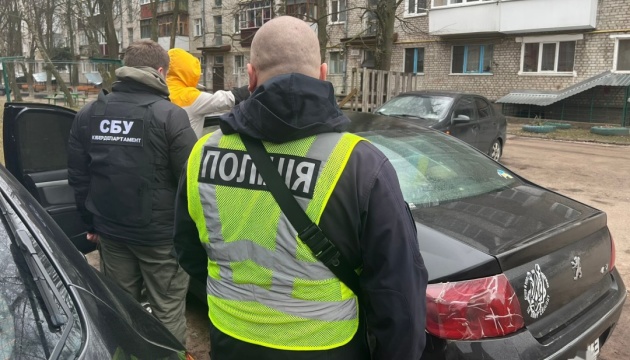
According to law enforcement officials, the SBU and the National Police detained participants in the transaction who took possession of almost 1.5 million UAH paid by Ukrainian volunteers for FPV drones and ammunition for the needs of the front.
The organizer of the scheme was a Kyiv-based entrepreneur who was engaged in online sales of components for UAVs and military equipment. He created a website and an Instagram page where benefactors could order drone systems for the Armed Forces of Ukraine. On these resources, the defendant also promised potential customers fast and high-quality supplies of military products. After receiving payment, the attacker either sent customers defective goods or simply appropriated the money and stopped contacting them.
To hide his criminal activities, the businessman used the bank details of his acquaintances, and transferred the received funds into cash through accomplices. Among them were the manager, accountant, and controlled “individual entrepreneurs” of the commercial structure of the organizer of the scheme.
Law enforcement officers gradually documented the fraudulent activities and detained the main defendant at his place of residence. During the search, a smartphone, documentation, and seals with evidence of crimes were seized from him.
The suspect faces up to 12 years in prison with confiscation of property. An investigation is currently underway to bring to justice all persons involved in the fraud with volunteer funds.
Previously, investigators of the Main Investigation Department of the National Police of Ukraine, together with operatives of the Cyber Police Department and the Security Service of Ukraine, exposed a scheme in the Kharkiv region. According to the police, it was organized by brothers from the Odessa region, who used the victims’ personal data, misled them, and gained access to their bank accounts.
The fraudsters convinced the military that funds should be deposited into their accounts, but due to “technical problems” they were not being credited. To “solve the problem,” they lured one-time codes from SMS, thanks to which they gained full access to online banking and control over the accounts.