Strengthening safety standards in schools and kindergartens: new requirements for job candidates

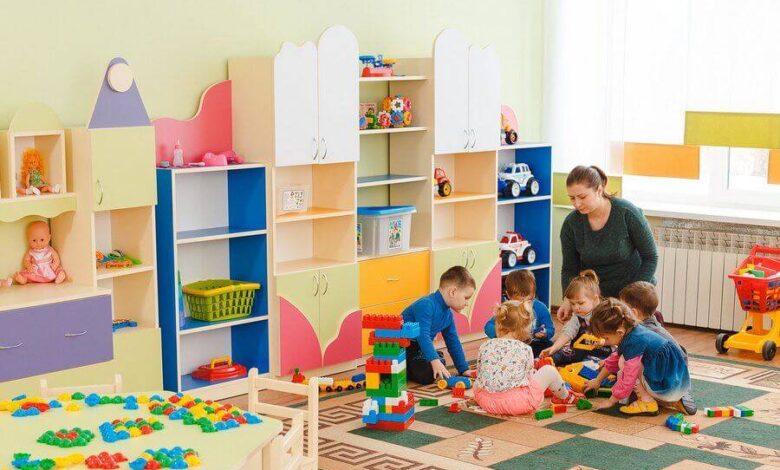
In times of war, there has been a noticeable increase in cases of violence against children, as well as manifestations of cruel treatment of them in childcare facilities. These trends emphasize the need for extremely careful selection of personnel for work in schools and kindergartens, because it is teachers and educators who are directly responsible for the safety, psychological comfort and development of children. Therefore, state authorities have decided to introduce additional criteria for evaluating candidates for positions in educational institutions, which include checking for criminal records and administrative offenses related to violence or child abuse.
The verification mechanism and its legal basis
Ukraine has established stricter criteria for individuals seeking to work in schools and kindergartens: now candidates will be required to have a certificate confirming the absence of criminal records and offenses related to bullying or child abuse. This decision was approved at a meeting of the Cabinet of Ministers, as reported by the Ministry of Education and Science.
The new requirements stipulate that persons wishing to work with children must provide a certificate of no criminal record and no offenses related to violence, bullying, or violation of child-rearing duties. Documents of this type can be generated through the electronic service “Diya”, which simplifies the process of obtaining official confirmation and allows you to avoid bureaucratic delays.
Persons may be disqualified from working with children if they have a criminal record for criminal offenses against children or have been held administratively liable for domestic violence or other violations that negatively affect the safety of children. This provision implements Ukraine’s international obligations, in particular the UN Convention on the Rights of the Child, and is aimed at creating a safe educational environment.
Practical consequences for educational institutions
The implementation of new standards affects not only the recruitment process itself, but also the organization of the work of institutions in general. Laws and regulations provide for the installation of panic buttons in schools and kindergartens to promptly call law enforcement in the event of a threat, as well as mandatory fencing of the territory and clear definition of the boundaries of the institution. These measures allow for access control and increase the level of safety for children and teachers.
The new rules also contribute to raising professional standards among employees of educational institutions, as the requirement for moral responsibility and personal reputation of the candidate increases. In the context of modern challenges associated with war, social instability and increased risks of violence against children, these measures become an integral part of the system for protecting children’s rights and healthy development.
Significance for children and society in wartime
Increasing requirements for school and kindergarten employees directly affect the safety and psychological state of children, which is especially important during wartime, when they are exposed to increased risk of violence and stress. Thorough screening of candidates and denial of employment to individuals with criminal records or cases of abuse ensures protection of the most vulnerable part of the population and creates a more stable and predictable environment for learning and development.
For society, such changes shape standards of responsible upbringing and training of teachers, increase parents’ trust in educational institutions, and stimulate professional development of staff with a focus on ethics, psychological literacy, and child safety. In the future, the implemented system of personnel verification and technical security measures can become the basis of a comprehensive approach to child protection, where moral responsibility and professional ethics determine the level of safety and effectiveness of the educational process even in the most difficult conditions.