The European Parliament is preparing to vote on a resolution on a special tribunal for Putin

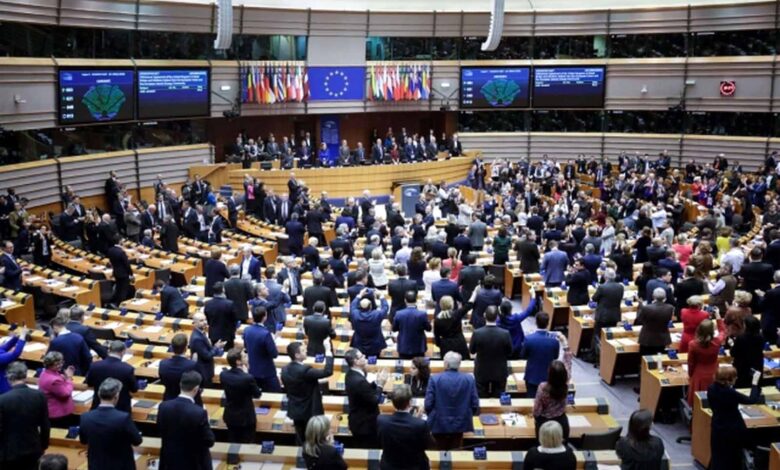
On April 30, the European Parliament plans to adopt a resolution on ensuring accountability for Russia’s ongoing attacks on the civilian population of Ukraine during its plenary session in Strasbourg. The key point of the document is a call for the rapid implementation of the Special Tribunal for the Crime of Aggression. The vote is scheduled for the afternoon session of the parliament.
The draft resolution envisages the signing by the European Union of the Extended Partial Agreement on the Special Tribunal, which will allow the institution to acquire full membership in its steering committee.
MEPs also plan to call on all member states of the bloc to join this initiative to consolidate the efforts of international justice. Particular attention is paid to the readiness of the Netherlands to host the initial phase of the tribunal’s work on its territory.
“The European Parliament calls on the EU and its member states to continue to support the establishment of the Special Tribunal for the Crime of Aggression against Ukraine and to bring it into operation as soon as possible,” the text of the document emphasizes.
A separate aspect of the resolution is the requirement to ensure sustainable funding for the International Center for the Prosecution of the Crime of Aggression after December 2026. This is necessary to guarantee the preservation and full transfer of the collected evidence to the future judicial body. European lawmakers emphasize that justice must catch up not only with Russia’s top political and military leadership, but also with representatives of the legislative and judicial branches of government.
“Responsibility must also extend to judges of the Constitutional Court of the Russian Federation and members of the State Duma whose decisions sanctioned the annexation of Ukrainian territories,” the authors of the draft concluded.
The process of creating an international judicial mechanism continues to scale. The Czech Republic and Greece recently announced their accession to the agreement, bringing the number of signatory countries to 33. The next important stage will be the meeting of the Council of Europe in Chisinau in mid-May, where the formal formation of the steering committee of the future institution is planned.
The approval of the resolution by the European Parliament will be a powerful signal to the world community that punishment for violations of international law is inevitable. The final decision of the deputies in Strasbourg should lay the legal foundation for the transition from the preparatory stage to the full functioning of the tribunal.