The Japanese company Obayashi Corporation plans to build an elevator into space by 2050


Tokyo-based construction company Obayashi Corporation, known for ambitious projects such as the world’s tallest TV tower Tokyo Skytree, has announced plans to build a space elevator by 2050. Previously considered science fiction, this project aims to revolutionize space travel and cargo transportation.
According to information Business Insider, the cost of construction will exceed 100 billion dollars, and the process itself will take more than two decades. Obayashi Corporation is actively looking for partners among corporations and scientific institutes to implement this large-scale project.
Technical challenges and potential benefits
The idea of a space elevator causes lively discussions in the scientific community. One of the main challenges is to create a material of sufficient strength and length to withstand the load and reach geostationary orbit (36 thousand kilometers). Obayashi Corporation plans to use carbon nanotubes, but so far has not been able to create filaments of the required length.
Other challenges include protecting the elevator from weather conditions and potential terrorist attacks. However, the company is confident that these engineering challenges can be solved.
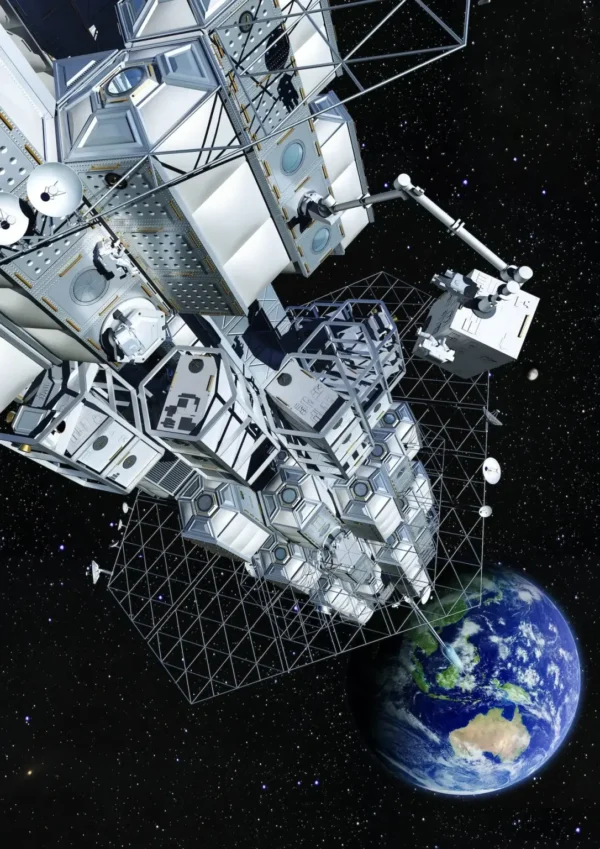
If the project is implemented, the space elevator can significantly reduce the cost of delivering cargo to orbit – up to 50-500 dollars per kilogram, which is much cheaper than the current prices for launching rockets. In addition, the elevator will be a safer and more environmentally friendly option than traditional launch vehicles.
There is a long way ahead
Although the idea of a space elevator captures the imagination, there is still a long way to go before it becomes a reality. The Obayashi Corporation project is a bold step into the future of space travel, but its success will depend on solving numerous technical and financial problems. The world will be eagerly watching the development of this ambitious project, which could change the way we think about access to space.