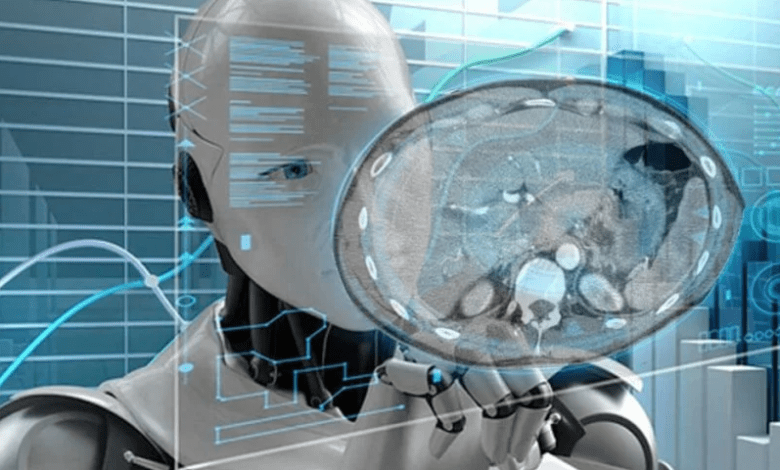
The scientists presented an innovative model of artificial intelligence ECgMLP, capable of detecting oncological diseases with an extraordinary accuracy of 99%. About this informs BGR.
The technology significantly exceeds previous models, whose accuracy did not exceed 80%. ECgMLP consumes fewer resources, making it faster and more accessible to use.
The model enhances the image and removes unnecessary noise, which allows you to focus on the most informative tissue areas. The built-in mechanisms of self-analysis provide quick analysis of samples and the formation of diagnostic forecasts with striking accuracy. During testing, the system demonstrated high efficiency in detecting rectal cancer (98.57%), breast cancer (98.2%) and oral cavity cancer (97.34%).
The developers emphasize the versatility of ECgMLP and the prospects for its use in medicine. The technology is planned to be integrated into clinical software to support drug decisions and improve treatment outcomes through early diagnosis. Large-scale implementation is still to come, but this development is an important step in the fight against cancer.
We will remind that in October 2024, researchers at Harvard Medical School developed a new model of artificial intelligence capable of performing a wide range of tasks in cancer diagnosis. The model was named CHIEF (Clinical Histopathology Imaging Evaluation Foundation) and became the first to combine versatility and high accuracy in detecting various oncological diseases.
This system works on the principle of large language models, similar to ChatGPT, but specializes specifically in the diagnosis of cancer. CHIEF analyzes images of tumor tissues, predicts the molecular characteristics of the tumor, and evaluates the likely response to treatment. The model has already been tested on 19 types of cancer, and it has shown high results.