
The role of psychology in the development of creative potential – influence, methods and strategies

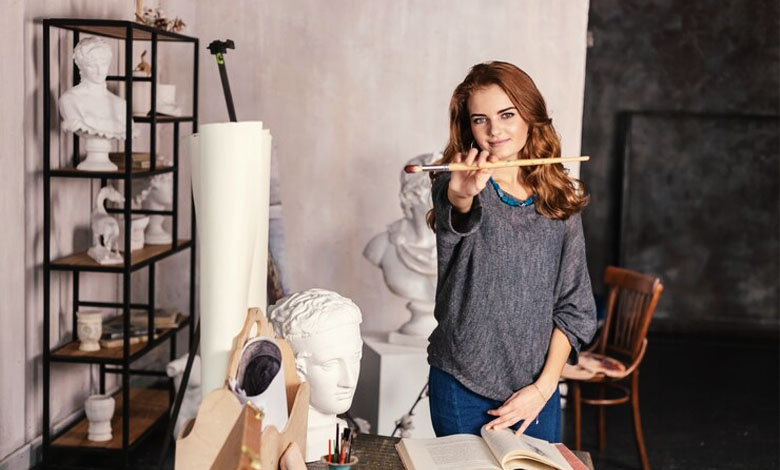
The uniqueness and inimitability of each person lies in his creative potential. This is an indisputable fact recognized by both psychologists and scientists from other fields. Creative potential reflects the inner essence of a person, his ability to create new ideas, develop imagination and creative thinking. This potential can be realized and developed with the help of psychology, which plays an extremely important role in this process.
The impact of psychology on the development of creative potential lies in the fact that it contributes to the disclosure and expansion of human capabilities in the field of creativity. Psychology helps an individual to understand himself, his strengths and weaknesses, to discover the potential that can be realized in creative activity. It helps to develop creative abilities and skills, revealing new ways of thinking, imagining and perceiving. Psychology makes it possible to understand that creativity is not only a professional activity, but also a way of life that can be accessible to every person.
The methods and strategies used by psychologists to develop creative potential are based on the study of the individual characteristics of each person. They are focused on stimulating creative thinking, developing imagination and perception, as well as teaching new techniques and techniques that help bring ideas to life. Psychology provides tools for self-development and self-improvement, which contributes to the growth of creative potential and the achievement of new peaks in creativity.
The influence of psychology on the development of creative potential
The relationship between psychology and the development of creative potential is an integral part of the process of self-realization and success in creative fields. Psychology affects the development of creativity, providing an individual approach to each person, contributing to the discovery and development of their potential.
- The influence of psychology on creative potential lies in the understanding and use of psychological principles and methods that contribute to the development of creative abilities.
- Psychology helps to identify and reveal the potential in each person, helps to understand one’s own strengths and weaknesses, as well as to identify and work on those aspects that contribute to the development of creativity.
- Strategies of psychology include various methods, such as stimulation of creative processes, development of critical thinking, promotion of self-expression and self-realization.
- In psychology, there are many techniques and approaches that contribute to the development of creative potential, such as relaxation techniques, creative thinking techniques, creativity stimulation techniques, etc.
The influence of psychology on the development of creative potential lies in the understanding and use of psychological principles and methods that help reveal the potential of each person. This can be achieved through the use of various strategies that stimulate creative processes, develop critical thinking and promote self-expression. The use of various techniques and approaches, such as relaxation techniques, creative thinking and creativity stimulation, can also promote creativity. Therefore, psychology has a great influence on the development of creativity and helps every person to reveal his potential in creative fields.
The importance of the psychological factor in the development of creativity
The psychological factor plays an important role in the development of creative potential. Psychology investigates the relationship between mental processes and human behavior, and also reveals the mechanisms that contribute to the development of creative abilities. The influence of psychology on creative potential lies in the understanding of personality characteristics, the formation of positive motivation and the creation of a favorable psychological climate for the development of creativity.
One of the ways in which psychology influences the development of creative potential is to understand the characteristics of the individual. Each person has their own unique combination of characteristics that influence their creativity. For example, some people may be more inclined to intuitive thinking, which contributes to the generation of new ideas and non-standard solutions. Others may have a strong emotional awareness that helps them feel depth and expressiveness in their writing. Understanding these features allows psychologists to create individual approaches to the development of the creative potential of each person.
Positive motivation is another important aspect that affects the development of creativity. Psychology helps to identify and support an individual’s inner motivation, which is a key factor in stimulating creative abilities. The more a person feels pleasure and satisfaction from his creativity, the more likely he will develop his creative potential and reach new heights.
Creating a favorable psychological climate also affects the development of creativity. This means creating conditions where a person feels supported, recognized and able to express their ideas without fear of criticism or judgment. Psychology helps to develop communication and cooperation strategies that promote creative exchange of ideas and joint development. This psychological aspect is the basis for the formation of a positive creative environment where talent can flourish.
| The influence of psychology on the development of creative potential |
| Understanding personality traits |
| Positive motivation |
| Creating a favorable psychological climate |
The relationship between motivation and emotional state in the creative process
Motivation and the emotional state of the individual play a big role in the development of creative potential. These two factors interact with each other and have a significant impact on the process of creative thinking and the discovery of creative abilities.
Motivation in the creative process is a key element that prompts a person to act and be active. It can be internal (personal goals, values) or external (awards, recognition). Motivation determines the direction and intensity of the creative process, stimulates the search for new ideas and ways of development.
The emotional state of a person is also important in the creative process. It affects perception, attention and concentration, as well as the choice and implementation of creative ideas. Positive emotions help reveal creative potential, increase motivation and stimulate self-improvement. At the same time, negative emotions can hinder the creative process, reduce productivity and the quality of the result.
| Motivation | Emotional condition |
| Internal | Positive |
| External | Negative |
Thus, motivation and emotional state form a relationship that contributes to the development of creative potential. Understanding and managing these factors allows you to maintain high productivity of the creative process and achieve high-quality results.
Psychological aspects of the development of creative potential: relationship, influence and strategies
In today’s world, a person’s creative potential is one of the key factors of success and self-realization. Psychology plays an important role in developing this potential, exploring its impact on personal growth and social progress. This section of the article is devoted to the consideration of psychological methods and strategies that contribute to the activation and disclosure of the creative potential of an individual.
One of the important aspects of the development of creative potential consists in establishing the relationship between the psychological characteristics of an individual and his creative abilities. Psychologists emphasize that psychological features such as creativity, flexibility of thinking and emotional endurance are key factors that influence the development of creative potential. The application of psychological methods allows to identify and develop these features, thereby contributing to the disclosure of the creative potential of the individual.
One of the methods that has a significant impact on the development of creative potential is the stimulation of creative thinking. This approach involves the use of various techniques and exercises that contribute to the expansion of the boundaries of traditional thinking and the discovery of new, non-standard solutions. It is important to note that stimulating creative thinking requires training and continuous improvement, which is implemented through psychological methods and strategies.
Another effective psychological method for developing creative potential is promoting the development of emotional endurance. This involves the formation of psychological resistance to stressful situations, the ability to maintain internal harmony and a positive attitude regardless of external circumstances. The development of emotional endurance helps the individual to better cope with difficulties and changes, which contributes to the activation of creative potential and the achievement of higher results.
| Psychological methods | Strategies |
| Stimulation of creative thinking | Formation of psychological stability |
| Development of flexibility of thinking | Promoting self-expression |
| Support for emotional well-being | Development of self-control |
The relationship between psychology and the development of creative potential
In understanding the development of creative potential, it is important to consider the relationship with psychology. This relationship reflects the importance of psychological factors in the formation and development of creative abilities. Psychology acts as a key tool that helps reveal the potential of an individual in creativity.
Creative potential – is a set of internal capabilities and resources of an individual that allow him to express himself in creative activity. This potential consists of various elements such as imagination, intuition, associative thinking and other psychological processes. The development of creative potential requires the study of psychological patterns that affect the creative process.
It is important to note that the development of creative potential includes not only the acquisition of technical skills and knowledge, but also the understanding of the psychological aspects of creativity. The role of psychology consists in studying and revealing the internal reserves of the individual, which contribute to the development of creative abilities. It helps to discover and develop potential that may be hidden or underdeveloped.
One of the main aspects of the relationship between psychology and the development of creative potential is this psychological preparation. It is a process that includes understanding oneself, one’s emotions, thoughts and beliefs, as well as the ability to manage one’s psychological reactions. This training allows a creative person to better cope with creative challenges and stressful situations that may arise during the creative process.
Another aspect of the relationship is psychological support. In the process of developing creative potential, it is important to have support and guidance from a psychologist. This helps to reveal and develop one’s own creative abilities, and also provides psychological comfort in creative activities. Psychological support contributes to the positive development of creative potential and ensures psychological harmony in the creative process.
Therefore, the relationship between psychology and the development of creative potential is an integral part of successful creative activity. Understanding psychological aspects and using psychological strategies helps to develop creative potential and achieve high results in creativity.
The influence of creativity on the psychological state of a person
Creativity is of great importance for the development of human potential and the psychological state of the individual. It helps to reveal internal reserves and achieve personal growth. The influence of creative activities on the psychological state of a person is an extremely important factor that contributes to the harmonious development of the individual.
Creativity allows us to express our feelings, thoughts and ideas, and to develop our own abilities and skills. It promotes self-expression, increases self-esteem and self-confidence. In addition, creativity helps relieve stress, improve mood and relieve psychological tension.
Creativity also affects our creativity and ability to innovate. It expands our thinking, activates the creative potential of the brain and promotes the development of intelligence. People who engage in creative pursuits often have more flexible thinking, better developed associative abilities and problem-solving abilities.
Thus, creativity has a great influence on our psychological state. It contributes to personality development, improvement of well-being and ability to express oneself. Therefore, it is important to give every person the opportunity to develop their creative potential and do what brings them pleasure and joy.


