The US and Qatar are negotiating the purchase of Ukrainian P1-SUN interceptor drones to combat the “Shaheeds”

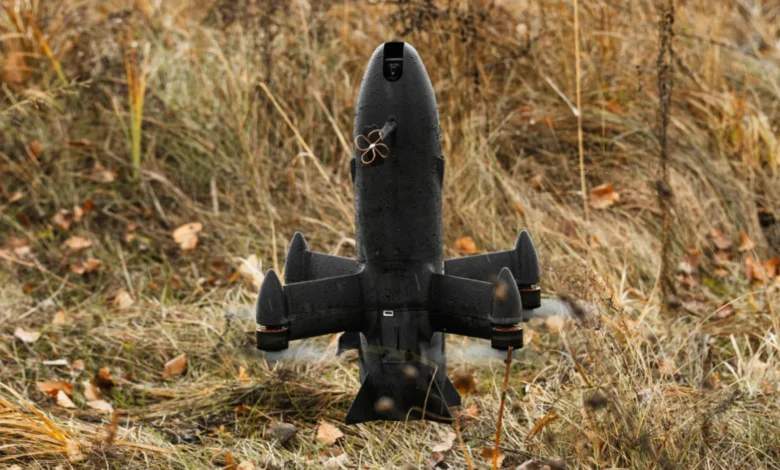
The United States and Qatar have begun negotiations on the purchase of Ukrainian P1-SUN interceptor drones designed to destroy Iranian Shahed drones. Interest in such systems arose against the backdrop of the aggravation of the situation in the Middle East and attacks by Iranian drones on US allies in the Persian Gulf. This was reported by Reuters.
Ukrainian drone manufacturers say they have the capacity for large-scale exports of their products. According to them, the demand for such systems is growing from the United States and Middle Eastern countries, which are looking for effective means of countering attack drones. Ukraine, for its part, seeks to use its own combat experience to strengthen cooperation with allies.
According to a Reuters source, negotiations on the purchase of Ukrainian interceptors are already underway between the United States and Qatar. Drone manufacturer SkyFall reported that its production capabilities already exceed the volume of purchases from Ukraine, so the company is ready for export.
SkyFall noted that their P1-SUN interceptor has shot down more than 1,500 Shahed drones and about 1,000 other drones in four months of operation.
“The company is ready to provide any necessary assistance if we receive the green light from our government. Deliveries abroad are possible only if this does not affect Ukraine’s defense capabilities,” said a SkyFall representative.
Executive Director of the Ukrainian Council of Arms Manufacturers Ihor Fedirko noted that manufacturers interceptor drones and other anti-drone systems are currently producing about twice as much equipment as the Ukrainian military needs to counter Russian attacks.
SkyFall estimates that the company is capable of producing up to 50,000 interceptors per month. Of this volume, the company could export 5,000 to 10,000 drones per month without harming the needs of the Ukrainian army.
Most Ukrainian interceptor drones cost only a few thousand dollars or even less. For comparison, a PAC-3 missile for the Patriot air defense system can cost about $4 million, while the Iranian Shahed-136 drone is estimated at about $50,000–100,000.
SkyFall positions the P1-SUN as a cost-effective means of combating drones. Depending on the configuration, its cost for the Ukrainian military is about $1,000 per unit, but for export the price is likely to be higher.
At the same time, industry representatives note that the main obstacle to the use of Ukrainian interceptors in the Persian Gulf countries is the training of pilots. Currently, Ukraine has the most experience in the combat use of such systems.
SkyFall has its own academy, where new drone operators are trained during a three-week course. The company said it is ready to send its instructors to other countries if the Ukrainian government allows the sale of drones abroad.
In addition, SkyFall reported the development of remote control systems for drones, which theoretically allows them to be controlled even at a long distance. Thanks to this, operators will potentially be able to control drones in the Persian Gulf region from the territory of Ukraine.