The US has approved the first-ever injection against HIV, which provides protection for six months with an effectiveness of 99.9%.

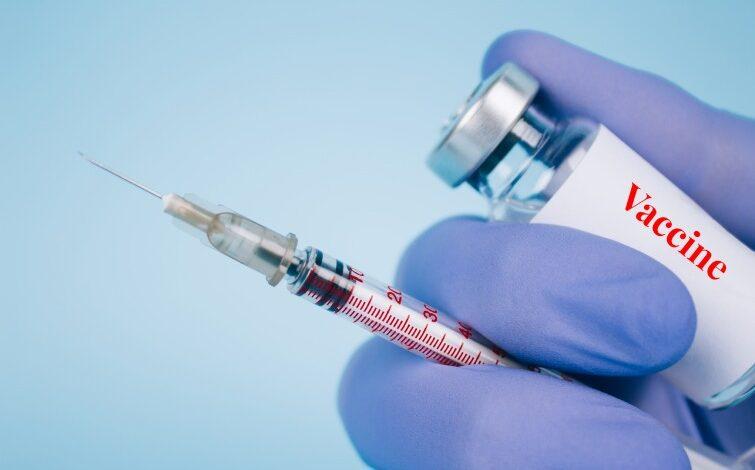
In the United States, for the first time, a unique drug for the prevention of HIV infection, which is administered only twice a year, has been approved. It is about the injectable lencapavir, developed by the biopharmaceutical company Gilead Sciences, which, according to the results of clinical trials, provides protection against infection with an efficiency of 99.9%. The news became the subject of discussion among the medical community, because it is about the possibility of a fundamental change in approaches to HIV prevention.
As writes The Independent, studies have confirmed that lencapavir shows better results than traditional drugs taken daily. Trial participants who received the injection had almost zero risk of infection, unlike those who relied on the daily pill, which could be accidentally missed.
Greg Millett, director of public policy at the Foundation for AIDS Research (amfAR), said the drug “can really stop HIV transmission.” Although the use of condoms remains an effective method of protection, the method of PrEP – preventive use of antiretroviral drugs before possible contact with the virus – is gaining wider acceptance. Lencapavir is currently the longest-lasting form of such protection.
The injection lasts for six months, making it particularly convenient for those who have limited access to health care or are embarrassed to take medication daily due to social pressure or stigma. The drug itself is already known in medical form under the trade name Sunlenca, but the prophylactic version will receive a new name – Yeztugo.
It is injected subcutaneously into the abdominal area with two injections, which form a small seal under the skin – a “bump”, from which the active substance is slowly absorbed into the body. Before the introduction, it is absolutely necessary to pass a test that confirms the absence of HIV infection. The drug itself only prevents HIV infection, but does not provide protection against other sexually transmitted infections. Some research participants recommend applying ice to the injection site to reduce discomfort.
However, despite the breakthrough effectiveness, widespread implementation of the injection may face financial and organizational barriers. These include potential budget cuts for public health programs in the US, limitations on Medicaid spending, and a reduction in international financial support for the fight against HIV. These factors can significantly affect the availability of the drug both within the United States and in other countries where the need for such innovations is extremely acute.