
“The whole country will hate the police forever”: People’s Deputy Maksym Buzhansky sharply criticized the draft reform of the CCC

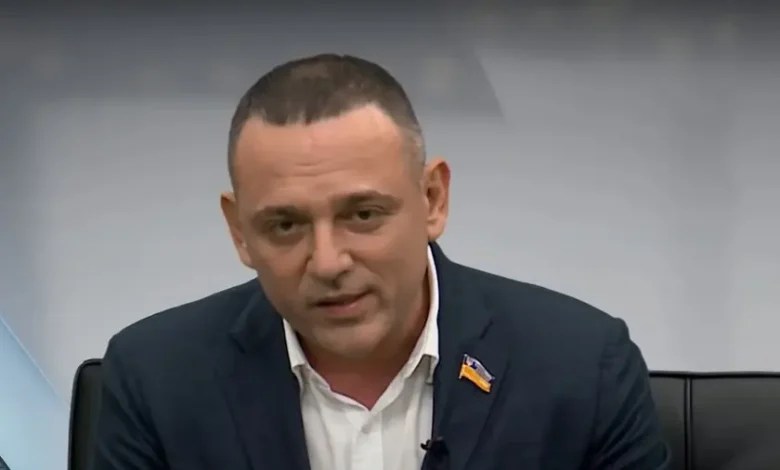
Mobilization has become one of the most tense topics in relations between citizens and the state, because every decision regarding the CCC directly affects trust in the authorities, police, and military structures. Therefore, any change in legislation must explain how it will reduce conflicts, eliminate corruption risks, and make procedures clearer for people who see videos of street arrests, complaints about CCC employees, and disputes over the so-called busification every day. The idea of giving the police the main role in delivering men to the CCC has drawn sharp criticism from MP Maksym Buzhansky, who believes that such an approach is dangerous for the law enforcement system and does not eliminate the main problems of the mobilization process.
The MP reacted to the published plans for the CCC reform, which were reported by Ukrainska Pravda with reference to sources in the Office of the President, the General Staff, and the Ministry of Defense. Among the proposed changes, according to journalists, it is stipulated that only police officers should deliver men from the street to the CCC, without the participation of military personnel.
Maksym Buzhanskiy criticized such an idea, stating that it actually transfers social tension to the police, although the problem of abuses in the CCC will not disappear after this, in his opinion.
“If we throw away the water and nonsense about digitalization, which digitalization is lacking where all the registers have been opened for the Ministry of Defense, the essence of the proposals is very simple. Let the police detain citizens who have not committed any crime and drag them to the military registration and enlistment office. For which the whole country will hate them immediately, and forever.
And then there will be another lottery, when for those who have money, a black exit from the CCC will again be open, and a person will be able to go their own way, having already gone to the CCC, as is happening now,” – says Maksym Buzhansky.
According to the deputy, the proposed approach does not solve the issue of corruption, because it leaves room for selective treatment of people after they have been delivered to the CCC. He draws attention to the fact that in such a model, the police will become a visible executor of unpopular actions, while further decisions within the system will remain a problem area.
Separately, Buzhansky was outraged that the current law on mobilization was not given due attention in the discussion of the reform. The deputy believes that before new changes, it is necessary to assess why the already adopted norms do not work as they should.
“It is a brilliant idea to make the police extreme and break the entire security system in the country, but it will not take off. I do not see any chances for this project either in the law enforcement committee or in the hall. And so, trying to PR the “reform project” by merging it with the UP instead of coming to the relevant committees and discussing it with the deputies is a deliberately failed idea.
And time is running out, and the task set by the president back in January to stop the merciless busification has still not been fulfilled and the trash continues. I repeat, we need to start with an analysis of the current law, but no,” – noted Maksym Buzhansky.
The UP material noted that some of the reforms could be regulated by Cabinet resolutions, so they may not need to be fully passed through parliament. This approach only intensifies the controversy surrounding the reform, because the issue of mobilization affects not only military needs, but also citizens’ trust in state institutions.
Against the background of this discussion, the position of the leadership of the National Police is indicative. In April 2026, the Chief of the National Police, Ivan Vyhivsky, stated that police officers should not be left alone in the mobilization process, because even participation in such actions negatively affects the image of the service. This coincides with Buzhansky’s main caveat: transferring the role of the main executor of street delivery to the police could cause a deeper conflict between citizens and law enforcement officers.


