WHO is preparing for the risk of nuclear disaster due to the situation in Iran: Politico

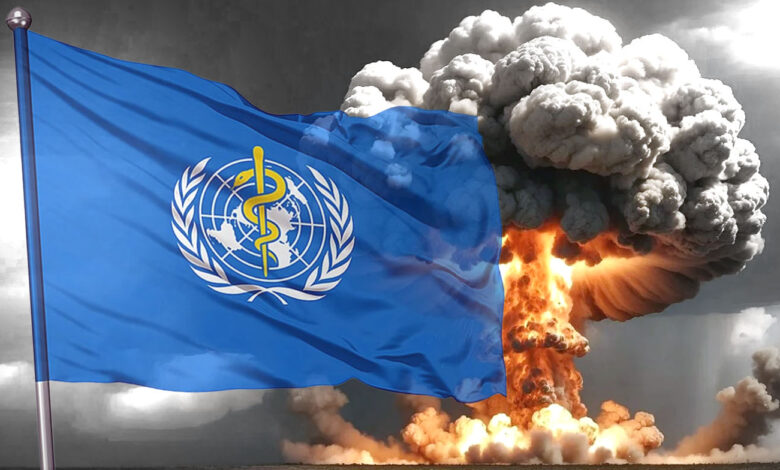
The World Health Organization is preparing for a possible nuclear incident in the event of further escalation of the war between Iran and the United States. The WHO Regional Director for the Eastern Mediterranean, Hanan Balkhi, said that UN staff are monitoring the consequences of the US-Israeli strikes on Iran’s nuclear facilities and remain vigilant for any potential threats. This is reported by Politico.
“The worst-case scenario is a nuclear incident, and that’s what worries us the most. No matter how much we prepare, nothing can prevent the damage that threatens… the region — and the global scale, if it eventually happens. The consequences will be felt for decades,” Balkhi said.
According to him, WHO is preparing for a nuclear incident in its broadest sense — from an attack on a nuclear facility to the possible use of nuclear weapons. He stressed that the organization is thinking about such a development, but hopes that it will be avoided.
Currently, according to WHO, no signs of radioactive contamination have been detected in the region. At the same time, Balkhi warned that in the event of an accident and exposure to dangerous levels of radiation, people could suffer serious lung and skin damage, as well as face an increased risk of cancer and mental illness.
Politico also recalls the consequences of major nuclear disasters and attacks of the past. The 1986 accident at the Chernobyl nuclear power plant officially caused about 30 deaths in the first months, and later led to a sharp increase in thyroid cancer cases and long-term psychological consequences for the population. After the US nuclear strikes on Hiroshima and Nagasaki, according to official figures, between 110,000 and 210,000 people died.
“I think those who read the history of previous incidents, whether intentional or accidental, understand perfectly well what we are talking about,” Balkhi added.
The WHO is already conducting briefings for staff on what to do in the event of a nuclear incident, as well as advising officials on public health risks and self-protection measures. Separately, the organization also drew attention to the consequences of strikes on Iranian oil facilities: the smoke that covered Tehran could cause a significant deterioration in the health of the population, in particular an increase in the number of respiratory diseases.
Meanwhile, The New York Times writes that US President Donald Trump has launched a war against Iran without explaining his strategy to either the American public or the international community. The publication notes that almost three weeks after the start of hostilities, Washington has no clear plan for either changing the Iranian regime or controlling Tehran’s nuclear materials, and there is no ready-made solution in the event of disruptions in oil supplies and a new blow to the global economy.
At the same time, The Guardian notes that the war could have been avoided. According to the publication, during the talks in Geneva, Tehran offered significant concessions on its nuclear program. The British Prime Minister’s National Security Advisor Jonathan Powell, who was present at the final stage of the negotiations, believes that these proposals were serious enough to prevent the situation from escalating to war.