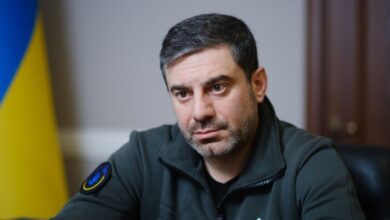
Almost 45 thousand appeals per year: what human rights violations did the Office of the Ombudsman record in the security and defense sector?

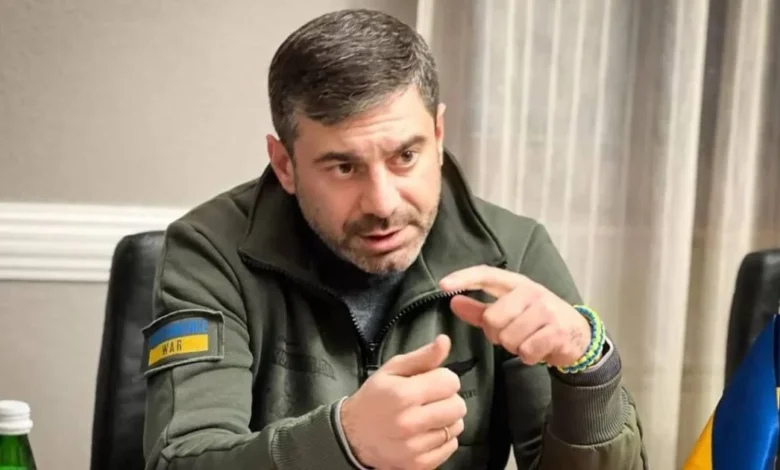
Human rights violations in Ukraine during the war concern military personnel, civilians, displaced persons and residents of temporarily occupied territories. Some of the complaints are related to captivity and return home, while others are related to loss of housing, documents, access to payments, medicine or education. In his annual report, the Ombudsman showed the scale of complaints, as well as the problems that remain the most pressing in the state system for protecting citizens’ rights.
The Verkhovna Rada Commissioner for Human Rights Dmytro Lubinets stated that, according to the results of last year, the Ombudsman’s Office received 44,783 complaints last year. As part of this work, 59 monitoring visits were conducted, which gives an idea of both the burden on the institution and the number of issues that require separate verification on the ground.
A separate place in this block is occupied by the topic of the return of Ukrainians home, since it is directly related to the rights of prisoners of war and civilians, and to the subsequent support of released people after their return. According to Lubinets, in 2025, 11 exchanges took place, as a result of which 3,435 people were released, including 3,180 military personnel and 255 civilians. In total, 8,669 people have returned to Ukraine since the beginning of the full-scale invasion, of which 445 are civilians. The Ombudsman’s Office employees, as the Commissioner noted, are among the first to meet the released people.
Along with security sector issues, the annual report outlines a large block of problems related to people affected by the war. As of the end of last year, according to the data provided, there were 4 million 619 thousand internally displaced persons in Ukraine, while another 8 million 488 thousand Ukrainians were abroad. Behind these figures are everyday difficulties related to housing, employment, medical care, education of children and access to basic administrative services.
In this regard, the Ombudsman received 6631 applications from internally displaced persons, 394 from residents of temporarily occupied territories and 137 from people who suffered as a result of armed aggression. To verify the conditions and circumstances complained about by the applicants, the Office conducted 2082 monitoring visits. A significant amount of this work concerned shelters, as 1066 facilities were inspected separately.
The published fragments of the report also contain a list of problems that the Ombudsman’s Office considers to be the most acute. Among them, the lack of a strategic state policy regarding internally displaced persons and citizens affected by the war was mentioned. Attention was also drawn to the lack of an administrative procedure and a regulatory approach to the use of documents issued in temporarily occupied territories, which causes people to face additional difficulties in confirming their identity, education, marital status, or other legally significant facts.
Another problematic area in the report is the lack of a comprehensive system of support for young people from temporarily occupied territories. This part concerns adaptation, access to education, documentation, and transition to a full-fledged life in communities controlled by Ukraine. Separately, the Ombudsman pointed to the limited access of victims to compensation mechanisms for destroyed or lost property, which remains one of the most painful topics for people who lost their homes, farms, or other property due to the war.