At the COP29 climate summit, Ukraine opposed the inclusion of Crimea in Russia’s report

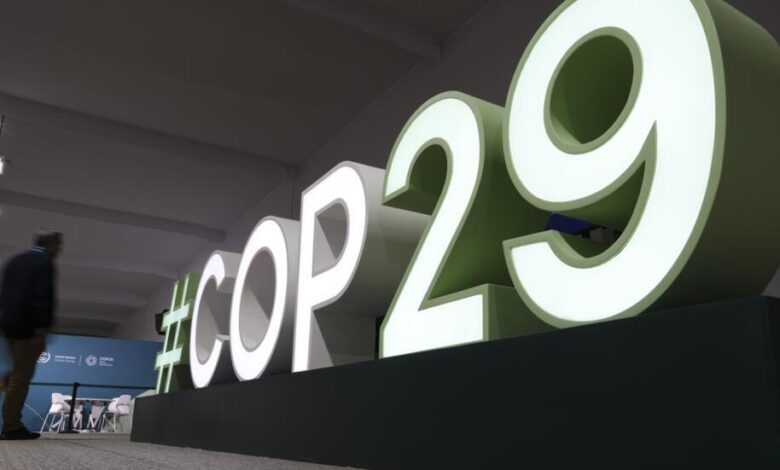
Ukraine is at the climate summit COP29 this week expressed a protest against the actions of Russia, which included the annexed Ukrainian territories in its report to the UN on greenhouse gas emissions. Ukrainian officials accused Russia of trying to use international climate platforms to legitimize the occupation.
The report submitted by Russia to the UN Framework Convention on Climate Change (UNFCCC) states that it cannot provide complete data on land use in the annexed territories of Donbass, Zaporizhzhia and Kherson Oblast. In addition, the report includes data from Crimea, which was annexed in 2014.
Ukraine stated that such actions of Russia are a violation of its sovereignty and international law.
“We see that Russia is trying to use international platforms to legitimize its occupation”, — emphasized the Deputy Minister of Ecology of Ukraine Olga Yukhymchuk.
During her speech at the summit, Minister of Ecology Svitlana Grynchuk noted that the inclusion of annexed territories by Russia in the reporting creates a risk of double accounting of emissions, which may harm the achievement of the goals of the Paris Agreement.
Christina Voight, a law professor at the University of Oslo, added that Russia’s actions violate the territories’ international status. She warned that Moscow could use these lands to obtain “carbon credits”, which would be an illegal appropriation of another state’s resources.
“This is not only a violation of sovereignty, but also a risky practice for climate markets”, Voight said.
Experts note that geopolitical tensions are increasingly influencing global climate negotiations.
“We live in a world where conflict permeates even the debate about the fight against climate change”, — said Nikki Reisch, director of the Center for International Environmental Law.
The UN has not yet commented on the situation, but Ukraine called on the organization to intervene to prevent undermining international efforts to combat climate change.