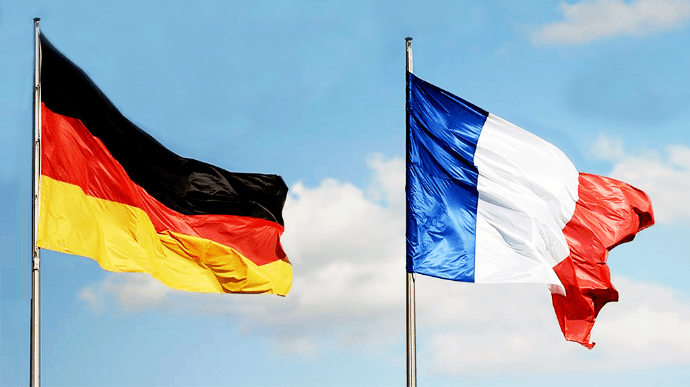
According to documents obtained by the Financial Times, Germany and France have taken the initiative to provide Ukraine with certain preferences for partial accession to the European Union. It is assumed that such a format will be “symbolic” in nature, since it will not give Kyiv the right to vote and access to the general budget of the community until the official full accession.
The publication notes that both countries did not support the current EU strategy aimed at abandoning the “slow and bureaucratic” path of Ukraine’s integration, instead presenting their own visions of the process.
The German proposal provides for the introduction of the status of “associate member”. This format will allow Ukrainian representatives to attend meetings of heads of state and European ministers, but without the ability to influence decision-making through voting and without “automatic” funding from the EU budget. Berlin believes that such a status will have “symbolic power through the name”, and it can be introduced by a quick decision of the heads of state, bypassing lengthy bureaucratic stages.
In turn, France is proposing a model of “integrated state status”. This plan provides that Ukraine’s involvement in the common agricultural policy and receiving funds from European funds will occur only after the country becomes a full member of the bloc. The main difference in the approaches of Paris and Berlin is the definition of the terms when Ukraine will be able to officially be called an EU member and acquire the right to vote.
Deputy Prime Minister of Ukraine for European Integration Taras Kachka, in a comment to the FT, confirmed that Kyiv is in dialogue with France, Germany and other partners regarding accession, noting that “there are other plans”.
At the same time, another Ukrainian official stressed Kyiv’s concerns about any format for partial integration. He said there was a risk that society would view such “vague” terms as “a poor substitute for genuine accession.”