China’s Prime Minister vows to ease trade imbalance amid record exports

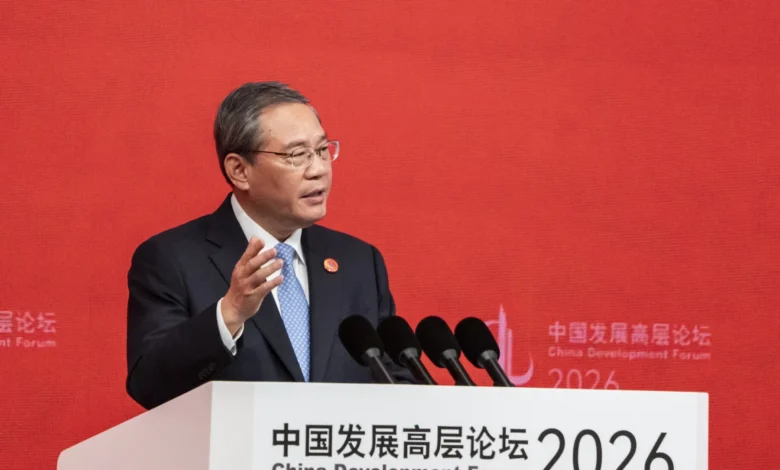
Chinese Premier Li Keqiang said Beijing is ready to respond to concerns from trading partners about its large trade surplus and work towards a more balanced development of foreign economic relations. Speaking at the China Development Forum in Beijing, he stressed that the government wants to maintain stable ties with other countries amid growing tensions over Chinese exports. This is reported by Bloomberg.
According to Li, China plans to continue opening its market to foreign businesses, primarily in the services sector. Beijing also intends to increase imports of medical and health products, digital solutions and low-carbon services to create more opportunities for foreign companies.
The statement came against the backdrop of China’s record trade surplus, which reached $1.2 trillion last year. In the first two months of 2026, the country’s exports continued to grow, which increased anxiety in many countries about the pressure on their industry.
The trade issue also remains sensitive for China’s relations with the West. After a large-scale tariff war between the US and the PRC in 2025, the parties took a break thanks to a year-long truce agreed by Donald Trump and Xi Jinping in October. Calls for a tougher response to the imbalance in trade with China are also increasingly heard in Europe.
The Chinese authorities have already begun to take some measures to reduce tensions, in particular, reducing export tax benefits for hundreds of products, including solar panels and batteries. At the same time, China itself faces internal problems: weak consumption, excess production capacity and fierce price competition in some industries.
People’s Bank of China Governor Pan Gongsheng defended the country’s surplus at the same forum, saying it had contributed to global economic growth and financial stability. Instead, the IMF believes that Beijing should more actively stimulate domestic demand, increase household incomes, and reduce the economy’s dependence on industrial subsidies and infrastructure spending.
A separate risk for the Chinese economy remains a war with Iran. Rising fuel and raw material costs could further hit manufacturers’ profitability.
At the same time, China recorded its lowest annual economic growth rate since 1991. Against this backdrop, Beijing is stepping up steps to support the economy, and government spending has made its fastest start since 2022.