
Denmark revises residence rules for some Ukrainian refugees: criteria, restrictions and consequences

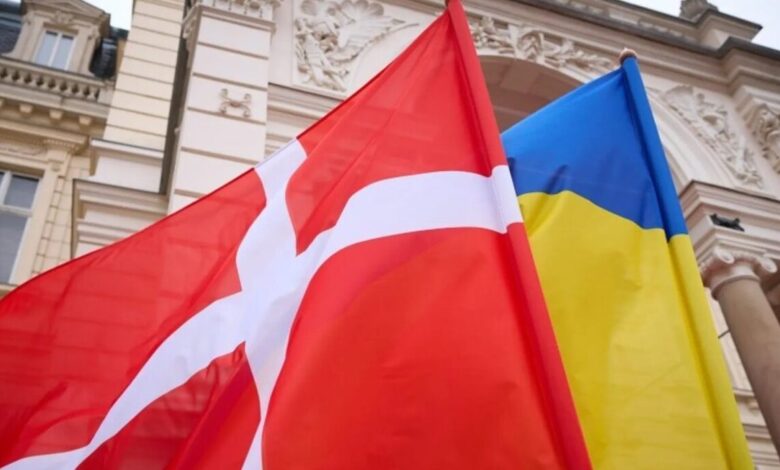
The Danish government has announced its intention to change the conditions for granting residence permits to certain categories of Ukrainian refugees. The initiative concerns, in particular, men liable for military service and residents of regions of Ukraine considered less affected by the war. The aim of the changes is to adjust the national temporary protection system in accordance with the current security situation and Ukrainian mobilization rules, while they will not affect those who have already received refugee status or temporary protection. This was reported by the Danish Ministry of Foreign Affairs and Integration.
According to estimates by the Danish authorities, about 45 thousand Ukrainian immigrants already live in the country’s municipalities, which creates the need to clarify the criteria for new applicants. The changes are aimed at ensuring that the right to residence is granted to people for whom staying in Denmark is socially necessary due to a security threat or limited ability to remain in Ukraine, rather than those who formally meet the age and territorial criteria but are subject to Ukrainian mobilization rules.
Territorial and age restrictions
The draft amendments stipulate that residence permits will not be granted to Ukrainians from regions that the Danish authorities consider safer. This list includes Cherkasy, Chernivtsi, Ivano-Frankivsk, Khmelnytskyi, Kirovohrad, Kyiv regions (excluding the city of Kyiv), Lviv, Poltava, Rivne, Ternopil, Vinnytsia, Volyn, Zakarpattia and Zhytomyr regions. Such a territorial restriction means that residents of these regions will not be able to obtain a residence permit under a special law for Ukrainians, even if they apply for temporary protection in Denmark.
As for age, it is proposed to refuse to grant a permit to men aged 23 to 60, with the exception of those who have an official exemption from military service in Ukraine. Men under the age of 23 will be granted a permit, and later it can only be extended if there is confirmation that they are not subject to mobilization. Such age and territorial restrictions are aimed at harmonizing Danish policy with Ukrainian mobilization rules, in particular regarding the protection of persons who are temporarily unable to participate in military operations.
Social integration and the obligation to work
Denmark proposes not only to limit the right to residence, but also to change the conditions of social support for Ukrainian IDPs. It is envisaged that those who receive cash assistance will be obliged to work, which is an attempt to increase the economic independence of IDPs and at the same time reduce the burden on municipal budgets. The government also plans to make changes to the education of children of Ukrainian refugees in order to integrate them into the Danish education system and ensure equal opportunities for education, regardless of their region of origin.
Similar measures are being implemented in Norway, where restrictions on temporary collective protection apply to men aged 18 to 60, and also apply only to new applicants, not to those who have already received protection status. Such initiatives indicate a tendency in European countries to narrow the circle of persons who can receive temporary protection and focus attention on those who are most at risk or in need of protection given the circumstances in Ukraine.
Despite changes in national legislation, Denmark remains a member of the European Union, which provides for the provision of temporary protection to Ukrainians on the basis of an EU directive. This means that any national changes must comply with the EU’s minimum standards for safety and social support for refugees. The new rules will only apply to new applicants and should not restrict those who have already received protection, ensuring legal and social stability for existing migrants.
Implications for Ukrainians and the response
The restrictions could significantly affect Ukrainians’ decisions to move to Denmark. Men who are subject to mobilization or come from “safe” regions find themselves outside the legal framework of temporary protection, which may force them to seek alternative countries to move to or remain in Ukraine. At the same time, for those who have already received permission, the new rules do not affect legal status, but create a sense of inequality in approaches to new applicants.
The planned changes provoke a public debate on the balance between protecting refugees and respecting the principles of mobilization in the country of origin, and also demonstrate the complexity of integrating a large number of migrants within the limited resources of municipalities.


