Deputy Head of the National Police Andriy Nebytov named the risk that may arise due to the mass mobilization of police officers

The issue of police participation in the war remains sensitive, as the law enforcement system simultaneously performs combat missions, works in frontline regions, and must ensure order in cities and communities where people seek help every day, record crimes, and expect a quick response to threats.
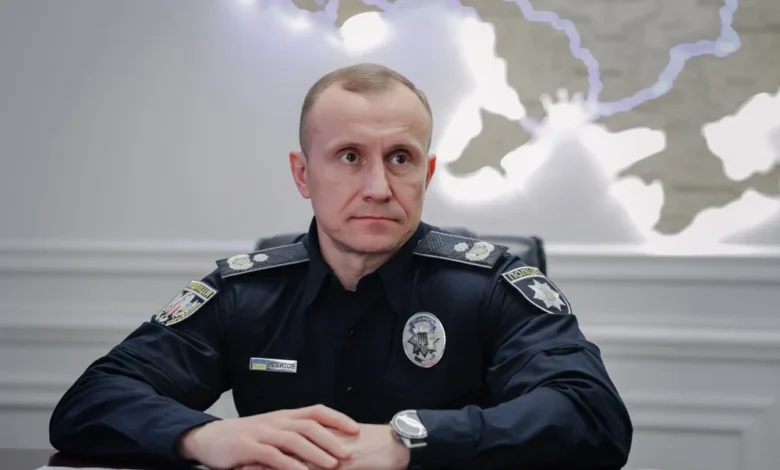
Deputy Head of the National Police Andriy Nebytov explained that a significant part of law enforcement officers is already involved in war-related tasks.
“Today, almost 9 thousand police officers perform combat missions directly on the front line. Another 34 thousand serve in frontline regions,” Nebytov noted.
Such figures show that the police are not on the sidelines of the country’s defense. Some of the personnel work in combat units, others maintain order in regions where shelling, evacuation, destruction of infrastructure, sabotage risks and war crimes create an additional burden on law enforcement officers.
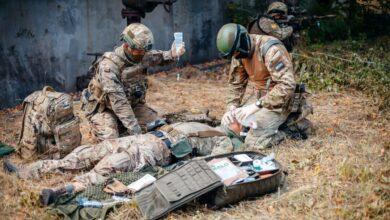
According to Andriy Nebytov, the police officers who went to the front serve in the “Lyut” brigade, created to perform tasks in the most difficult areas of combat operations. Law enforcement officers also fight in the “Khyzhak” brigade and rifle battalions, where they perform tasks together with military units of the Armed Forces of Ukraine. The police officers participated in the defense of Bakhmut, Avdiivka and Klishchiivka in the Donetsk region, as well as Malaya Tokmachka, Hulyaipol in Zaporizhia and other settlements. Such participation means that part of the National Police system has long been operating in conditions that go far beyond the boundaries of ordinary law enforcement service.
As Nebytov notes, the National Police faces a personnel shortage, which is exacerbated by the fact that combat units are formed, replenished, and rotated at the expense of police personnel. Mobilized civilians do not get into such units, so each additional replenishment of front-line structures means a decrease in the number of people in regular police units.
The Deputy Head of the National Police emphasized that the training of a criminal police operative or investigator requires months of training, and in some cases, years. Because of this, it is impossible to quickly replace experienced specialists, especially in services that investigate crimes, work with evidence, respond to challenges, and maintain security in communities. The key risk of mass mobilization of law enforcement officers is related to the state of security within the country.
“In my opinion, mass mobilization of law enforcement officers will lead to a surge in crime. When patrols become rarer and responses to challenges are delayed, crime feels the pinch,” Nebytov believes.
This position emphasizes practical consequences for cities and communities. If patrols become fewer, investigative teams are overloaded, and response times increase, the criminal environment quickly takes advantage of the gaps. In wartime, this problem is of particular importance, because the police simultaneously deal with domestic crimes, collaboration cases, fraud, sabotage risks, and the consequences of Russian attacks.
The Deputy Head of the National Police noted that the National Police system relies on specialists who cannot be trained in a few weeks. Operatives, investigators, patrol officers, explosives technicians, forensic scientists, and front-line unit employees perform different tasks, but they are all needed for daily security.
Mass withdrawal of personnel from the police could weaken the areas that citizens see in everyday life: responding to challenges, solving crimes, maintaining order, working with victims, documenting the consequences of shelling, and controlling frontline areas. Therefore, Nebytov’s position boils down to the need to maintain a balance between the participation of law enforcement officers in combat operations and the ability of the police to perform their basic functions in the rear.