
Dutch military intelligence releases report on threat of Russian attack on NATO countries

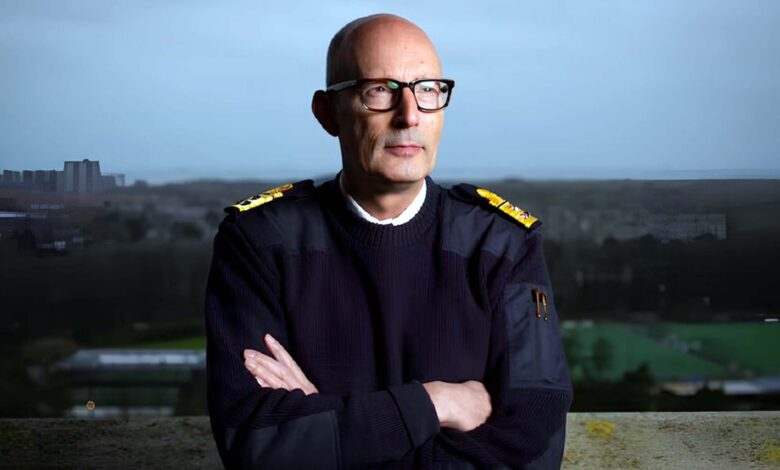
The Dutch Military Intelligence and Security Service has published its annual report for 2025, which discusses the Russian Federation’s systematic preparation for a potential clash with the armed forces of NATO countries.
According to Dutch experts, after the end of active hostilities against Ukraine, Moscow will need about one year to accumulate sufficient resources to resolve the regional conflict with the Alliance.
Intelligence experts believe that the Kremlin’s strategic goal is not to achieve a military victory over NATO, but to provoke a political split within the bloc due to limited territorial gains. To implement this plan, Russia may use tools of nuclear blackmail and hybrid influence aimed at destabilizing the international order and changing the security architecture in Europe.
“Russia is making concrete preparations for a possible clash with NATO”, — the document of the Military Intelligence and Security Service of the Netherlands emphasizes.
The report pays special attention to Russia’s use of the latest technologies in intelligence and destabilization operations. In particular, it refers to the active use of artificial intelligence, quantum computing and biotechnology to pressure other states. Such tools are used to spread fear and manipulate the decision-making process in Western countries.
“Alliance countries are Russia’s next target,” NATO Secretary General Mark Rutte emphasized during a speech in Berlin.
Analysts also point to the degradation of traditional communication channels and arms control mechanisms, which significantly increases the risks of unforeseen escalation. The strategic calculations of the Russian leadership are also influenced by the dynamics of US security policy, which creates additional uncertainty about the balance of benefits and costs for Moscow in the event of direct aggression.
A full-scale war against Ukraine remains a central element of Russia’s long-term strategy aimed at undermining the world order. Further strengthening of the defense potential of European countries and the unity of the Alliance are considered by intelligence as key factors in deterring future threats.


