
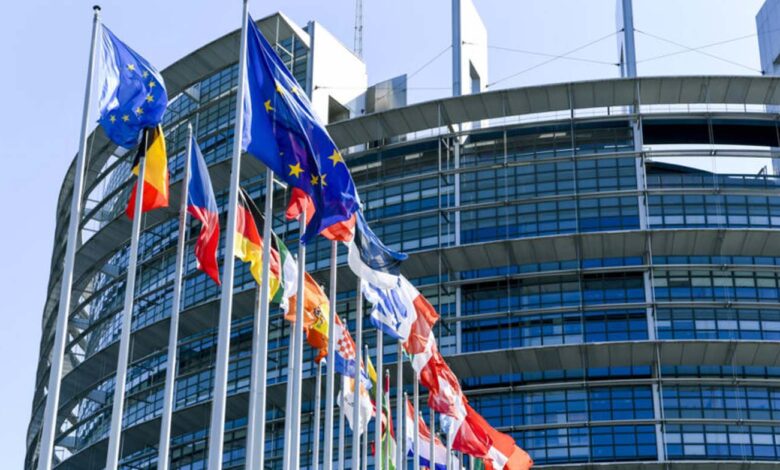
The European Parliament adopted updated rules that form a single framework for preventing and combating corruption in all EU member states. The new directive aims to harmonise criminal law and eliminate differences between national legal systems.
The document establishes common definitions for the entire bloc for offences such as bribery, embezzlement, obstruction of justice and illicit enrichment.
The legislative changes are aimed at ensuring that maximum sanctions for corruption offences under national law are not too lenient. This is particularly important for the investigation of transnational cases, where perpetrators could take advantage of differences in the laws of different states. At the same time, each country retains the right to set even harsher penalties at its own level.
“The adoption of this directive will close the existing loopholes that have been used by offenders to evade responsibility for years,” the rapporteur on the case emphasized.
According to the new requirements, states are obliged to develop and annually update national anti-corruption strategies. Representatives of civil society must be involved in this process. The document also provides for the creation of reliable safeguards to avoid conflicts of interest and ensure full transparency of political party financing.
“We are creating conditions under which cooperation between national authorities and institutions, such as Europol or the EU Prosecutor’s Office, will reach a qualitatively new level,” he emphasized.
A separate block of changes concerns strengthening cooperation with the European Anti-Fraud Office and Eurojust. During the vote, 581 deputies supported the initiative, which indicates a high level of consensus within the legislative body on the need for systemic reforms in this area.
Following formal approval by the EU Council, the directive will enter into force twenty days later. Member States will have two years to implement the main provisions into their national legislation, with a transitional period of up to three years for certain points.


