Genetic experiments: the future of humanity or the threat of reformatting on the verge of morality

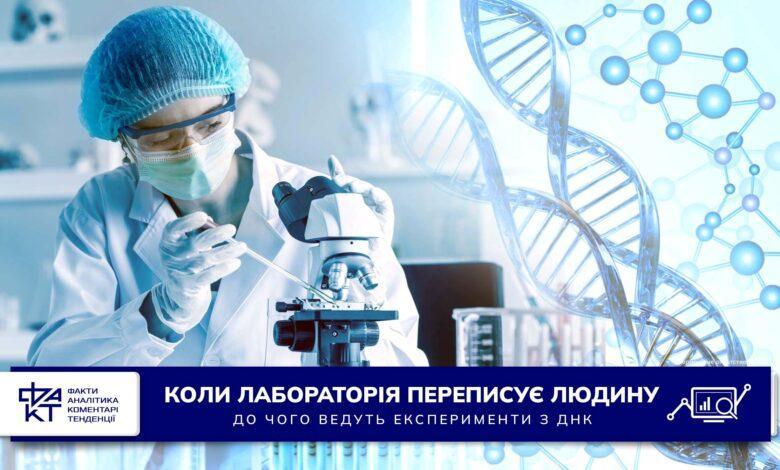
World science is increasingly resorting to intervention in the genetic code of animals and people. In laboratories, mice are grown with human cells, embryos are modified to avoid hereditary diseases, and DNA models of new species are created. What seemed like a fantasy a few decades ago has become part of everyday research today. Genetic editing opens up unprecedented opportunities for medicine and biotechnology, but at the same time blurs the boundaries of ethics. In striving to break the nature of disease, science risks breaking the basic principles on which the idea of a person, his body and rights rests.
The genome under the microscope: creating human DNA “from scratch”
Genetic research on animals and humans has become one of the most dynamic areas of modern biology. They cover a wide range of practices, from the creation of laboratory models for disease research to the targeted intervention of human embryonic DNA. The first wave of human experiments began back in 2002, when French doctors used genetically modified viruses to treat SCID, a severe immunodeficiency disease. Most of the children recovered their immune functions, but two of the eleven developed leukemia due to uncontrolled integration of viral DNA. This experience was the first serious warning about the risks of gene therapy.
Company eGenesis transplanted genetically modified macaque pig kidney. Thanks to CRISPR, the organ functioned for more than two years without rejection. This experiment served as an impetus and now in 2025 it is planned to move to clinical trials on humans. If the technology proves viable, it will be a breakthrough in transplantation, where chronic organ shortage has long been a global problem.
Scientists have already learned to get by with cell engineering and have proven the possibility of what nature considers unacceptable. An international team of researchers led by biologist Juan Carlos Izpisua succeeded to create an embryo in which human and chimpanzee tissues are combined. Scientists “embedded” human pluripotent stem cells in a primate embryo that was developing in the laboratory. Within two weeks, this hybrid had developed enough to prove the very principle that interspecies fusion at the cellular level is possible.
However, the goal of this experiment was not to create mythical “half-humans”, but to grow donor organs that are as compatible as possible with the human body in the future. The idea is to introduce human cells into an animal embryo at an early stage, so that it will develop into a human heart, liver or other organs suitable for transplantation. But as soon as the experiment reached the limit beyond which the difficult ethical territory begins, the possibility of the formation of nerve tissue related to consciousness or the feeling of pain, the scientists stopped the development of the embryo. Formally, the border between man and animal is not crossed, but it is shown that such a border is not biological, but purely technical and ethical.
Interbreeding between humans and chimpanzees is impossible under natural conditions: genetic differences and reproductive barriers prevent this. In the laboratory, these obstacles can be removed. This opens perspectives in medicine, but at the same time requires clear moral guidelines and public control. Scientists today have in their hands technologies that yesterday seemed like scenarios from science fiction. The question is how and where humanity will set the limit of what is permissible.
Already in Cambridge started scientific project SynHG, which aims to create human DNA “from scratch”. This is not simple editing, but the literal construction of chromosome fragments from chemical blocks. Before this, such research was strictly prohibited, because the fears of the revival of “designer children” or unpredictable changes in the next generations were too great. However, the Wellcome Trust has allocated an initial £10m for the five-year programme, citing rapid access to new therapies for hereditary diseases. The main participant of the project, Julian Sale, calls it a “giant leap” in biology. Scientists will be able to build disease-resistant cells that will replace damaged tissues, be it the liver or the heart. We observe how scientists are getting closer with each step to the ability not only to “read” the genome, but to actively “write” it.
According to specialists, this process will begin with the synthesis of chromosomes, which are test pieces of DNA inserted into cells like skin. Then it will be tested how they function and interact with the internal environment of the cell. Such tools could lead to creating immunity to viruses, strengthening organs, or even synthetic mitochondria to prevent inherited diseases. However, there will be no inheritance of this gene, because all work is limited to test tubes and petri dishes.
In parallel with the laboratories, sociological research is unfolding: Professor Joy Zhang from Kent organizes surveys and discussions among experts and the general public to understand people’s expectations and fears. Despite the medical prospects, critics are concerned that even the most noble ideas could be used to create “genetically enhanced” people or bioweapons. Scientists are already comparing a gene of synthetic origin to a genie released from a bottle, because this process is almost impossible to stop. But it is quite clear that synthetic biology will develop anyway. It is important to ensure appropriate regulation so that it does not fall into the hands of unscrupulous projects. Experts also note that investing in open technologies will avoid monopoly and restrictions. However, it is important not to forget about environmental risks, because the created bacteria can accidentally enter the environment and cause unpredictable consequences.
It is quite clear that this project is a real challenge and the first step towards a technology that gives almost unlimited control over the human genome. Medical prospects can be truly revolutionary: children without hereditary diseases, organs that repair themselves, protected cells. But new fears are also emerging: from bioweapons to the creation of “improved” people.
It should be noted that human studies are still strictly regulated, but are already actively underway in the form of hemotherapy, in particular for the treatment of hereditary immunodeficiencies, beta-thalassemia and some forms of cancer. In addition, work on editing human embryos is ongoing. Scandalous case The year 2018 in China, when twins with an edited genome were born, became a point of no return for bioethical discussions. At that time, the Chinese authorities recognized the experiment with editing the DNA of human embryos, carried out in the country, as illegal.
According to the preliminary findings of the official investigation, the researcher He Jiankui, who publicly announced the birth of the world’s first children with a modified genome, used a false permission from the ethics committee. The authorities noted that these actions were carried out in the interests of personal gain and self-promotion. The scientist then announced that two twin girls had been born with genetic changes that, he said, should make them resistant to HIV. Official structures confirmed the fact of the birth of twins, and also discovered another case of pregnancy among the participants of the experiment.
The researcher and his co-conspirators were brought to justice, and the specific legal qualifications of their actions have not yet been disclosed. Then, in an open appeal, more than a hundred Chinese scientists condemned the use of genetic technology to modify human embryos, stressing that it is premature, unjustified from a scientific point of view, and threatens the authority of biomedical science. Although there is no direct ban on embryonic DNA editing in China, current ethical regulations clearly prohibit the implantation of altered embryos in IVF programs.
The central technology in this field remains CRISPR/Cas9 (a tool that allows you to cut and replace DNA fragments with high precision – ed.). In addition to it, other systems are also used, such as TALEN or ZFN, although it was CRISPR that ensured the large-scale introduction of gene editing into applied research. For example, Chinese scientists are the first in the world applied this technology for gene editing of adult cells. A revolutionary experiment was performed on a patient diagnosed with metastatic non-small cell lung cancer.
He was injected with T-lymphocytes, previously changed at the genetic level. The essence of the procedure was to remove the gene responsible for the synthesis of the PD-1 protein (a key inhibitor of the immune response – ed.). Normally, PD-1 “inhibits” T-cells, reducing their activity. This gives the tumor an advantage: it avoids destruction by the immune system. Conventional cancer therapy uses antibodies to block PD-1, but the response to these drugs is often unpredictable.
Editing with CRISPR has the potential to provide a more stable and targeted response: T cells after correction should attack the tumor without the influence of inhibitory signals. The first injection of genetically modified cells was uneventful, and the patient was scheduled for a repeat dose. CRISPR/Cas9, taken from the immune system of bacteria, makes it possible to precisely delete or change individual sections of DNA. It has already become one of the key tools of modern biotechnology.
While science is developing in leaps and bounds, society and ethics must go hand in hand. Institutional regulation, open dialogue and transparency should become the conditions without which the transformation of fundamental scientific achievements into a real benefit for humanity is simply impossible.
Edited animals: the biotech zoo of the future
In the animal field, genome modification has long served as a basis for studying pathologies, finding therapies, and producing biological materials. For example, in 2024, the biotechnology company Colossal created mice with fragments of mammoth DNA. The goal was not only to test the limits of interspecific changes, but also to prepare technologies for the possible revival of extinct species. Similarly, the creation of pigs with deleted genes that trigger the immune response in humans has been a step towards the production of organs for xenotransplantation.
DNA editing technologies have already led to the creation of dozens of transgenic animals with new or altered properties. Some of them are used as medical models, others as platforms for the production of biomaterials or for experiments with the return of extinct species. A review of key cases demonstrates how far the application of genetic engineering has come in practice.
In the company’s laboratories Colossal Biosciences mice already wear “coats” of thick golden fur, and their metabolism resembles arctic inhabitants. Parts of the mammoth genome were inserted into these bodies not just for spectacular effect, but as a test for assembling complex hereditary structures. This is not a fantasy, but a kind of reconnaissance on the ground for the future reincarnation of extinct species.
Colossal plans were not limited to mice. The team also created live hybrids of so-called dire wolves, bred on the basis of ancient DNA. Puppies were carried by surrogate dogs. The birth of three viable animals confirmed: a deep intervention in the excavated genetic past has become a reality.
A modern farm no longer looks like a traditional haystack. Spider genes have been inserted into goats to extract silk-like protein from their milk, which is much lighter, stronger and ideal for medicine. Enviropig pigs no longer excrete excess phosphorus from the body, because they digest it much more efficiently, thereby reducing the environmental burden of farms. Hornless cows, in which the gene responsible for horns has been deleted, are less likely to injure each other and farmers. And there are animals that produce proteins similar to the components of human milk, which is a promising alternative for baby nutrition or immune therapy.
In 2009, the first dog appeared, named Rappy, a poodle with a fluorescent jellyfish gene that glowed like a garland. In 2015, Chinese biologists doubled the muscle mass of beads by turning off the MSTN gene. And in the laboratories of the USA and Japan, cats that also glow have been bred. And all this is not for the sake of spectacle, but as a model for studying the feline version of HIV. Prospective antiviral drugs are already being tested on these animals.
In the early 2000s, scientists cloned several rare or already extinct species: gaura, bantenga, as well as multifunctional organisms in which the genomes of sheep and llamas were combined to produce specific proteins. It was not a massive breakthrough, but it demonstrated the possibility of point-wise return of the lost gene pool.
Genetically modified macaques are actively used for neurology research. In 2014–2015, CRISPR was used to create monkeys with disorders similar to Duchenne muscular dystrophy. Later, macaques appeared with mutations that cause symptoms of autism (SHANK3), Parkinson’s disease (PINK1, A53T) and immunodeficiencies. This makes it possible to study pathologies that are not available for research in other animals.
Experiments with DNA have even touched insects – in 2024, British scientists used gene drive technology based on CRISPR to edit mosquitoes. After seven generations, the population was completely destroyed. Genes that blocked reproduction spread extremely quickly, leading to the so-called biological “self-destruction”. This experience is already being studied in the context of malaria control.
Therapeutic potential, prospects and abuse
Genetic interventions have opened new horizons in the treatment of diseases that until recently were considered incurable. Gene therapy has made it possible for the first time to stabilize or even cure patients with rare genetic disorders. In some cases, a complete recovery of the functions of organs or systems affected by the disease was observed.
DNA editing technologies also open perspectives in the field of geroprotection (slowing down biological aging – ed.). Scientists are studying how influencing the expression of certain genes can affect the body’s regenerative abilities, resistance to viruses or oncopathologies.
Another area of interest to scientists is reducing the risk of transmission of hereditary diseases. In theory, editing embryos could eliminate mutations that cause serious diseases before a child is born. This is especially important in cases where both parents are carriers of recessive mutations.
However, along with the therapeutic potential, new challenges arise, primarily of an ethical nature. Interfering with embryonic DNA means changing the hereditary information transmitted to subsequent generations. This raises the question of long-term consequences and limits of permissible exposure.
In addition to ethics, there is a risk of social polarization. Access to technologies such as genome editing will depend on economic resources, which threatens to introduce a new form of inequality—genetic inequality. Some will have the opportunity to correct or improve their own genes, others will remain beyond the limits of technological progress.
There are also technical dangers. CRISPR, despite its accuracy, does not guarantee the absence of “side effects”. Mutations outside the target gene or unplanned reactions can cause new pathologies. Animal studies have already documented similar cases, particularly with impaired development or behavioral changes.
The so-called “designer genetics” remains a separate issue. Modifications that are not related to treatment, but aimed at changing appearance, intelligence or other characteristics, cause criticism even among scientists. Similar approaches can stimulate the commercialization of the human genome.
In different countries, the legislative framework responds to the development of genetic technologies at different speeds. In most countries, intervention in the human embryo is prohibited or strictly limited. For example, the EU prohibits any editing of embryos for reproductive purposes. In the US, only somatic gene therapy is permitted, while embryo experiments are permitted only as part of research and without implantation. In China, where a scandalous embryo-editing experiment has already taken place, legislation has been strengthened, but the control system remains less transparent. Israel and Great Britain allow certain forms of gene therapy, under the strict supervision of ethics commissions.
As we can see, public opinion is far from ambiguous. Part of the public sees genetic interventions as a way to improve the quality of life, while others see it as a threat to the natural order. Religious organizations, especially in Catholic and Muslim countries, are generally against interfering with human heredity. At the same time, a significant part of the scientific environment calls for a balanced, controlled use of such technologies.
However, it remains clear that genetic editing is one of the most powerful technologies of the 21st century. It not only adds to the arsenal of modern science, but changes the very paradigm of life, health and reproduction. Its potential to treat disease and improve quality of life is impressive, but it also raises profound ethical, social, and legal dilemmas. If humanity does not draw a line today, tomorrow it may cross the point of biological no return. Genetic experiments already go beyond the boundaries of medicine: they interfere with the very basis of evolution, rewrite selection mechanisms, and break down natural barriers between species. If control over this process is lost, humanity expects a world where mutations become part of the technological market, and new organisms are an unpredictable product of the laboratory race.
What will happen when not control and regulation, but the market will decide which DNA is considered desirable? In the case of uncontrolled research, humanity will find itself in a reality where the very idea of the norm will disappear, and new variants of man will appear not as a result of evolution, but by order. And the first thing to disappear in this new biological landscape will be succession, because genetic lines will be broken, replaced by artificially constructed branches. In addition, humanity will face new biological hierarchies that will not be formed naturally, but through access to editing. The genome will cease to be random and hereditary, and will be a controlled product formed according to instructions, depending on the interests of medical corporations, investors and states.
This means that already in the second generation in one society there will be different groups of people with fundamentally different physiological capabilities, the level of protection against diseases and even neural sensitivity. Genetic advantages can become entrenched in the same way that status, capital or a privileged passport once did. And while it all started as therapy, at the level of embryos, the line between treatment and construction blurs very quickly. That is why uncontrolled DNA research is not a local risk, but a threat of reformatting humanity with all the unpredictable biological, social and political consequences.