
How to properly use proteins in the diet – useful tips and recommendations
The modern approach to nutrition involves not only the use of various food products, but also taking into account their composition and correct use in the diet.

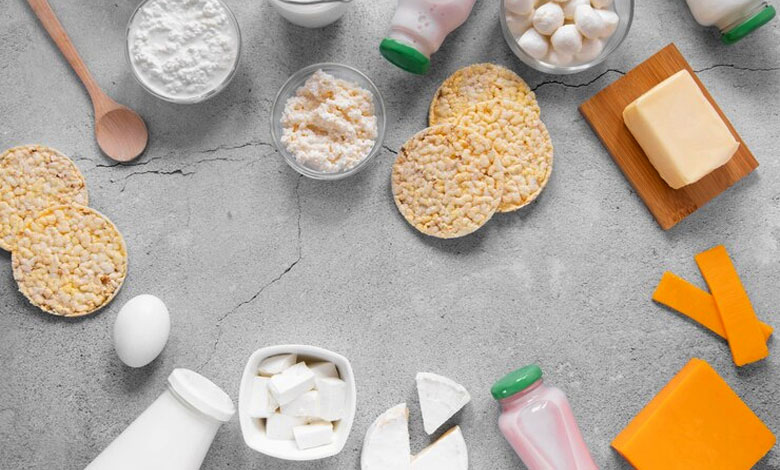
Proteins, which play an important role in the functioning of the body, deserve special attention. Eating proteins in appropriate amounts and in the right combination with other food components is an important element of a balanced diet.
The rational use of proteins consists not only in taking into account their quantity, but also in choosing their sources. The most useful sources of proteins are meat, fish, dairy products, eggs, peas, soy and other plant products. It is important to take into account the individual characteristics of the body, as well as activity and physical activity, in order to correctly calculate the required amount of proteins in the diet.
The use of proteins in the diet should contribute not only to the saturation of the body with the necessary amino acids, but also to maintain the optimal level of energy and muscle mass. To achieve this goal, it is worth dividing the use of proteins into different meals during the day, taking into account the protein content of different products. In addition, it is worth paying attention to the method of cooking, since improper cooking can lead to the loss of beneficial properties of proteins.
The role of proteins in the diet
The rational use of proteins in the diet is an important aspect of correct food consumption. Proteins are indispensable building materials for the body and play an important role in many body functions.
Consuming a sufficient amount of proteins is necessary to ensure the healthy functioning of the body. Proteins are responsible for providing building material for cells, tissues and organs, and also participate in the regulation of biochemical processes.
The correct use of proteins in the diet consists of a combination of different sources of proteins, such as meat, fish, dairy products, eggs, legumes, nuts and seeds. A variety of protein sources helps to provide the body with all the necessary amino acids that are part of proteins.
| Source of proteins | Utility |
| Meat and fish | Rich sources of high-quality proteins and iron |
| Dairy products | Contains calcium and high-quality proteins |
| Eggs | Contains all necessary amino acids and vitamins |
| Legumes, nuts and seeds | Sources of vegetable proteins and unsaturated fats |
The consumption of proteins in the diet should be distributed throughout the day to ensure constant access of the body to the necessary amount of proteins. It is recommended to consume protein products at each meal, ensuring a balance between animal and vegetable sources of proteins.
The general idea of the correct use of proteins in the diet consists in a reasonable combination of different sources of proteins and the distribution of their consumption throughout the day. This helps to provide the body with all the necessary amino acids and support a healthy state of the body.
The importance of proteins for the body
Food is one of the main sources of energy for our body, but it also plays an important role in providing all the necessary substances for the normal functioning of organs and systems. Especially important are proteins, which are the building material for cells, hormones and enzymes, and also participate in many biochemical processes in the body.
The use of proteins in the correct diet is an important step towards providing our body with the necessary amount and quality of proteins. The rational use of proteins in food helps to maintain an optimal level of muscle mass, contributes to the normalization of metabolism and supports the health of the skin, hair and nails.
When using proteins in the diet, you should pay attention to their sources. Protein can be obtained from various foods, such as meat, fish, eggs, dairy products, legumes, nuts and seeds. It is important to include a variety of protein sources in your diet to provide the body with all the necessary amino acids.
The optimal amount of protein in the diet depends on various factors, such as age, gender, physical activity and health status. However, the general recommendation is to get between 10% and 35% of your calories from protein. To more accurately determine the amount of protein you need, it is better to consult a specialist, such as a doctor or nutritionist.
- Use a variety of protein sources in your diet to provide your body with all the amino acids it needs.
- Consider your individual protein needs based on age, gender, physical activity and health status.
- Consult a specialist to get a more accurate recommendation on the amount of protein you need.
The main sources of proteins
In a correct and rational diet, the use of proteins is extremely important. Proteins are one of the main building materials for the body and are necessary to ensure its functioning. Consuming a sufficient amount of protein with food helps to meet the body’s needs for amino acids necessary for protein synthesis, regulation of metabolism and maintenance of a healthy state.
The main sources of proteins in our diet can be found in various products. One of the most common sources is meat, such as chicken, pork, beef, and fish. Other important sources are dairy products such as milk, yogurt, cheese, and eggs. Plant sources of protein include legumes such as soybeans, peas, hazelnuts, and nuts and seeds.
It is important to provide a variety of protein intake from different sources to obtain a full range of amino acids. It is recommended to include various types of meat, fish, dairy products and vegetable sources of proteins in your diet. You can also replace some protein sources with alternative ones, for example, use soy instead of meat or milk.
- Meat (chicken, pork, beef)
- fish
- Dairy products (milk, yogurt, cheese)
- Eggs
- Legumes (soybeans, peas, hazelnuts)
- Nuts and seeds
Do not forget about individual characteristics and dietary restrictions that can affect the choice of protein sources. Consult a nutritionist who can provide recommendations on how to use proteins in your diet.
The required amount of proteins per day
Successful and correct use of proteins is an important component of a healthy diet. Proteins are the building material for cells, muscles, bones and other body tissues. They also play the role of enzymes, hormones and antibodies necessary for the proper functioning of the body.
To ensure the optimal functioning of the body, it is necessary to consume a sufficient amount of proteins every day. Depending on age, gender and level of physical activity, the recommended amount of protein may vary.
| Age group | Recommended amount of proteins per day (g) |
| Children 1-3 years old | 13 |
| Children 4-8 years old | 19 |
| Children 9-13 years old | 34 |
| Adult men | 56 |
| Adult women | 46 |
| Pregnant women | 71 |
| Lactating women | 71 |
Foods rich in protein include meat, fish, eggs, dairy products, legumes, nuts and seeds. It is important to include a variety of protein sources in your daily diet to ensure you are getting all the essential amino acids.
Proper use of proteins in food will help preserve muscle mass, support bone health and provide energy for everyday physical activities. Consult a nutritionist or doctor for individual recommendations on the correct use of proteins in your diet.
Rational use of proteins in the diet: main principles
Proteins are an integral part of food and are necessary for the normal functioning of the body. The use of proteins in the diet should be rational and focused on meeting the body’s needs.
The use of proteins in the diet is an important component of a healthy lifestyle. Proteins are the building material for cells, tissues and organs, and are also responsible for many processes in the body.
For the correct use of proteins in the diet, it is necessary to pay attention to sources of proteins that contain a complete amino acid composition. These can be meat, fish, eggs, dairy products, soy and other vegetable sources of proteins.
It is worth taking into account the individual needs of the body for proteins, which can vary depending on age, gender, physical activity and other factors. Do not exceed the recommended daily protein intake, as this can lead to negative health consequences.
The rational use of proteins in the diet also includes a variety of protein sources to provide the body with all the necessary amino acids. It is recommended to combine protein sources of plant and animal origin to ensure a complete amino acid composition.
Conscious use of proteins in the diet will help provide the body with the necessary amount of proteins for its normal functioning. Remember the rational use of proteins and pay attention to their sources, taking into account the individual characteristics of the body.
Optimal distribution of proteins in the diet
In today’s world, a healthy diet is one of the most important aspects of ensuring our well-being. The correct use of proteins in the diet is a key factor in providing our body with the necessary nutrients. A diet rich in rational use of proteins can contribute to improving the general state of health and physical fitness.
Food containing proteins is one of the main sources of nutrients. Proteins are necessary for cell growth and regeneration, support of the immune system and regulation of body functions. The optimal distribution of proteins in the diet can ensure proper development of the body and maintenance of its functions.
| Type of food | Protein sources |
| Meat | Chicken, pork, beef |
| fish | Salmon, tuna, mackerel |
| Dairy products | Milk, cheese, yogurt |
| Eggs | Chicken eggs, quail eggs |
| Plant sources | Soybeans, peas, flower peas |
Adhering to a diet containing a variety of protein sources will contribute to the proper supply of the body with the necessary amino acids. It is recommended to include protein products in daily meals and distribute them evenly throughout the day. This approach to the use of proteins in the diet will help ensure optimal development of the body and preservation of its health.


